OpenAI Commits $750 Billion to Global AI Infrastructure, Kicking Off with Massive Georgia Data Center
OpenAI has significantly escalated its long-term infrastructure investment plans, now projecting a staggering $750 billion expenditure by 2030. This revised figure represents a 25% increase from earlier estimates and signals an intensified focus on building out the foundational computing power necessary for advanced artificial intelligence, particularly as its ambitious ‘Stargate’ data center project reportedly faces delays.
The initial phase of this monumental spending spree will center on ‘Project Camellia,’ a colossal $20 billion data center campus slated for development across 1,400 acres northwest of Savannah, Georgia. This facility is expected to draw a substantial 3.2 gigawatts of power from Georgia Power, the region’s utility provider, with generating capacity anticipated to become available between 2028 and 2032. OpenAI has committed to covering the full costs associated with the infrastructure and electric service for this new data center, aligning with a Georgia Public Service Commission rule adopted last year that prevents utilities from passing on costs for new users exceeding 100 megawatts. Furthermore, Effingham County is providing OpenAI with a 50% property tax abatement for 15 years.
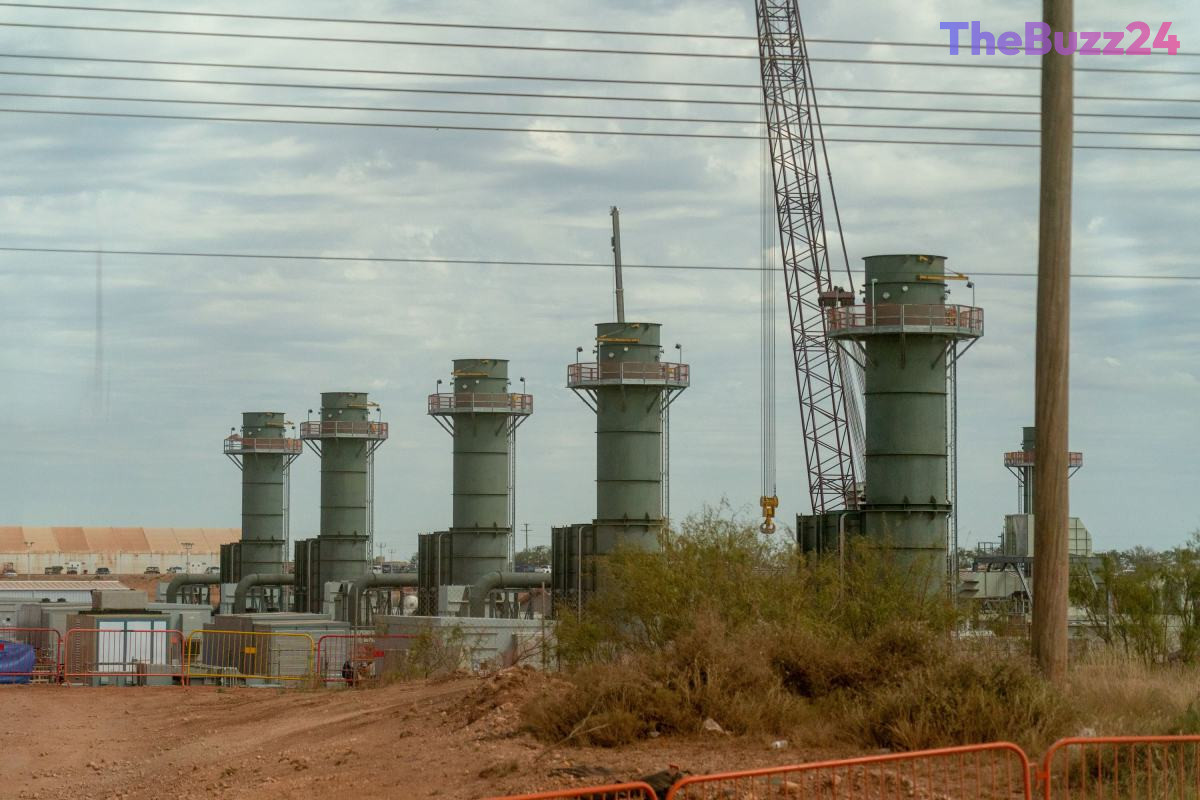
The energy source for Project Camellia raises environmental considerations. While OpenAI has not specified how the facility will be powered, regulatory filings from Georgia Power indicate that a significant portion of its newly approved capacity, which includes the OpenAI deal, will come from natural gas. The utility plans to build or acquire approximately 5.8 gigawatts of natural gas generating capacity, with about a quarter utilizing more polluting simple-cycle turbines, effectively doubling Georgia Power’s natural gas fleet. The remainder of the new capacity will be supplied by grid-scale batteries and solar. This reliance on fossil fuels for large-scale AI infrastructure has drawn scrutiny, echoing concerns raised by a lawsuit filed by the NAACP and the Southern Environmental Law Center against xAI’s Colossus data center in Memphis, which allegedly operated unpermitted natural gas turbines and impacted local air quality.
Despite the power supply timeline, OpenAI has not provided a specific date for when the first GPUs at Project Camellia will become operational. However, the recent hiring of Brett Mayo, who previously oversaw the rapid construction of xAI’s Colossus data center, suggests a potential acceleration in the project’s development. This massive investment underscores the intense global race for AI dominance and the immense energy and infrastructure demands it entails.
Key Takeaways
- OpenAI plans to invest $750 billion in AI infrastructure by 2030, a significant increase from previous estimates, signaling an intensified race for computational power.
- The first major project, 'Project Camellia' in Georgia, is a $20 billion data center campus requiring 3.2 gigawatts of power, primarily sourced from natural gas, with power availability expected between 2028 and 2032.
- Environmental concerns are emerging due to the reliance on fossil fuels for such large-scale AI infrastructure, drawing parallels to xAI's Colossus data center, which faces a lawsuit over unpermitted natural gas turbines and air quality issues.
Editor’s Analysis & Impact
OpenAI’s colossal $750 billion infrastructure commitment by 2030 highlights the escalating capital intensity and fierce competition within the AI sector. This investment underscores the critical need for vast computational resources to fuel advanced AI development, driving unprecedented demand for energy and specialized data center infrastructure. The reliance on natural gas for Project Camellia, while addressing immediate power needs, signals a significant environmental challenge for the industry, potentially accelerating calls for greener energy solutions and sustainable data center designs. The scrutiny faced by similar projects, like xAI’s Colossus, indicates that large-scale AI infrastructure will increasingly encounter regulatory and public pressure regarding its environmental footprint. This trend could lead to stricter policies and a greater emphasis on corporate responsibility in tech infrastructure development, shaping the future landscape of AI deployment.
Frequently Asked Questions
Q: What is OpenAI's total planned investment in AI infrastructure?
A: OpenAI plans to invest an estimated $750 billion in AI infrastructure by 2030, a substantial increase from its earlier projections.
Q: What is 'Project Camellia' and where will it be located?
A: Project Camellia is a $20 billion data center campus, the first major initiative under OpenAI's new investment plan. It will be located on 1,400 acres northwest of Savannah, Georgia.
Q: What are the primary environmental concerns associated with these large AI data centers?
A: The main environmental concerns stem from the massive energy demands of these facilities, which are often met by fossil fuels like natural gas. This can lead to increased carbon emissions and air pollution, as highlighted by legal challenges against similar projects.
AI Disclosure: This article is based on verified data and official reports. Our Team and AI have cross-referenced every financial detail with primary sources to ensure total accuracy.
More from this Category