OpenAI Debuts GPT-Live-1 Voice Models to Revolutionize Real-Time AI Conversations
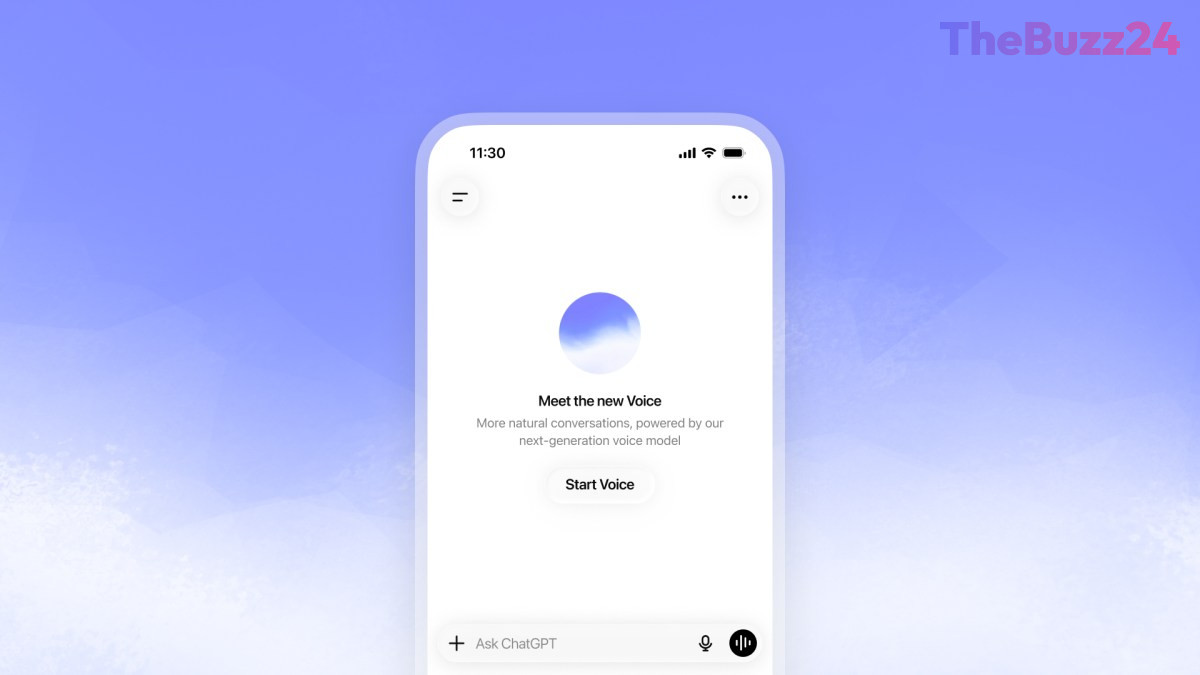
OpenAI has officially launched its next-generation conversational models, GPT-Live-1 and GPT-Live-1 mini, aiming to make voice interactions with artificial intelligence feel significantly more fluid and human-like. These new full-duplex models allow users to speak and listen simultaneously, enabling natural interruptions and seamless live translation. As part of this rollout, the smaller GPT-Live-1 mini model will become the default engine for ChatGPT’s voice features, while subscribers on paid tiers will gain exclusive access to the more powerful, full-sized GPT-Live-1 model.
This update represents a major architectural shift from previous voice systems, which relied on a multi-step process of transcribing speech to text, processing it through a language model, and converting the text back to speech. Instead, the new models can route complex queries directly to advanced reasoning engines like GPT-5.5 for search and agentic tasks without disrupting the conversational flow. Additionally, the system can remain silent to absorb contextual cues and even display visual information during a conversation—a trend also being pursued by emerging startups like Monogram.
The long-term vision behind these models is to position voice as the primary interface for complex computing and long-running digital tasks. While rumors circulate about potential AI-integrated hardware like earbuds, the immediate focus remains on enhancing software that already serves over 150 million users. OpenAI is entering an increasingly competitive landscape, with tech giants like Apple and Amazon upgrading their virtual assistants, alongside startups like Sesame working on background-tasking AI agents.
Despite the technological leap, OpenAI emphasizes that these models are designed as utility tools rather than emotional AI companions. The system includes strict safety guardrails, such as age-appropriate filtering for teenagers and crisis intervention resources. However, early demonstrations show that the technology still has room for improvement; for instance, live translation in languages like Hindi currently exhibits a noticeably bookish tone and a heavy accent, though developers are actively optimizing the system for global use.
Key Takeaways
- OpenAI has launched GPT-Live-1 and GPT-Live-1 mini, full-duplex voice models that support simultaneous speaking, listening, and natural interruptions.
- The new architecture bypasses traditional multi-step speech-to-text pipelines, routing queries directly to advanced reasoning models like GPT-5.5.
- While aiming to establish voice as a primary computing interface, the system includes safety guardrails for younger users and is currently optimized for major global languages.
Editor’s Analysis & Impact
The release of GPT-Live-1 marks a critical milestone in the evolution of human-computer interaction, shifting the paradigm from transactional voice commands to continuous, cognitive dialogue. By integrating real-time voice processing directly with advanced reasoning models like GPT-5.5, OpenAI is laying the groundwork for voice to become a primary operating system interface. This move intensifies the pressure on legacy assistants like Siri and Alexa, which have historically struggled with contextual continuity. Furthermore, the emphasis on utility over companionship highlights a strategic effort to avoid the ethical and psychological pitfalls of ‘AI relationships,’ focusing instead on productivity and agentic workflows. As hardware integration looms on the horizon, the success of these models will depend on how quickly they can overcome multilingual accent barriers and deliver truly localized, natural experiences globally.
Frequently Asked Questions
Q: What makes GPT-Live-1 different from previous ChatGPT voice modes?
A: Unlike older systems that processed voice through separate transcription and text-to-speech steps, GPT-Live-1 is a full-duplex model. This allows it to listen and talk at the same time, handle natural interruptions, and directly access advanced reasoning models like GPT-5.5 during a live conversation.
Q: Who has access to these new voice models?
A: GPT-Live-1 mini is being rolled out as the default voice model for standard ChatGPT users, while the larger, more capable GPT-Live-1 model is reserved for users on paid subscription tiers.
Q: Can the new voice model perform tasks in other languages?
A: Yes, the model supports live translation and is optimized for most widely spoken languages. However, early tests indicate that some non-English translations may still sound slightly unnatural or carry a heavy accent.
AI Disclosure: This article is based on verified data and official reports. Our Team and AI have cross-referenced every financial detail with primary sources to ensure total accuracy.
More from this Category