OpenAI Employee Arrested After Planting Surveillance Device in Executive Suite
Federal authorities have taken an OpenAI employee into custody following the discovery of a covert recording device inside one of the company’s executive conference rooms. The suspect, identified as Abdulrahman Alfozan, was terminated from his position on the product team shortly after the surveillance equipment was uncovered in early October.
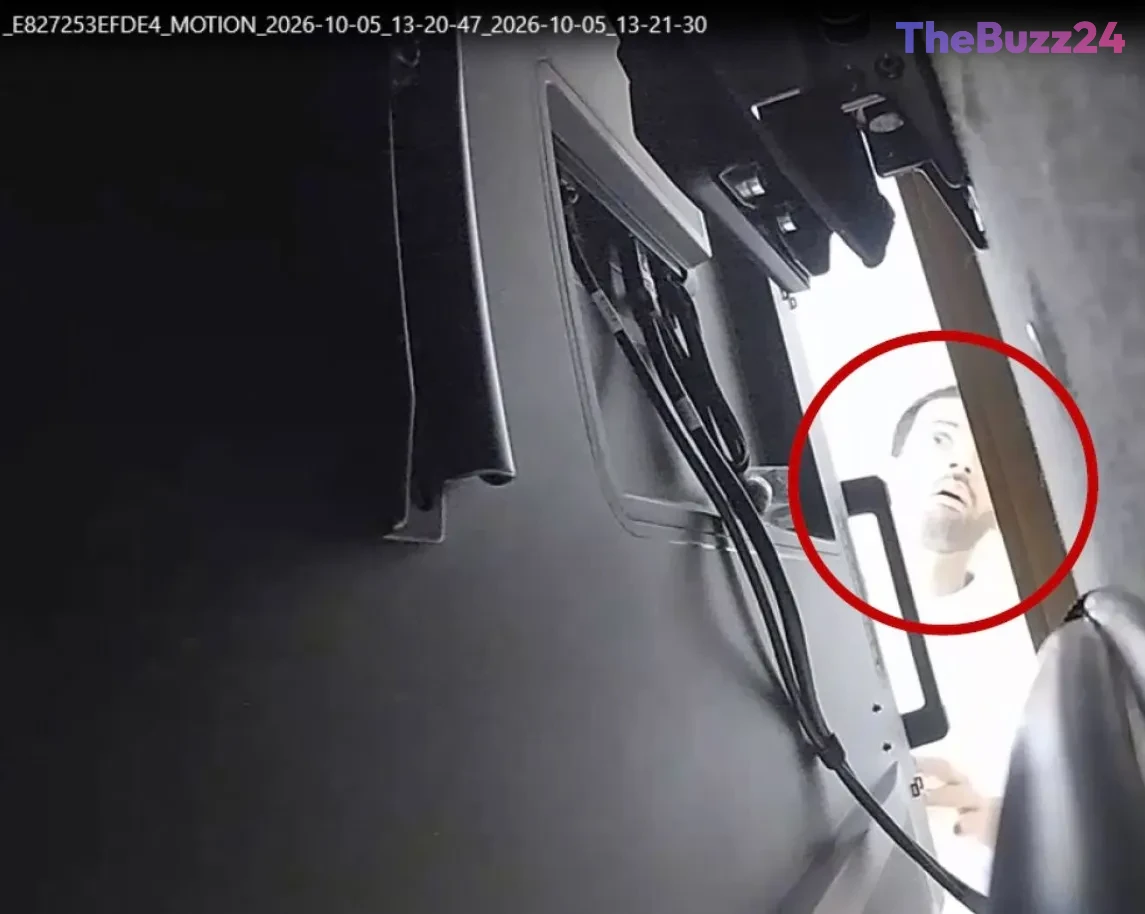
According to court documents, the device was discovered plugged into a USB port on the back of a television in the firm’s San Francisco headquarters. Internal security measures, including the use of OpenAI’s own AI models to analyze the hardware, helped identify the sophisticated nature of the device, which featured advanced encryption and remote data transfer capabilities. Surveillance footage reportedly captured Alfozan interacting with the television setup where the device was concealed.
While the investigation is ongoing, OpenAI has stated that there is currently no evidence suggesting that the individual successfully accessed or exfiltrated sensitive intellectual property, such as model weights, source code, or customer data. Federal prosecutors have charged Alfozan with the illegal interception of oral communications. If convicted, he faces a potential sentence of up to five years in federal prison.
Law enforcement officials have emphasized the gravity of the situation, noting that the protection of advanced artificial intelligence innovation is a critical component of national security. The FBI continues to investigate the incident to determine the full scope of the suspect’s intentions and whether the attempt to capture sensitive internal communications was part of a broader espionage effort.
Key Takeaways
- An OpenAI employee was arrested for allegedly planting a sophisticated recording device in an executive conference room.
- The company confirmed that no sensitive data, source code, or model weights were compromised during the incident.
- The suspect faces federal charges for the illegal interception of oral communications and could face up to five years in prison.
Editor’s Analysis & Impact
This incident highlights the escalating security risks facing high-profile AI firms as they become central pillars of national economic and technological strategy. As companies like OpenAI develop ‘super intelligence’ technologies, they are increasingly becoming targets for corporate espionage and state-sponsored intelligence gathering. The use of sophisticated, encrypted hardware suggests a level of preparation that goes beyond typical workplace misconduct, signaling that AI intellectual property is now a primary target for bad actors. Moving forward, we can expect AI labs to implement even more stringent physical security protocols, including rigorous hardware audits and enhanced surveillance of internal infrastructure, to protect their competitive advantages and proprietary research from both external threats and ‘insider’ risks.
Frequently Asked Questions
Q: Was any sensitive OpenAI data stolen during this incident?
A: OpenAI has stated that there is no indication that the individual accessed or exfiltrated model weights, source code, or customer data.
Q: What specific charges is the former employee facing?
A: The suspect has been charged with using an electronic device to intercept oral communications, which carries a maximum penalty of five years in prison.
AI Disclosure: This article is based on verified data and official reports. Our Team and AI have cross-referenced every financial detail with primary sources to ensure total accuracy.
More from this Category