OpenAI Faces Leadership Exodus as Data Center Chief Departs
OpenAI is navigating a period of significant internal transition following the departure of Chris Malone, the company’s head of data centers. Malone, who joined the organization in March 2025 after holding distinguished engineering roles at Meta and Google, played a pivotal role in shaping the company’s massive infrastructure strategy. His exit is the latest in a series of high-profile departures that have raised questions about the stability of the artificial intelligence firm as it prepares for a major public offering.
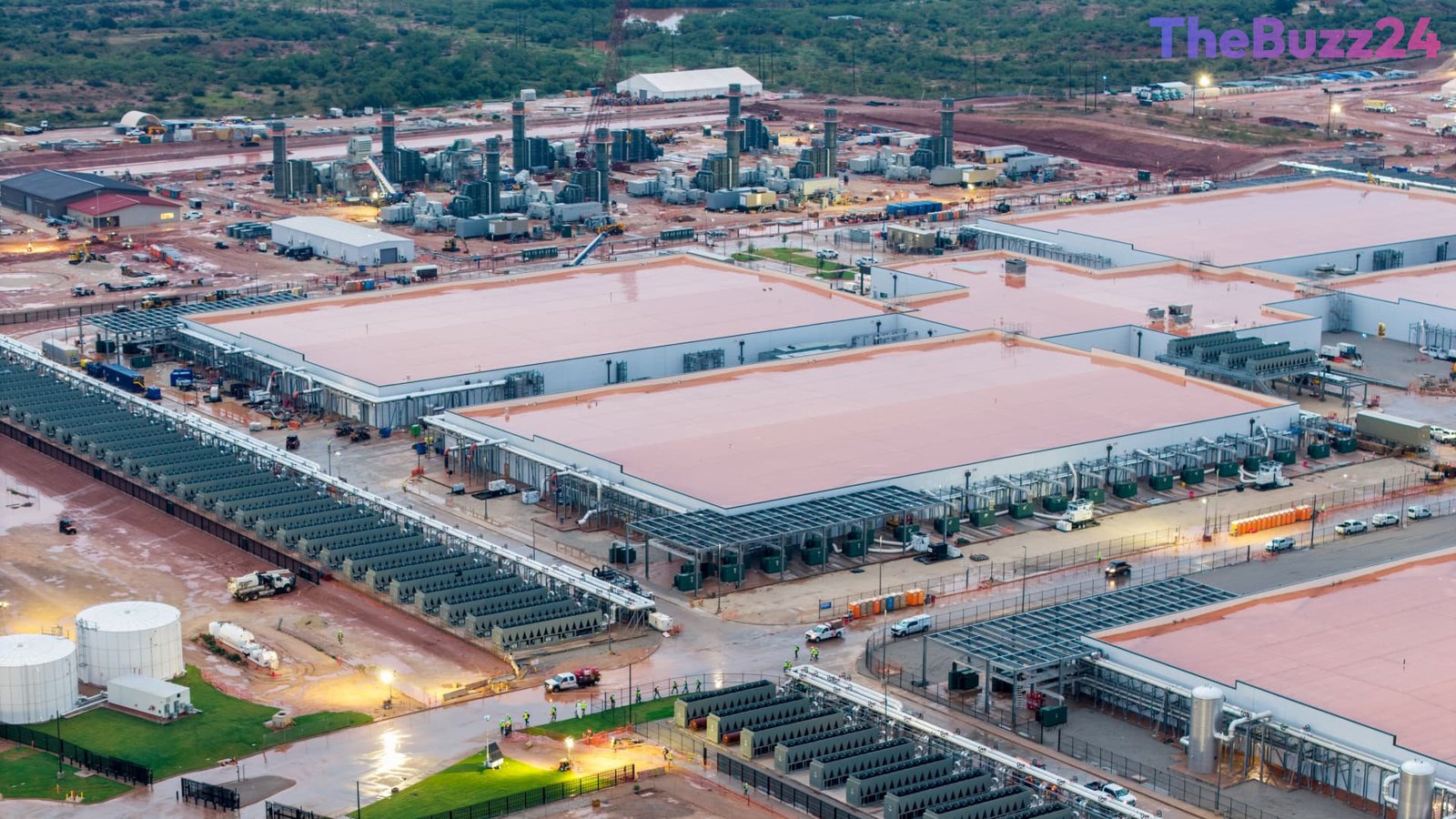
In response to the news, an OpenAI spokesperson stated that the company recently reorganized its infrastructure division to better align with the rapid pace and scale of its current operations. The firm maintains that it retains a robust and experienced team capable of executing its ambitious goal of investing approximately $600 billion in compute infrastructure by 2030. Despite the internal shifts, leadership remains confident in the company’s technical trajectory.
Malone’s departure follows a string of exits from other key figures, including revenue chief Denise Dresser, longtime executive Brad Lightcap, and product and business lead Fidji Simo. These departures occur at a sensitive time for the company, which is currently working to justify an $852 billion valuation ahead of a planned 2027 IPO. While some investors have expressed concern over the turnover, OpenAI President Greg Brockman has downplayed the significance, suggesting that the intense public scrutiny surrounding the company makes routine executive changes appear more disruptive than they actually are.
Key Takeaways
- Chris Malone, OpenAI's head of data centers, has left the company amid a broader wave of executive departures.
- OpenAI is undergoing an internal infrastructure reorganization to support its $600 billion compute investment goal.
- Despite high-level turnover, the company maintains its target of going public by 2027.
Editor’s Analysis & Impact
The recent string of executive departures at OpenAI signals a period of intense organizational friction, likely exacerbated by the immense pressure to scale infrastructure to meet the demands of advanced AI models. While leadership characterizes these exits as standard corporate turnover, the loss of key personnel in revenue, product, and infrastructure roles creates a narrative of instability that could complicate investor confidence ahead of a massive IPO. The company is currently balancing the need for rapid, capital-intensive expansion with the mounting political and environmental backlash against data centers. Moving forward, OpenAI must demonstrate that its internal culture and leadership pipeline can withstand the scrutiny of the public markets. If the exodus continues, it may force the company to slow its aggressive growth targets or face increased skepticism regarding its long-term operational sustainability.
Frequently Asked Questions
Q: Why is OpenAI's infrastructure strategy significant?
A: OpenAI has set an ambitious goal to invest approximately $600 billion in compute infrastructure by 2030, which is essential for training and running the next generation of large-scale AI models.
Q: When does OpenAI plan to go public?
A: OpenAI CFO Sarah Friar has indicated to employees that the company intends to become a public entity by 2027.
AI Disclosure: This article is based on verified data and official reports. Our Team and AI have cross-referenced every financial detail with primary sources to ensure total accuracy.
More from this Category