OpenAI Monetizes Indian Market with ChatGPT Ad Rollout for Free and Budget Users
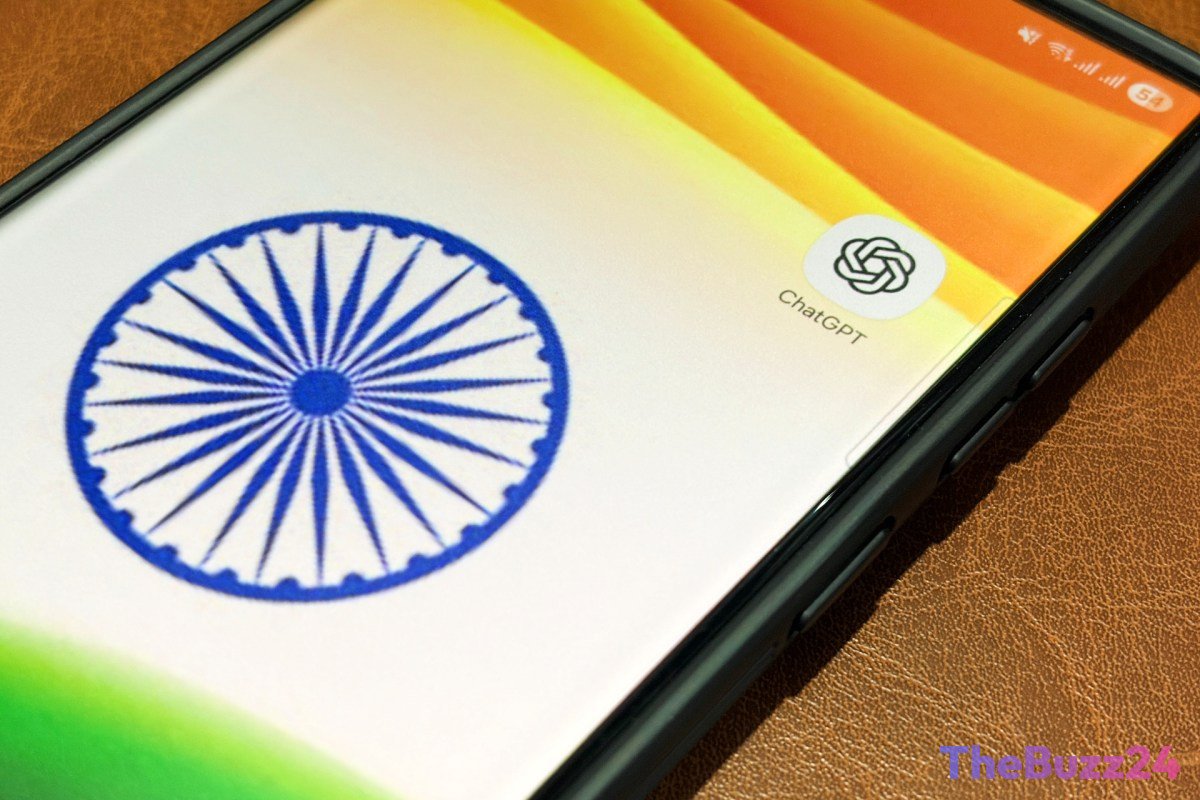
OpenAI is expanding its advertising footprint by introducing ads to its ChatGPT Free and budget-friendly “Go” subscription tiers in India. This strategic shift follows a recent update to the artificial intelligence firm’s terms of service, which paved the way for sponsored content within the AI assistant’s interface. India represents a massive user base for the company, boasting over 100 million weekly active users, the vast majority of whom utilize these non-premium tiers.
To kick off the advertising initiative, OpenAI has partnered with major global advertising agencies WPP and Omnicom, launching campaigns with an initial cohort of 50 brands. Furthermore, the company plans to debut a dedicated ad manager next month, allowing businesses of all sizes to set up campaigns with a highly accessible minimum daily budget of ₹725 (approximately $7.60). According to company leadership, the goal is to present highly contextual ads at pivotal moments when users are actively making decisions.
This monetization push in India builds upon years of aggressive local expansion. OpenAI previously introduced a sub-$5 ChatGPT Go plan tailored for the Indian market, ran promotional campaigns offering the tier free for a year, and heavily marketed its services during major sporting events like the Indian Premier League (IPL) and Women’s Premier League (WPL). The company also recently recruited Uber’s former India head to steer its growth in the region.
The rollout in India follows similar ad launches in the United States and Europe earlier this year. These monetization efforts are critical as OpenAI prepares for a highly anticipated initial public offering (IPO) expected within the next year or two. The company’s financial momentum is already strong, with revenues climbing to $6.7 billion in the second quarter of 2026, up from $5.7 billion in the preceding quarter, as it targets a long-term goal of 220 million paying subscribers by 2030.
Key Takeaways
- OpenAI is introducing ads to ChatGPT's Free and Go tiers in India, targeting a massive user base of over 100 million weekly active users.
- The ad program launches with 50 initial brands in partnership with WPP and Omnicom, supported by a low-cost ad manager launching next month.
- This monetization strategy is part of OpenAI's broader push to boost revenues ahead of a highly anticipated IPO.
Editor’s Analysis & Impact
OpenAI’s decision to monetize its massive Indian user base through advertising marks a pivotal transition from user acquisition to revenue optimization. India has long been a high-volume, low-ARPU (average revenue per user) market for global tech giants. By offering a low-barrier ad manager with a minimum daily budget of just $7.60, OpenAI is smartly targeting India’s vast ecosystem of small and medium-sized enterprises (SMEs) alongside major brands. This move, following similar rollouts in the US and Europe, is a clear signal to Wall Street that OpenAI is diversifying its revenue streams beyond consumer subscriptions and enterprise API licensing. As the company eyes a near-term IPO, demonstrating a viable, scalable advertising model in emerging markets will be crucial to justifying its astronomical private valuations and funding the immense compute costs of next-generation AI models.
Frequently Asked Questions
Q: Which ChatGPT tiers will display ads in India?
A: Ads will be shown to users on the ChatGPT Free tier as well as the lower-priced ChatGPT Go subscription tier.
Q: How much does it cost for businesses to advertise on ChatGPT?
A: OpenAI is launching an ad manager that allows businesses to run campaigns with a minimum daily budget of ₹725 (approximately $7.60).
Q: Why is OpenAI introducing ads now?
A: The company is looking to diversify and scale its revenue streams ahead of a potential initial public offering (IPO) expected in the near future.
AI Disclosure: This article is based on verified data and official reports. Our Team and AI have cross-referenced every financial detail with primary sources to ensure total accuracy.
More from this Category