OpenAI Unveils ‘Dots’: A New Era of Autonomous Agentic Assistants
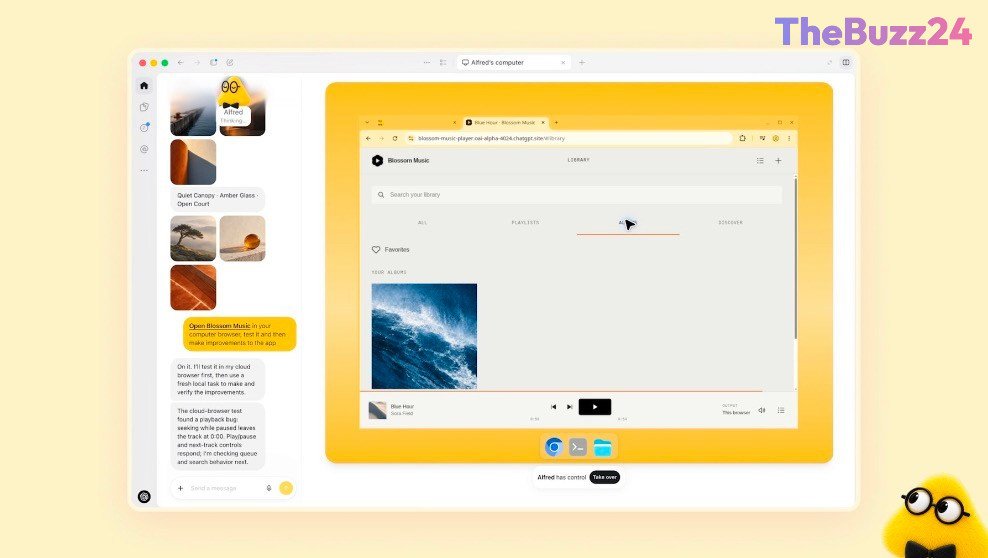
OpenAI has officially introduced ‘Dots,’ a sophisticated suite of personal agentic assistants powered by the new GPT-6 Astra model. Unveiled during the company’s DevDay event, these agents are designed to function as ‘always-on’ digital helpers capable of managing complex, user-defined goals in the background with minimal human intervention. Unlike traditional interfaces like ChatGPT, Dots are engineered to operate independently across various platforms and workflows.
Users can customize their primary Dot, assigning it a unique identity and specific objectives. OpenAI envisions a future where these agents collaborate in teams to streamline professional tasks. For instance, a software developer might deploy a Dot to monitor customer feedback and automatically implement bug fixes, while a scientist could utilize one to continuously analyze experimental data as it arrives. Integration is already underway with major communication platforms like Slack and Microsoft Teams, with SMS support expected in the near future.
Beyond general utility, OpenAI is developing ‘specialist Dots’ that can be provisioned with specific credentials and security clearances. Through a partnership with Microsoft, these agents are being integrated into Agent 365 security controls, allowing them to operate within enterprise environments safely. While the underlying technology builds upon previous agentic frameworks, the Dots platform packages these capabilities into a more accessible, user-friendly, and visually distinct interface, featuring a playful, cartoonish aesthetic designed to make AI interaction feel more approachable and relatable.
Key Takeaways
- OpenAI launched 'Dots,' autonomous agents powered by GPT-6 Astra designed for continuous, background task execution.
- The agents are highly customizable and can be integrated into professional workflows like Slack, Microsoft Teams, and enterprise security systems.
- Dots represent a shift toward 'agentic' AI that performs complex, multi-step goals rather than just responding to individual prompts.
Editor’s Analysis & Impact
The launch of Dots marks a significant pivot in the AI industry from passive chatbots to active, agentic systems. By focusing on ‘always-on’ functionality, OpenAI is attempting to solve the ‘last mile’ problem of AI adoption, where users currently have to manually trigger every action. The integration with Microsoft’s security ecosystem suggests that OpenAI is aggressively targeting the enterprise market, aiming to make AI a foundational layer of corporate infrastructure rather than a standalone tool. The ‘bubbly’ branding indicates a broader industry trend of humanizing AI to reduce friction for non-technical users. If successful, this could fundamentally change how software is developed and managed, shifting the burden of routine operations from human employees to autonomous digital agents, thereby increasing productivity while raising new questions about oversight and algorithmic accountability.
Frequently Asked Questions
Q: What makes Dots different from standard ChatGPT?
A: Unlike ChatGPT, which is primarily a reactive chatbot, Dots are designed to be autonomous agents that work in the background to pursue long-term, user-defined goals without constant manual input.
Q: Can Dots be used in a professional or enterprise setting?
A: Yes, OpenAI is working with Microsoft to integrate Dots into Agent 365 security controls, allowing them to handle specific credentials and tasks within secure corporate environments.
AI Disclosure: This article is based on verified data and official reports. Our Team and AI have cross-referenced every financial detail with primary sources to ensure total accuracy.
More from this Category