Orbital Breakthrough: How Microgravity Is Transforming Stem Cell Production
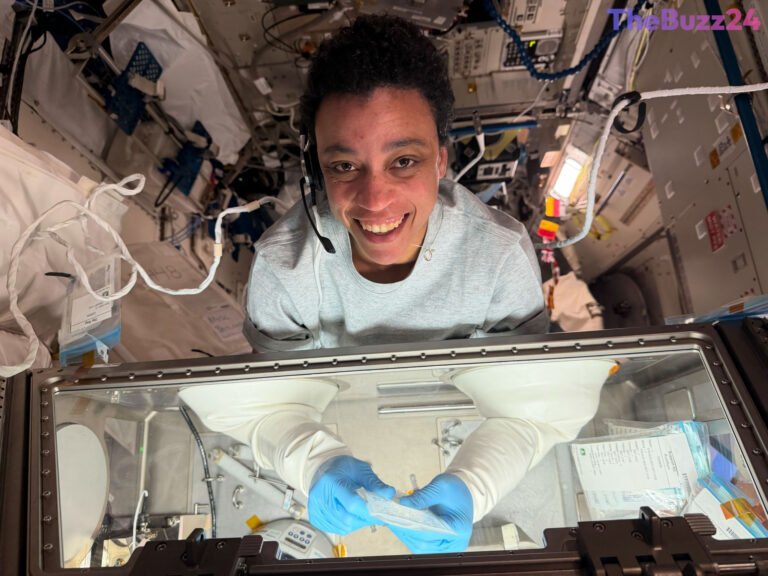
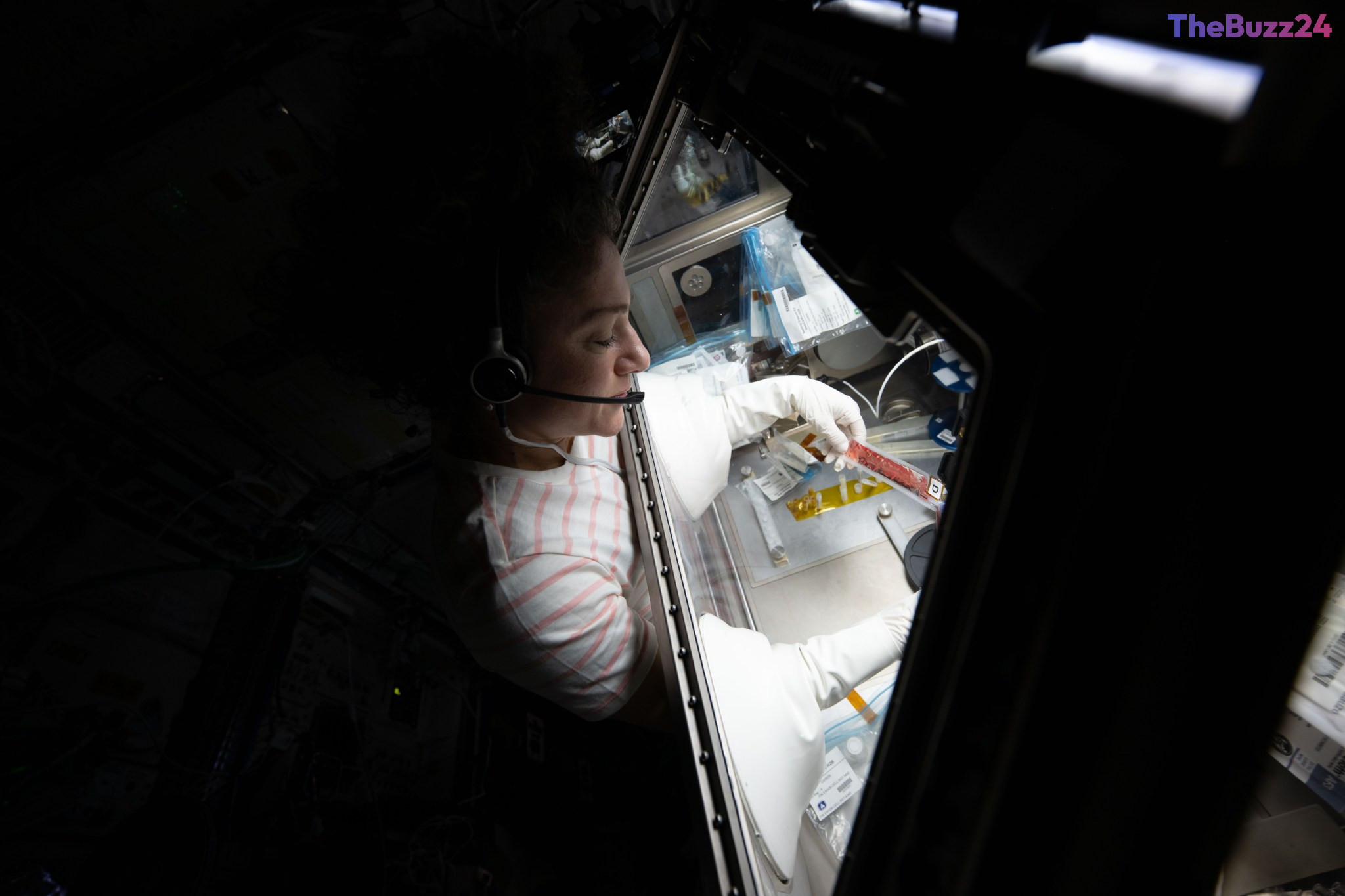
Researchers aboard the International Space Station are spearheading a pioneering investigation into whether microgravity can overcome the long-standing hurdles associated with large-scale stem cell manufacturing. The InSPA-StemCellEX-H2 project utilizes a specialized bioreactor to explore whether the unique space environment allows for more efficient expansion of blood stem cells compared to traditional terrestrial laboratory methods.
On Earth, the clinical application of stem cells is frequently hindered by a loss of potency during the expansion process. As cells multiply in standard gravity, they often lose their ability to differentiate into vital components of the human blood system, such as red and white blood cells or platelets. This degradation poses a significant challenge for patients battling leukemia or other blood-related cancers who require robust stem cell transplants to rebuild their immune systems.
By conducting these experiments in orbit, scientists aim to maintain stem cells in a more primitive, high-quality state. Preliminary insights suggest that this space-based approach could result in higher expansion yields and potentially lower the risk of immune rejection in patients. If these findings are validated, the technology could provide a more reliable, scalable supply of therapeutic cells for those suffering from severe immune system diseases and fatal blood disorders.
This initiative underscores the evolving utility of the International Space Station as a critical hub for pharmaceutical and commercial innovation. By harnessing the absence of gravity, the scientific community is pushing the boundaries of biotechnology, aiming to translate these orbital discoveries into tangible, life-saving medical treatments for clinical use on Earth.
Key Takeaways
- Microgravity is being tested as a solution to the loss of stem cell potency that occurs during terrestrial expansion.
- The InSPA-StemCellEX-H2 investigation uses specialized bioreactors to improve the yield and quality of blood stem cells for medical use.
- Successful orbital manufacturing could lead to more effective treatments for leukemia and other severe immune system disorders.
Editor’s Analysis & Impact
The shift toward orbital biomanufacturing represents a paradigm shift in regenerative medicine. By moving beyond the physical constraints of Earth’s gravity, the pharmaceutical industry is unlocking new methods to produce high-quality biological materials that were previously considered too difficult or costly to scale. This research is particularly significant for the future of personalized medicine, where the demand for high-potency stem cells is expected to grow exponentially. If the InSPA-StemCellEX-H2 project proves that microgravity can consistently produce superior cell lines, we can expect a surge in commercial interest regarding space-based manufacturing facilities. While the logistics of space transport remain a hurdle, the potential to revolutionize cancer treatment and immune therapy makes this a high-value frontier for biotech investment and long-term clinical development.
Frequently Asked Questions
Q: Why is it difficult to grow stem cells on Earth?
A: On Earth, stem cells often lose their potency and ability to differentiate into necessary blood components as they multiply in laboratory bioreactors.
Q: How does microgravity help the stem cell expansion process?
A: Microgravity allows cells to grow in a more primitive, high-quality state, which may lead to higher yields and better therapeutic outcomes for patients.
AI Disclosure: This article is based on verified data and official reports. Our Team and AI have cross-referenced every financial detail with primary sources to ensure total accuracy.
More from this Category