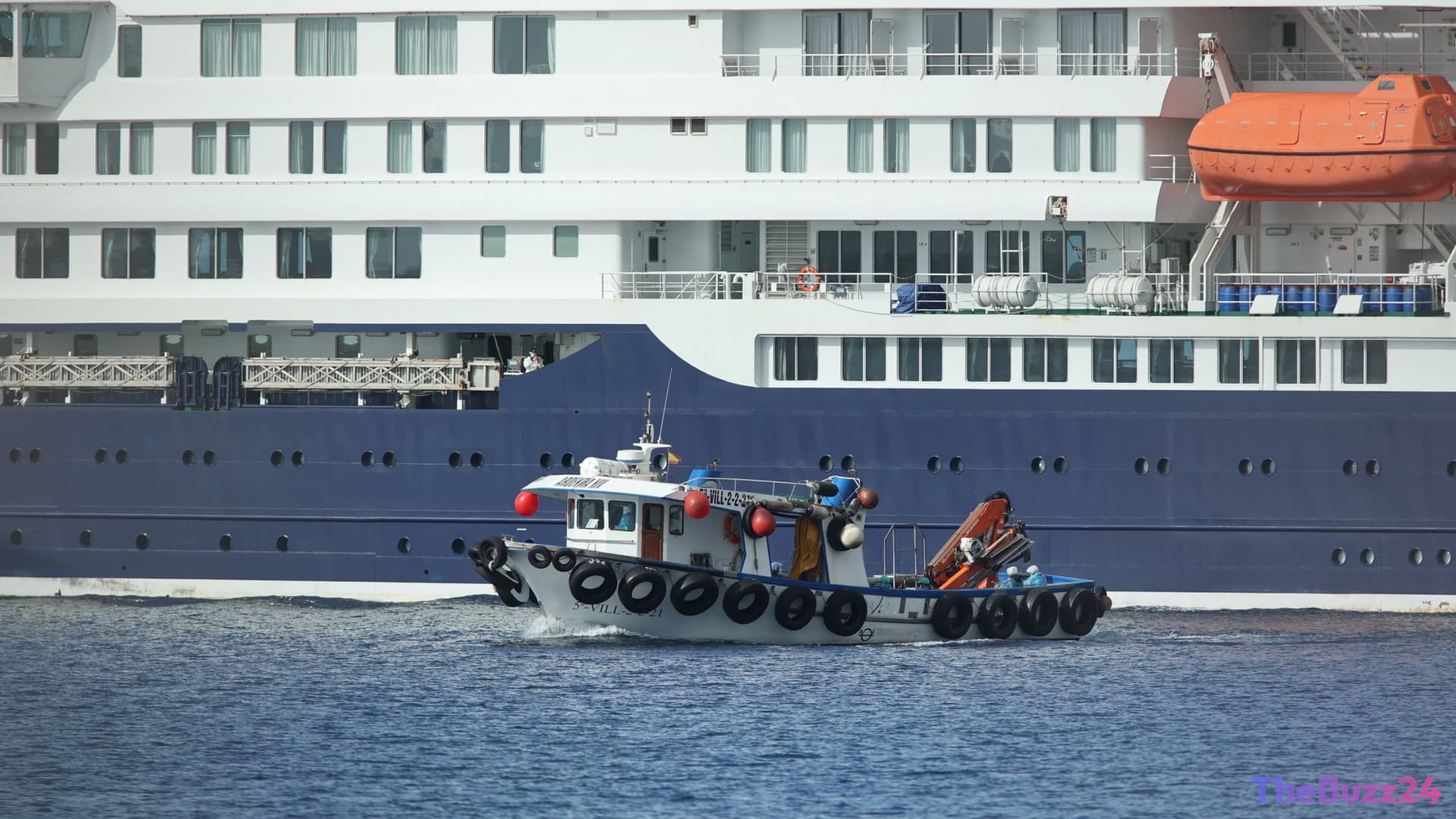
Global Evacuation Underway After Rare Hantavirus Outbreak Hits Luxury Cruise Ship
A massive international repatriation effort is underway in Tenerife as passengers and crew are evacuated from the MV Hondius cruise ship following a rare and deadly outbreak of hantavirus. Government-chartered flights and military transport buses are being utilized to transfer travelers directly from the vessel to Tenerife airport, ensuring zero contact with the general public. The coordinated operation, which is expected to conclude on Monday, follows a recommended 42-day quarantine period for all individuals who were on board.
The outbreak has claimed three lives so far, including a Dutch couple and a German national, with several other passengers currently hospitalized across South Africa, the Netherlands, and Switzerland. Health authorities believe the initial infection originated before boarding, potentially during travel in Argentina or Chile, where the virus is endemic, before spreading among passengers on the ship. Despite hantavirus typically being transmitted via rodents, extensive inspections of the MV Hondius have revealed no signs of rodent infestation on board, suggesting rare person-to-person transmission may have occurred.
Multiple nations, including Spain, France, the United Kingdom, Canada, the United States, and Australia, have dispatched aircraft to retrieve their citizens. Meanwhile, a skeleton crew of 30 members will remain on the vessel to sail it to the Netherlands, where it will undergo a rigorous deep-cleaning and disinfection process. In a dramatic secondary response, British military specialists were parachuted onto the remote South Atlantic island of Tristan da Cunha to provide medical support to a former passenger exhibiting potential symptoms.
Key Takeaways
- A coordinated international evacuation is taking place in Tenerife for passengers of the MV Hondius cruise ship following a hantavirus outbreak that has caused three deaths.
- Health officials have mandated a strict 42-day quarantine for all passengers, who are being transported directly to repatriation flights with zero public contact.
- While hantavirus is traditionally spread by rodents, no pests were found on the ship, pointing to a highly unusual case of person-to-person transmission.
Editor’s Analysis & Impact
The hantavirus outbreak aboard the MV Hondius highlights a critical vulnerability in the global cruise and travel industry: the rapid transmission of rare pathogens in confined spaces. While the cruise sector has heavily invested in sanitization and health protocols post-COVID-19, this incident underscores that non-traditional maritime diseases can still pose severe operational and reputational risks. The suspected person-to-person transmission of hantavirus—a pathogen typically vector-borne—will likely prompt international maritime and health bodies to review screening protocols for passengers embarking from high-risk regions like South America. In the short term, cruise operators may face increased scrutiny and potential policy shifts regarding pre-boarding health declarations. However, the swift, highly coordinated international response demonstrates robust global health infrastructure capable of containing localized outbreaks before they trigger wider public health crises.
Frequently Asked Questions
Q: What is hantavirus and how does it usually spread?
A: Hantavirus is a viral disease that is typically contracted through contact with the urine, droppings, or saliva of infected rodents. While person-to-person transmission is extremely rare, it can occasionally occur under specific circumstances.
Q: Why are passengers being quarantined for 42 days?
A: Global health authorities have recommended a 42-day quarantine as a precautionary measure to cover the maximum incubation period of the virus, ensuring that any potential secondary infections are contained.
Q: Were any rodents found on the MV Hondius?
A: No. Thorough health inspections of the vessel confirmed that no rodents were present on board, leading experts to believe the virus was brought onto the ship by an infected individual and subsequently spread.
AI Disclosure: This article is based on verified data and official reports. Our Team and AI have cross-referenced every financial detail with primary sources to ensure total accuracy.
More from this Category