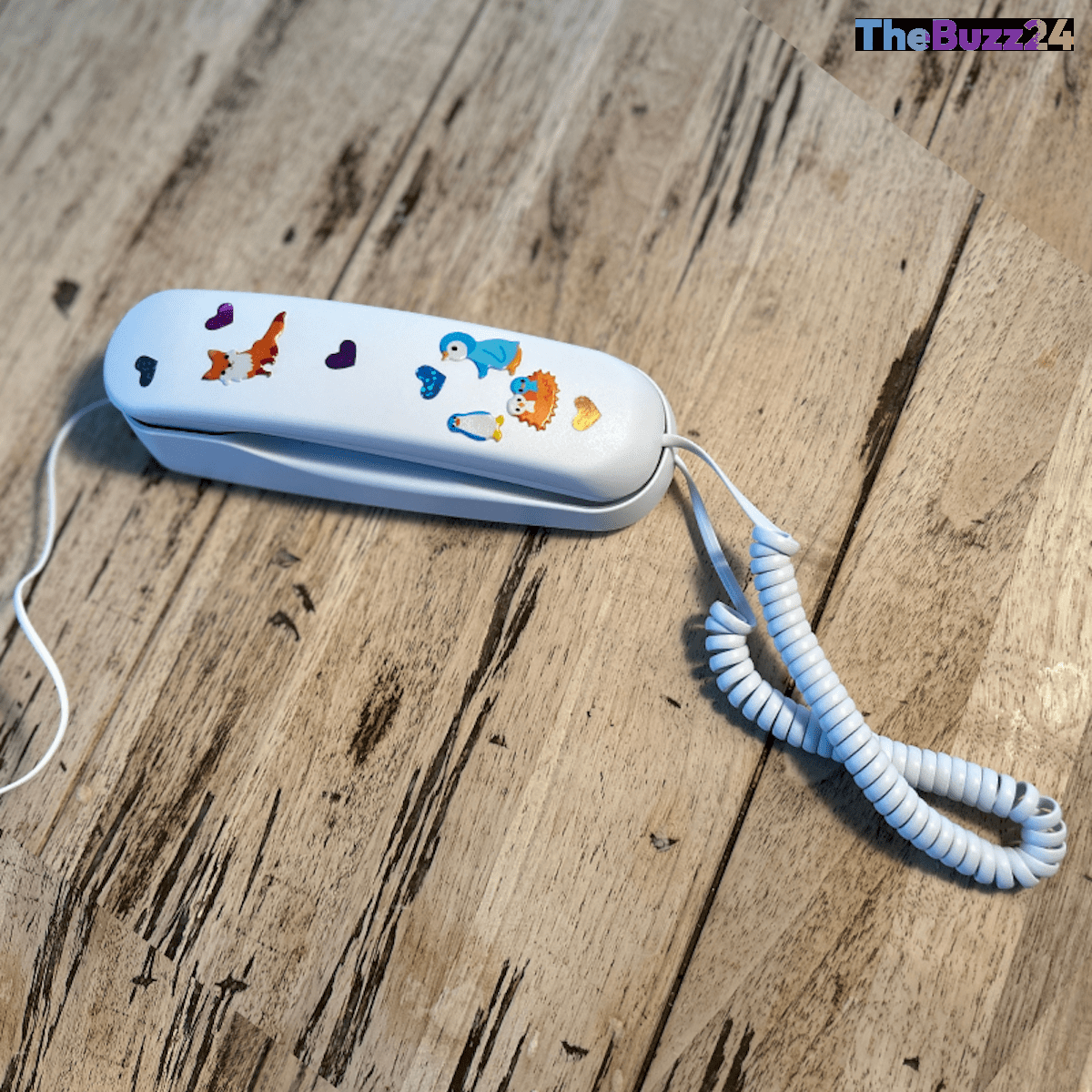
Pinwheel Introduces Retro-Style Landline to Curb Kids’ Screen Time
Pinwheel has unveiled a new communication device, the Pinwheel Home, designed to provide children with a dedicated way to connect with family and friends without the distractions associated with modern smartphones. Aimed at children between the ages of 5 and 10, the device mimics the aesthetic of a traditional landline while utilizing modern Wi-Fi technology to function, removing the need for legacy phone jacks.
The launch arrives as parents and educators express increasing concern regarding the impact of excessive screen time on child development. By stripping away social media access, text messaging, and web browsing, the Pinwheel Home focuses exclusively on voice communication. This approach is intended to foster better interpersonal skills and meaningful conversation, offering a controlled environment for children to practice phone etiquette before transitioning to more complex mobile devices.
Safety remains a central feature of the product, managed through the company’s Caregiver Portal. Parents retain full control over the device, allowing them to curate approved contact lists, block unsolicited spam or robocalls, and establish specific calling schedules. The device is available in two versions: the Spark, starting at $68, and the Classic, priced at $79, which features a more traditional handset design.
As the market for screen-free communication grows, Pinwheel is positioning its new hardware as a direct competitor to other niche devices like Tin Can. With plans to integrate the home phone with its existing line of smartwatches and smartphones, the company aims to create a unified, restricted communication ecosystem for families. The devices are currently available for purchase through the company’s website, with a broader retail rollout on Amazon expected later this year.
Key Takeaways
- Pinwheel Home is a Wi-Fi-enabled, screen-free landline designed to help children communicate without the risks of social media or web browsing.
- The device features robust parental controls, allowing caregivers to manage contact lists, block spam, and set specific usage hours via a dedicated portal.
- The product is part of a growing trend of 'dumb' tech aimed at mitigating the developmental and behavioral concerns linked to excessive childhood screen time.
Editor’s Analysis & Impact
The launch of the Pinwheel Home reflects a significant shift in the consumer electronics market, where ‘digital minimalism’ is becoming a premium feature rather than a limitation. As global concerns regarding the psychological impact of social media on minors intensify—evidenced by legislative discussions in Australia and the U.K.—parents are increasingly seeking hardware that bridges the gap between safety and connectivity. By targeting the 5-to-10 age demographic, Pinwheel is effectively capturing the ‘pre-smartphone’ market, establishing brand loyalty before children are exposed to the complexities of the open internet. If successful, this strategy could force larger tech incumbents to reconsider their own ‘kid-mode’ offerings, potentially leading to a broader industry pivot toward modular, restricted-functionality devices that prioritize human interaction over engagement-driven algorithms.
Frequently Asked Questions
Q: Does the Pinwheel Home require a traditional phone line?
A: No, the device operates entirely over Wi-Fi, meaning it does not require a physical phone jack or a traditional landline service provider.
Q: How do parents manage the contacts on the device?
A: Parents manage all contacts, calling schedules, and security settings through the Pinwheel Caregiver Portal, which ensures that children can only communicate with pre-approved individuals.
AI Disclosure: This article is based on verified data and official reports. Our Team and AI have cross-referenced every financial detail with primary sources to ensure total accuracy.
More from this Category