Federal Reserve Leadership Transition Stalled by Legal Battle Over Renovation Probe
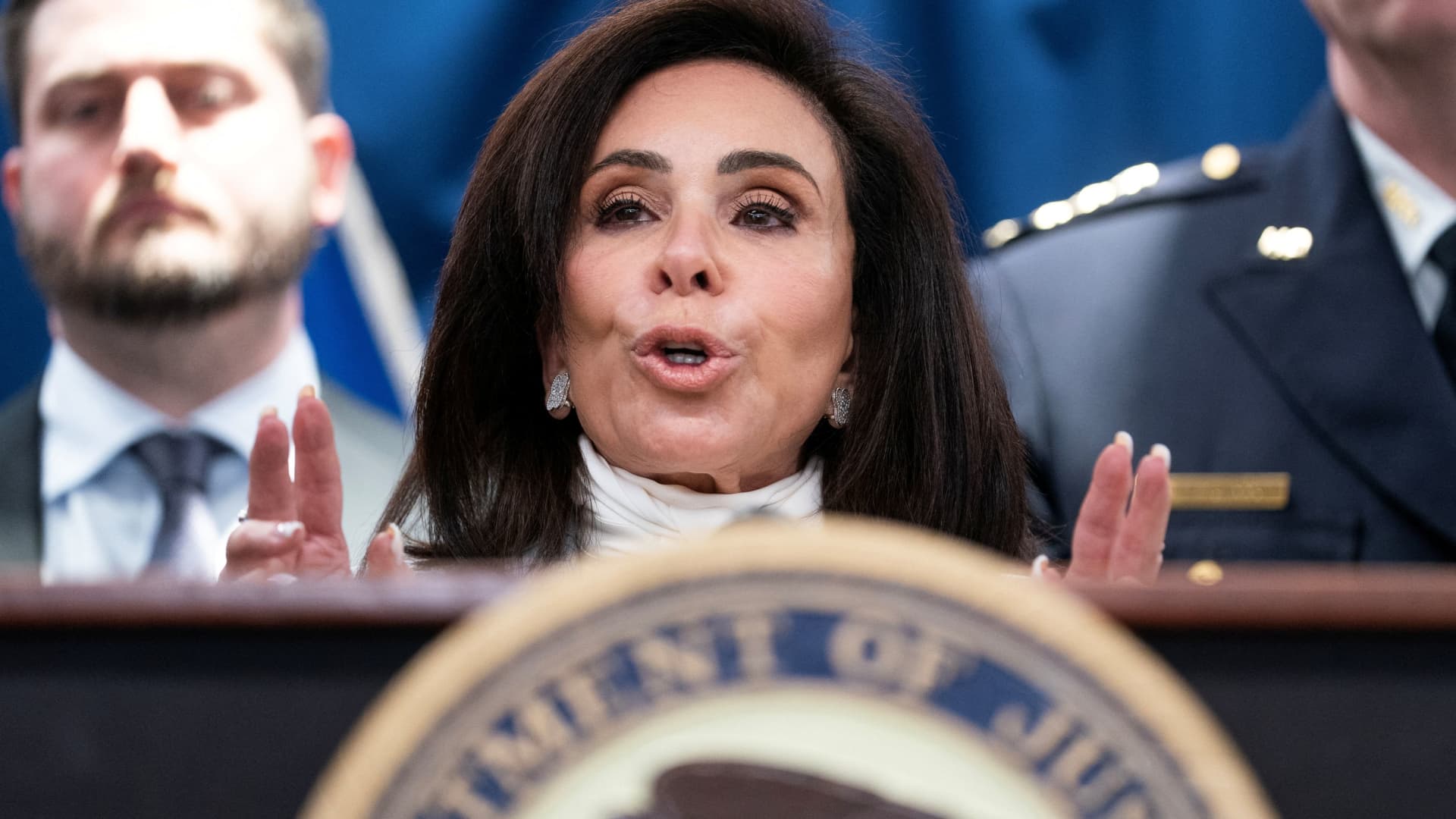
A high-stakes legal confrontation is unfolding as federal prosecutors challenge a judicial decision that previously halted a grand jury investigation into the Federal Reserve. The inquiry centers on allegations of financial mismanagement regarding the multi-billion dollar renovation of historic central bank facilities located in Washington, D.C. A federal judge had initially intervened to block subpoenas, expressing concern that the legal proceedings were being leveraged to exert improper influence over the Fed’s governing board.
This legal entanglement arrives at a precarious moment for the nation’s central bank, complicating the transition of leadership. The investigation overlaps with the nomination of Kevin Warsh, who has been tapped to succeed current Chairman Jerome Powell. The timing has ignited a fierce debate over the institutional autonomy of the Federal Reserve, with Chairman Powell suggesting that the Department of Justice is being deployed as a mechanism to pressure the institution regarding its monetary policy decisions in the face of executive branch demands on interest rates.
The situation has triggered significant friction on Capitol Hill, where lawmakers remain deeply divided. Several members of Congress have signaled their intent to stall the confirmation process for Warsh until the investigation is either resolved or dismissed. While the administration maintains that the probe is a vital step toward ensuring fiscal accountability for renovation expenditures, the convergence of a criminal investigation and the appointment process has cast a shadow of uncertainty over the future of U.S. monetary policy ahead of the Senate Banking Committee’s review in mid-May.
Key Takeaways
- Federal prosecutors are appealing a court ruling that halted a grand jury probe into Federal Reserve renovation costs.
- The investigation is creating a political standoff that threatens to delay the confirmation of Kevin Warsh as the next Fed Chair.
- Chairman Jerome Powell has raised concerns that the investigation is being used to undermine the independence of the central bank.
Editor’s Analysis & Impact
The investigation into the Federal Reserve serves as a critical stress test for the institution’s historical independence. By intertwining a criminal probe into administrative spending with the high-stakes appointment of a new Chair, the executive branch is effectively blurring the lines between legitimate oversight and political leverage. If the appeal succeeds, the resulting legal pressure could fundamentally alter the relationship between the Department of Justice and independent regulatory agencies. Conversely, if the Senate successfully blocks the nomination due to this probe, it signals a shift toward increased legislative interference in monetary policy. Investors and market participants should monitor this situation closely, as any perceived erosion of the Fed’s autonomy could lead to increased volatility in bond markets and uncertainty regarding future interest rate trajectories.
Frequently Asked Questions
Q: What is the primary focus of the investigation into the Federal Reserve?
A: The investigation centers on allegations of financial mismanagement and cost overruns associated with the renovation of historic Federal Reserve buildings in Washington, D.C.
Q: How is this investigation affecting the nomination of Kevin Warsh?
A: The probe has created political friction, with some senators threatening to block Warsh's confirmation as the next Fed Chair until the Department of Justice concludes or drops the investigation.
AI Disclosure: This article is based on verified data and official reports. Our Team and AI have cross-referenced every financial detail with primary sources to ensure total accuracy.
More from this Category