Global Energy Security at Risk as Strait of Hormuz Traffic Plummets
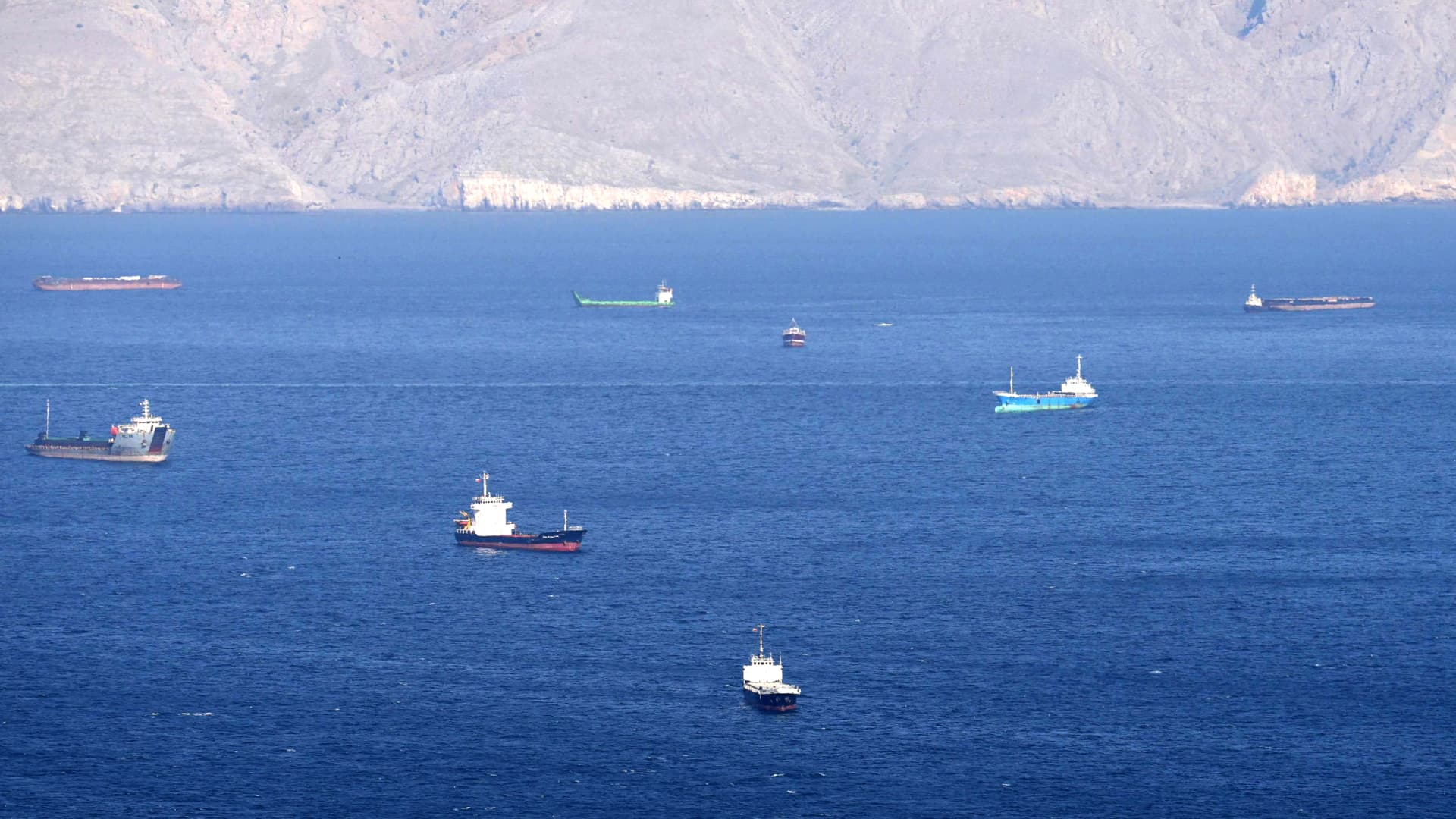
The Strait of Hormuz, a vital artery for the world’s energy supply, continues to face severe instability despite ongoing attempts to maintain a ceasefire. The waterway has transformed into a high-stakes zone of geopolitical friction, characterized by a persistent U.S. naval blockade and assertive maritime control by Iranian forces. This volatile environment has led to a dramatic reduction in commercial shipping, with current transit volumes representing only a small fraction of historical norms.
Recent maritime data underscores the severity of the situation, revealing that daily vessel traffic has collapsed from over 100 ships to as few as eight. This decline is fueled by a standoff between regional and international powers, marked by the interception of container vessels and direct military confrontations. Iranian authorities have indicated that the restoration of normal transit operations remains unlikely as long as the current naval blockade persists, leaving international shipping companies in a state of extreme caution.
Historically, the Strait of Hormuz has been responsible for the transit of approximately 20% of the world’s crude oil. The current bottleneck has created a significant disruption in global supply chains that experts suggest will require months to rectify. Even if transit activity begins to recover, the delay between shipping and refinery processing ensures that the global energy market will experience the aftershocks of this crisis well into the summer months.
Key Takeaways
- Daily vessel traffic through the Strait of Hormuz has dropped to roughly 8% of pre-conflict levels.
- Geopolitical tensions, including a U.S. naval blockade and Iranian military interceptions, continue to pose significant risks to commercial shipping safety.
- Global energy supply chains are expected to face disruptions for months, with a full recovery of transit volumes unlikely before mid-summer.
Editor’s Analysis & Impact
The ongoing crisis in the Strait of Hormuz serves as a stark reminder of the fragility of global energy infrastructure. By controlling a critical maritime chokepoint, the current conflict creates an artificial scarcity that reverberates through global commodity markets, leading to sustained price volatility and surging insurance premiums for the shipping industry. The persistence of these disruptions, despite ceasefire efforts, indicates that the underlying geopolitical impasse is far from a resolution. Looking ahead, this instability may force nations to accelerate the diversification of energy sources or invest in costlier alternative transport routes to mitigate the risks associated with this vulnerable chokepoint. Until a durable diplomatic framework is established, the region will remain a primary flashpoint capable of triggering sudden, sharp spikes in global oil prices.
Frequently Asked Questions
Q: Why is the Strait of Hormuz considered so important to the global economy?
A: The Strait of Hormuz is a critical maritime chokepoint that facilitates the transport of approximately 20% of the world's total crude oil supply, making it essential for global energy stability.
Q: How has the current conflict impacted daily shipping traffic?
A: Shipping traffic has plummeted significantly; while the strait typically sees over 100 ships pass through daily, recent data indicates that traffic has dropped to as few as eight vessels per day.
AI Disclosure: This article is based on verified data and official reports. Our Team and AI have cross-referenced every financial detail with primary sources to ensure total accuracy.
More from this Category