Health Secretary Calls for Industry-Led Halt on Junk Food Advertising
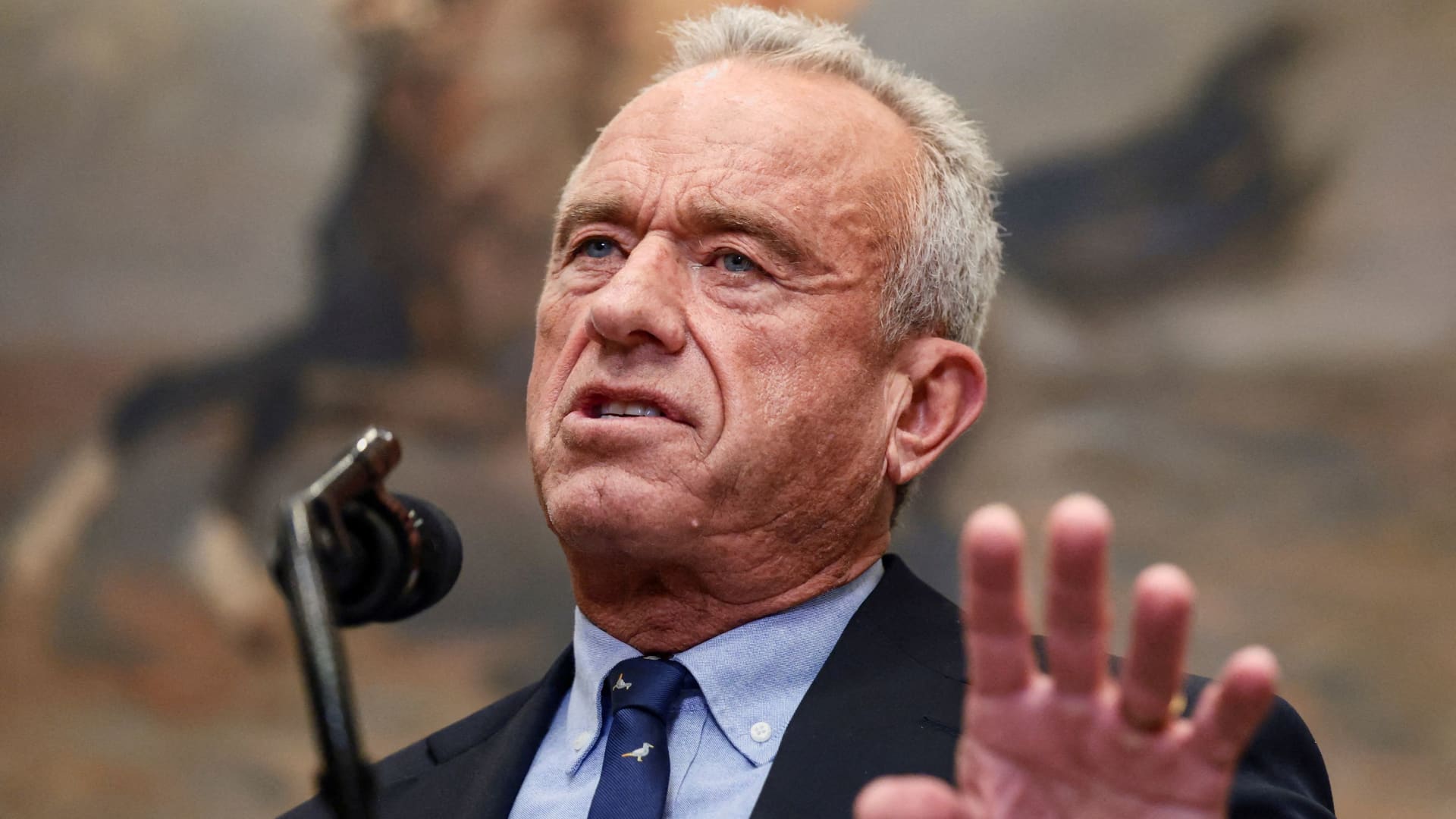
United States Health and Human Services Secretary Robert F. Kennedy Jr. has formally called upon the food industry to voluntarily stop advertising unhealthy products on television. During a recent Senate Health, Education, Labor, and Pensions (HELP) Committee hearing, Kennedy argued that a self-regulated approach would be more efficient and face less friction than a government-imposed mandate, which he expects would trigger significant pushback from major food manufacturers.
Drawing a comparison to the tobacco industry’s historic decision to pull television advertisements, Kennedy suggested that a similar collaborative framework could be instrumental in addressing the nation’s growing dietary health crisis. He emphasized that the long-term health consequences of poor nutrition may eventually eclipse those linked to smoking, necessitating a shift in how food companies engage with consumers. This sentiment echoes broader discussions within the current administration, where officials are exploring ways to curb the marketing of non-nutritious items to younger audiences.
Data highlights the scale of the challenge, with research indicating that food and beverage companies spend nearly $14 billion annually on advertising in the U.S., the vast majority of which promotes fast food, sugary drinks, and processed snacks. Despite previous industry-led pledges to limit marketing to children, recent studies suggest that minors are still exposed to roughly 1,000 commercials for unhealthy products annually. As the administration continues its ‘Make America Healthy Again’ initiative, the focus remains on whether voluntary industry cooperation can yield meaningful results or if more stringent regulatory oversight will be required to protect public health.
Key Takeaways
- HHS Secretary Robert F. Kennedy Jr. is pushing for a voluntary industry-wide ban on television advertisements for unhealthy food products.
- The proposed model draws inspiration from the tobacco industry's historical self-regulation of television marketing.
- Despite existing voluntary initiatives, children remain exposed to thousands of advertisements for unhealthy food and drinks every year.
Editor’s Analysis & Impact
The push for voluntary advertising restrictions represents a strategic pivot in public health policy, attempting to balance corporate interests with the urgent need to combat chronic diet-related diseases. By framing this as a ‘voluntary’ initiative, the administration is attempting to avoid the protracted legal battles typically associated with federal mandates. However, the industry’s track record—specifically the failure of previous self-regulatory pledges to significantly reduce children’s exposure to junk food marketing—suggests that voluntary measures may lack the teeth required for systemic change. If the food industry fails to adopt these recommendations, it is highly likely that the administration will pivot toward more aggressive regulatory action via the FTC and HHS, potentially setting the stage for a major confrontation between federal health regulators and the processed food sector.
Frequently Asked Questions
Q: Why is the Health Secretary advocating for a voluntary ban rather than a government mandate?
A: Secretary Kennedy believes that a voluntary approach will encounter less resistance from major food manufacturers and can be implemented more efficiently than a government-mandated prohibition, which would likely face significant legal and political opposition.
Q: Have voluntary advertising restrictions worked in the past?
A: Evidence suggests limited success; despite industry pledges made two decades ago, recent studies show that children are still exposed to approximately 1,000 television commercials for unhealthy food and drinks annually.
AI Disclosure: This article is based on verified data and official reports. Our Team and AI have cross-referenced every financial detail with primary sources to ensure total accuracy.
More from this Category