Zimbabwe Faces Political Crisis Over Proposed Constitutional Overhaul
Zimbabwe is currently navigating a period of intense political instability as the ruling Zanu-PF party pushes forward with a series of sweeping constitutional amendments. These proposed changes aim to fundamentally restructure the nation’s governance, most notably by replacing direct presidential elections with a system where the head of state is appointed by Parliament. This shift represents a significant departure from the current electoral framework and has triggered a heated national debate regarding the future of democratic representation and the fundamental rights of the electorate.
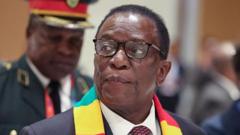
Beyond the change in leadership selection, the legislation seeks to extend both presidential and parliamentary terms from five years to seven. If enacted, this extension would effectively push the next general election from 2028 to 2030. Opponents of the bill argue that these measures are clear attempts to consolidate executive power and secure the long-term tenure of President Emmerson Mnangagwa, thereby bypassing the traditional democratic mandate of the people.
The legislative push has been met with growing social unrest and reports of intimidation. During public consultation sessions, there have been documented instances of violence, leading civil society organizations to sound the alarm over the suppression of political dissent. While government officials defend the amendments as necessary for national stability, critics warn that the legislation threatens to dismantle the democratic safeguards established in the 2013 constitution, potentially steering the country toward a more authoritarian governance model.
Key Takeaways
- The ruling Zanu-PF party is proposing to replace direct presidential elections with a parliamentary appointment system.
- Proposed amendments include extending presidential and parliamentary terms to seven years, delaying the next election until 2030.
- Civil society groups have reported significant intimidation and violence during public hearings regarding the constitutional changes.
Editor’s Analysis & Impact
The proposed constitutional amendments in Zimbabwe represent a critical juncture for the nation’s democratic trajectory. By moving toward a parliamentary appointment system and extending term limits, the ruling party is signaling a shift toward centralized executive control, which risks undermining the institutional checks and balances established in 2013. From an economic perspective, this move is likely to exacerbate investor uncertainty; international markets typically react negatively to the erosion of democratic norms, which can lead to capital flight and reduced foreign direct investment. Furthermore, the potential for diplomatic friction with the international community could result in renewed sanctions or isolation. The long-term outlook suggests that if these changes are implemented, Zimbabwe may face a period of prolonged political volatility, making the path to sustainable economic recovery and institutional trust increasingly difficult to navigate.
Frequently Asked Questions
Q: How would the proposed legislation alter the presidential election process?
A: The legislation proposes replacing direct public elections for the presidency with a system where the head of state is appointed by members of Parliament.
Q: What are the implications of extending presidential and parliamentary terms to seven years?
A: Extending the terms from five to seven years would allow current officials to remain in power longer and would delay the next general election, originally set for 2028, until 2030.
AI Disclosure: This article is based on verified data and official reports. Our Team and AI have cross-referenced every financial detail with primary sources to ensure total accuracy.
More from this Category