Political Firestorm Erupts Following Jensen Huang’s Swift Return to Nvidia
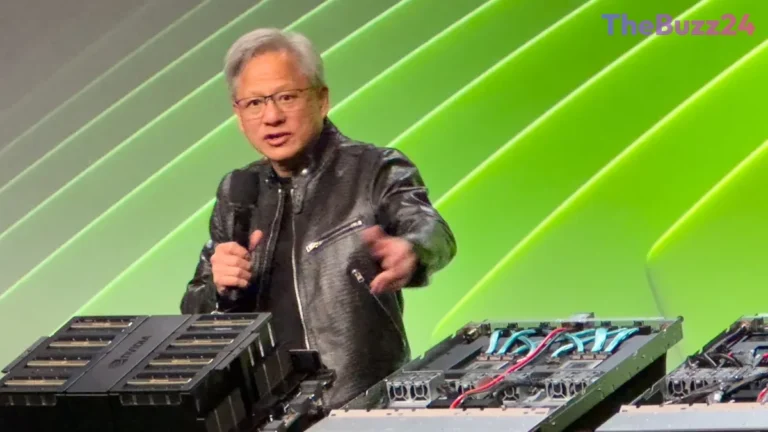
Nvidia co-founder Jensen Huang has officially resumed his role as chief executive officer, just weeks after stepping down amid revelations regarding his personal life and potential security vulnerabilities. The board’s decision to reinstate Huang follows intense lobbying from the White House, immediately triggering sharp backlash from lawmakers across the political aisle who argue the move compromises national security.
The controversy centers around investigations into Huang’s past associations, specifically an affair with an individual suspected of intelligence-gathering ties to China. Critics within Congress have questioned the speed of the board’s internal review, arguing that vital questions regarding export controls, advanced artificial intelligence chips, and potential corporate espionage remain unanswered.
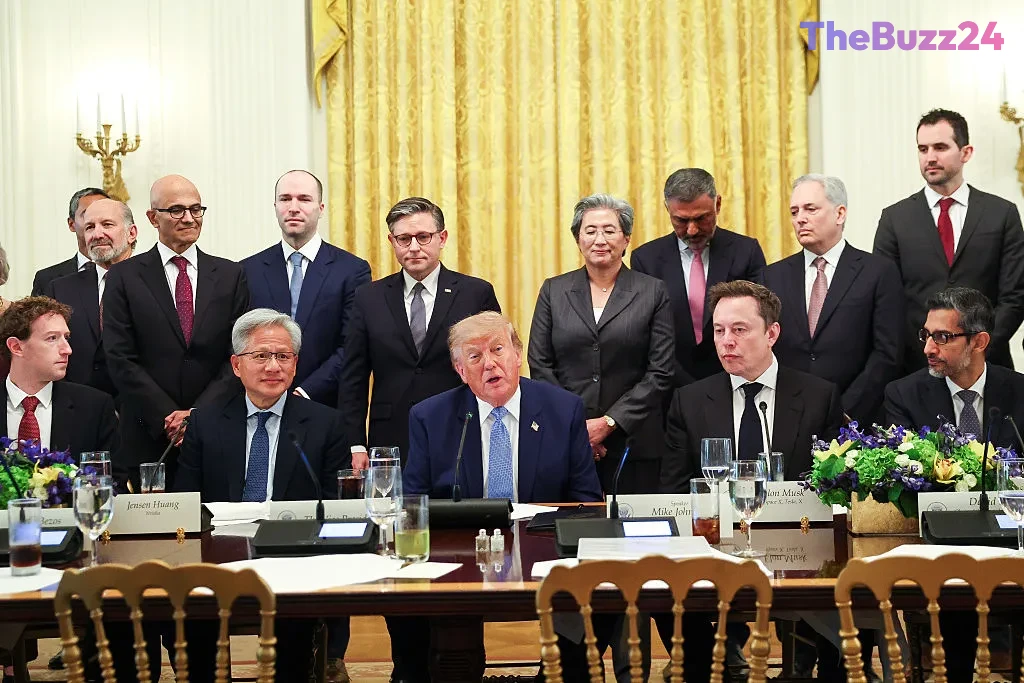
President Trump openly championed Huang’s return, utilizing social media and public remarks to defend the executive’s leadership amid market pressures. However, lawmakers are vowing to launch aggressive congressional inquiries. Huang is expected to face rigorous questioning in upcoming hearings before multiple House and Senate committees, where legislators plan to scrutinize both Nvidia’s governance and the administration’s involvement in corporate leadership decisions.
As the political fallout widens, the situation highlights the complex intersection of national security, global technology dominance, and executive accountability. With upcoming congressional sessions promising intense oversight, the controversy surrounding Nvidia’s leadership transition is expected to remain a focal point of legislative debate over foreign technology access and domestic market regulation.
Key Takeaways
- Jensen Huang has been reinstated as CEO of Nvidia following a brief departure prompted by personal misconduct and security inquiries.
- The White House heavily pressured corporate leadership to bring Huang back, citing economic stability and market demands.
- Lawmakers from both parties have condemned the decision, announcing upcoming congressional hearings to investigate national security implications and chip sales to China.
Editor’s Analysis & Impact
The rapid reinstatement of Jensen Huang at Nvidia underscores the profound tension between corporate economic dominance and national security imperatives in the artificial intelligence era. As semiconductors become the new geopolitical oil, the entanglement of private sector leadership with foreign intelligence risks creates a precarious landscape for policymakers. Nvidia’s indispensable role in the global AI infrastructure makes it ‘too big to fail’ in the eyes of markets, yet this status invites unprecedented regulatory scrutiny. The impending congressional hearings will likely set a watershed precedent for how government interacts with critical tech monopolies, potentially reshaping export controls, executive oversight, and corporate governance standards for years to come.
Frequently Asked Questions
Q: Why did Jensen Huang step down initially?
A: Huang temporarily stepped down following revelations of extramarital affairs, including a relationship with an individual suspected of being a foreign intelligence asset.
Q: What role did the White House play in his return?
A: President Trump and administration officials actively lobbied for Huang's reinstatement, arguing that his leadership is vital for Nvidia's market performance and the broader U.S. technology sector.
Q: What are the next steps for Congress regarding this controversy?
A: Lawmakers have scheduled multiple House and Senate committee hearings to question Huang and Nvidia board members regarding national security risks, export compliance, and foreign technology access.
AI Disclosure: This article is based on verified data and official reports. Our Team and AI have cross-referenced every financial detail with primary sources to ensure total accuracy.
More from this Category