Powering the AI Revolution: Why Solar and Battery Storage Hold the Key to Future Data Centers
The explosive growth of artificial intelligence has triggered an unprecedented surge in electricity demand, turning power infrastructure into one of the most critical bottlenecks of the tech industry. For years, the domestic power grid experienced minimal growth, but the rapid expansion of machine learning infrastructure has forced utilities to absorb several gigawatts of new load annually. To cope with immediate deficits, many operators have resorted to acquiring and leasing natural gas generators. However, industry experts argue that fossil fuels alone cannot support the long-term trajectory of the sector.
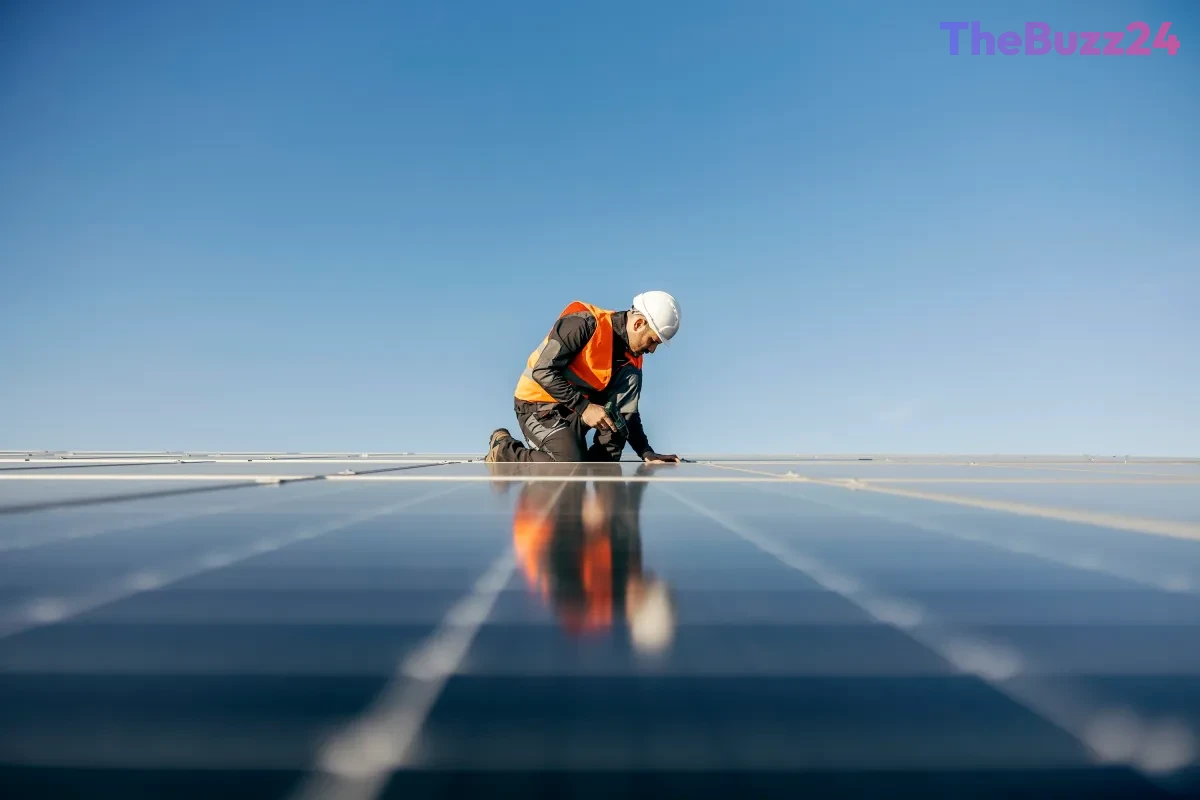
Analyzing the future of data center architecture reveals that combining solar energy with advanced battery storage offers a vastly superior path forward. Unlike traditional power plants, which face severe supply chain constraints and lengthy manufacturing timelines, solar technology benefits from massive global production capacity that exceeds a terawatt annually. By leveraging manufacturing efficiencies and modular scalability, renewable energy and storage solutions can be deployed with unprecedented speed and economic viability, outperforming traditional infrastructure buildouts.
Looking ahead, a major shift is underway toward establishing large-scale, off-grid data centers powered entirely by renewables and long-duration storage systems. This approach allows developers to bypass traditional grid connection bottlenecks, lengthy permitting processes, and localized regulatory hurdles. While emerging storage technologies—such as thermal and iron-air batteries—are still maturing, they are rapidly reducing costs per megawatt-hour. Industry stakeholders must proactively integrate these modular systems into their strategic planning now to remain competitive as the artificial intelligence landscape continues its relentless expansion.
Key Takeaways
- AI data center electricity demand is rapidly outpacing traditional U.S. grid capacity growth.
- Solar power and modular energy storage offer significantly faster manufacturing and deployment timelines compared to natural gas.
- Transitioning to off-grid renewable data centers helps developers bypass traditional grid bottlenecks and complex regulatory permitting.
Editor’s Analysis & Impact
The intersection of artificial intelligence and energy infrastructure represents one of the most critical investment theses of this decade, with projected data center expenditures expected to exceed $4 trillion by 2030. As hyperscalers and specialized operators grapple with power scarcity, the heavy reliance on natural gas serves merely as a short-term bridge. The structural pivot toward off-grid, renewable-powered facilities utilizing long-duration energy storage could fundamentally decouple tech expansion from utility constraints. This evolution not only highlights the economic maturity of solar and advanced battery technologies like thermal and iron-air systems, but it also signals a profound decentralization of industrial energy consumption. Companies that successfully architect modular, self-sustaining power ecosystems will likely dominate the next era of computing infrastructure, avoiding the costly delays associated with traditional grid interconnections.
Frequently Asked Questions
Q: Why are AI data centers facing power supply challenges?
A: The rapid deployment of artificial intelligence infrastructure has caused electricity demand to skyrocket faster than the U.S. grid can naturally expand, creating severe power supply bottlenecks.
Q: What are the advantages of using solar and energy storage for data centers?
A: Solar and modular energy storage can be manufactured and deployed at a massive scale much faster than traditional power plants, offering superior economics, speed, and independence from the main electrical grid.
Q: What does it mean for a data center to go 'off-grid'?
A: Going off-grid means building data centers with their own dedicated renewable generation and storage capacity, allowing them to operate independently of traditional utility grids and bypass complex permitting constraints.
AI Disclosure: This article is based on verified data and official reports. Our Team and AI have cross-referenced every financial detail with primary sources to ensure total accuracy.
More from this Category