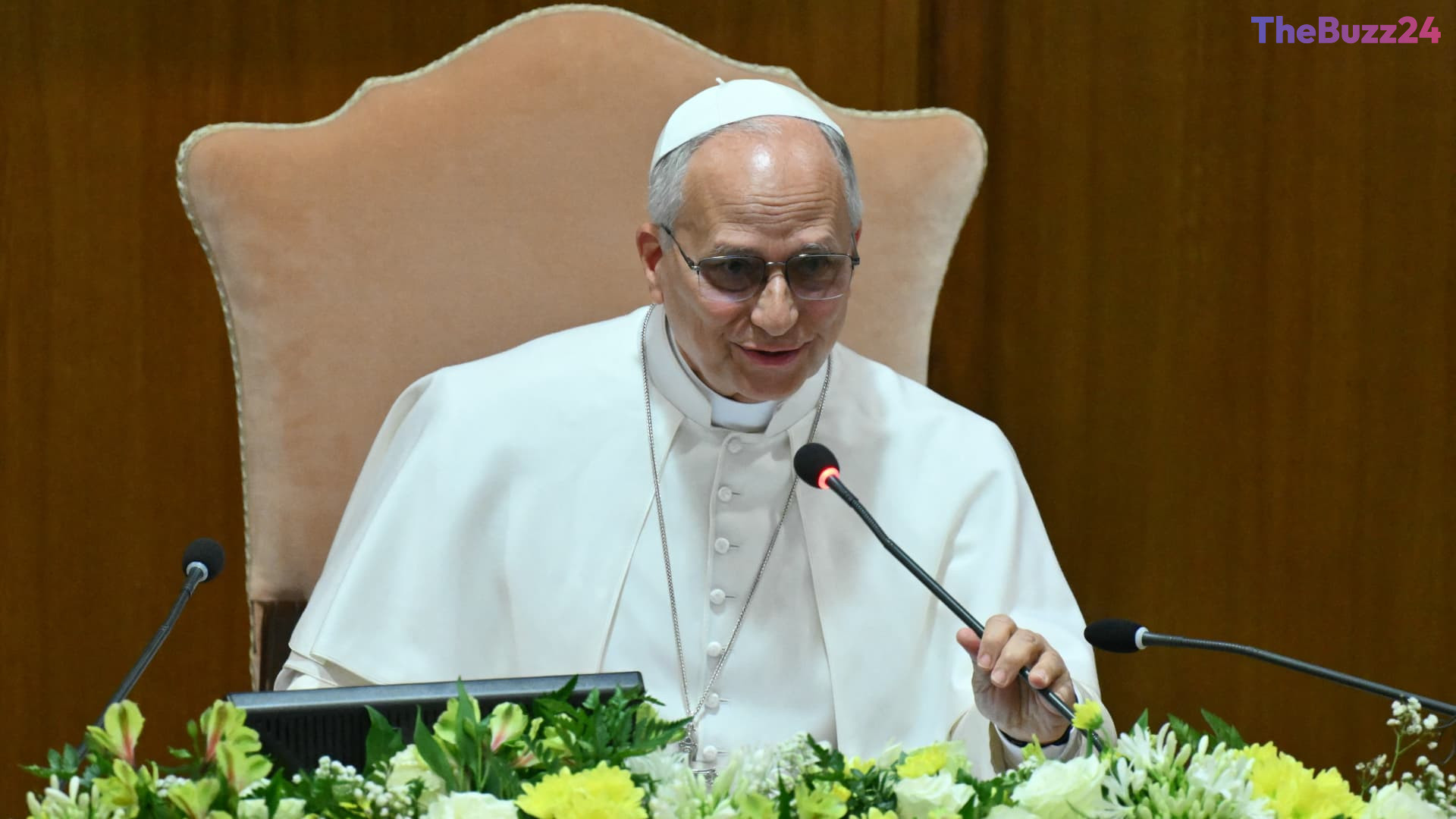
Pope Leo Challenges Global Tech Trajectory and Repudiates ‘Just War’ Doctrine
In a comprehensive new encyclical titled ‘Magnificent Humanity,’ Pope Leo has issued a profound critique of the current trajectory of artificial intelligence, warning that unchecked technological advancement poses significant risks to global stability. The pontiff highlighted the dangers of autonomous weaponry, noting that certain systems have already surpassed the threshold of effective human oversight. He is calling on international leaders to establish rigorous legal frameworks and independent regulatory bodies to ensure that AI development remains aligned with human safety and ethical standards.
Beyond the digital landscape, the document introduces a major shift in theological and ethical positioning by formally rejecting the ‘just war’ theory. Historically used to provide moral justification for military intervention, the doctrine is now deemed obsolete by the Vatican. Pope Leo argued that the reliance on armed conflict consistently leads to humanitarian disasters and suggested that political leaders often use war as a diversion from domestic crises, urging a pivot toward diplomacy and a reduction in the influence of the global arms industry.
Addressing the socioeconomic costs of the digital revolution, the encyclical draws a sharp parallel between modern labor practices and historical injustices. The Pope condemned the ‘new forms of slavery’ embedded within the supply chains for rare earth minerals and hardware manufacturing, which are essential for sustaining global computational power. In a moment of historical accountability, he also issued a formal apology for the Church’s past failure to condemn transatlantic slavery, describing it as a profound scar on history.
Concluding his extensive address, Pope Leo emphasized that the pursuit of technological dominance must not come at the expense of human dignity. The document, which incorporated perspectives from industry experts like Anthropic co-founder Chris Olah, serves as a rallying cry for policymakers and the public to prioritize the common good over rapid, unregulated innovation. The Pope insisted that the challenges posed by modern technology are not insurmountable, provided there is a collective commitment to ethical governance.
Key Takeaways
- Pope Leo has called for strict global regulation of AI, citing the existential risks posed by autonomous weapons systems.
- The Vatican has formally repudiated the 'just war' doctrine, arguing that it is an outdated concept that facilitates unnecessary violence.
- The encyclical highlights the human rights abuses in the tech supply chain, specifically regarding the labor used to extract rare earth elements.
Editor’s Analysis & Impact
This encyclical represents a significant intersection of traditional moral authority and modern technological ethics. By linking the development of frontier AI to the historical exploitation of labor, the Vatican is attempting to reframe the tech industry’s ‘innovation at all costs’ narrative as a human rights issue. The formal rejection of the ‘just war’ doctrine is particularly impactful, as it removes a long-standing moral crutch for state-sanctioned violence, potentially influencing international political discourse. For the tech sector, this signals an increasing pressure from non-governmental institutions to adopt ‘human-centric’ design principles. As AI labs face mounting scrutiny, the alignment of religious and ethical leaders with tech critics like Chris Olah suggests that the industry will struggle to maintain its current pace of development without addressing these deep-seated ethical and labor-related concerns.
Frequently Asked Questions
Q: What is the primary concern Pope Leo has regarding artificial intelligence?
A: The Pope is primarily concerned with the lack of human oversight in autonomous weaponry and the potential for AI to exacerbate misinformation and global conflict.
Q: Why did the Pope apologize in his new encyclical?
A: Pope Leo offered a formal apology for the Church’s historical delay in condemning transatlantic slavery, acknowledging it as a deep wound in Christian history.
AI Disclosure: This article is based on verified data and official reports. Our Team and AI have cross-referenced every financial detail with primary sources to ensure total accuracy.
More from this Category