Post-Midterm Political Shifts Open New Horizons for U.S. Gaming and Scrutiny for Prediction Markets
Recent political developments following midterm elections have fundamentally reshaped the strategic landscape for the U.S. gaming sector. Industry leaders note that shifts in state leadership and legislative control have created unprecedented pathways for potential gambling expansion, with Texas widely regarded as the ultimate prize for major casino operators. The defeat of long-standing political obstacles in key states has energized major players like Wynn Resorts, Penn Entertainment, and Las Vegas Sands as they eye lucrative new markets and infrastructure investments.
Texas stands out as a focal point for prospective development, drawing intense interest from major stakeholders aiming to tap into a massive consumer base currently traveling out-of-state for entertainment. Beyond Texas, political shifts in states like Ohio and Georgia are sparking optimism regarding the future legalization of online casinos and state-regulated sports betting. Meanwhile, established operators are also benefiting from tighter regulatory crackdowns on unregulated skill-based gaming machines in select jurisdictions, providing a clearer operational runway for licensed brick-and-mortar facilities.
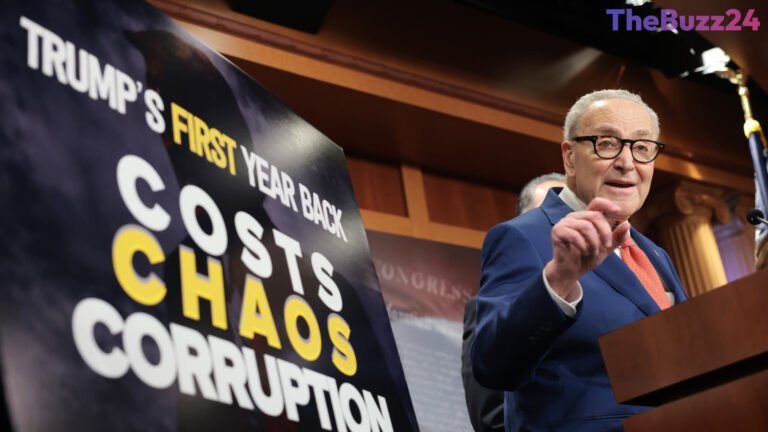
However, the changing political tides are not without friction. While traditional casino and sports-betting operators celebrate potential market openings, prediction-market platforms are bracing for a wave of heightened regulatory and legal scrutiny. Democratic gains in legislative bodies and among state attorneys general are expected to ramp up investigations into prediction-market operations. Industry advocates for traditional gaming continue to push back against these emerging platforms, citing concerns over unlicensed operations, while prediction-market defenders emphasize their utility and compliance frameworks amid mounting legal challenges across multiple states.
Key Takeaways
- Recent midterm election outcomes have transformed the U.S. gambling landscape, creating fresh opportunities for market expansion in states like Texas.
- Major gaming corporations are actively positioning themselves to leverage state leadership changes and push for legalized casinos and digital betting.
- Prediction markets face an impending wave of heightened political scrutiny, civil investigations, and potential state-level criminal charges from newly empowered officials.
Editor’s Analysis & Impact
The post-midterm political realignment introduces a dual narrative for the broader wagering and entertainment ecosystem. On one hand, traditional brick-and-mortar casino operators and regulated sports-betting giants stand to benefit significantly from shifting state leadership, which could finally unlock high-value markets like Texas and accelerate iGaming approvals. On the other hand, the meteoric rise of prediction markets has placed them directly in the crosshairs of aggressive regulatory bodies and traditional gaming lobbies. As compliance pressures mount and state attorneys general inherit or initiate legal battles against alternative prediction platforms, the industry’s future will likely hinge on institutional-grade transparency and robust consumer-protection frameworks. Long-term, this dynamic points toward a more heavily scrutinized yet potentially more expansive legal wagering economy across the United States.
Frequently Asked Questions
Q: Why is Texas considered such an important market for the casino industry?
A: Texas represents a massive consumer base that currently travels to neighboring states, such as Oklahoma, for gaming entertainment. Legalizing casinos and sports betting there would unlock immense revenue potential for major hospitality and gaming companies.
Q: How are prediction markets impacted by the recent political changes?
A: Democratic victories and changes in congressional and state leadership are expected to increase political and legal scrutiny on prediction-market operators, leading to potential federal legislation, civil investigations, and state-level criminal challenges.
AI Disclosure: This article is based on verified data and official reports. Our Team and AI have cross-referenced every financial detail with primary sources to ensure total accuracy.
More from this Category