Financial Stability at Risk: Regulators and Banking Leaders Meet to Address AI-Driven Cyber Threats
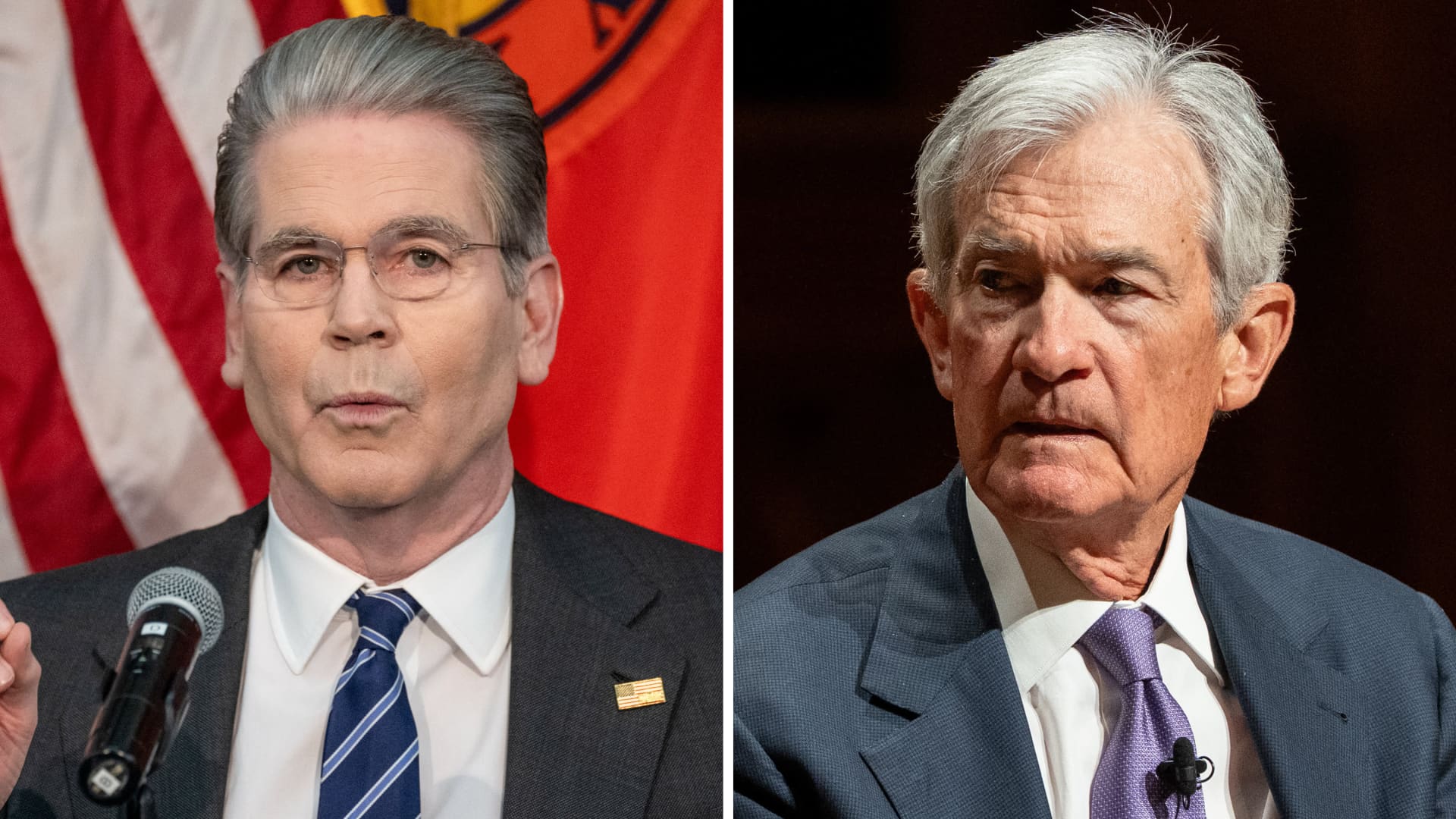
Federal regulators and the heads of America’s largest financial institutions have convened in Washington, D.C., to address the escalating cybersecurity risks posed by advanced artificial intelligence. The high-level discussions, led by Federal Reserve Chairman Jerome Powell and Treasury Secretary Scott Bessent, focused on the potential for sophisticated AI models to be weaponized by malicious actors, threatening the stability of the U.S. financial system.
A primary concern during the session was the emergence of Anthropic’s new Mythos model. While the model offers significant technological advancements, its dual-use nature—possessing both offensive and defensive cyber capabilities—has raised alarms. The meeting included top executives from Bank of America, Citigroup, Goldman Sachs, Morgan Stanley, and Wells Fargo, though JPMorgan Chase CEO Jamie Dimon was notably absent from the proceedings.
Anthropic has recently introduced the Claude Mythos Preview under restricted conditions to manage these inherent risks. The company is currently engaged in cybersecurity collaborations, such as Project Glasswing, alongside industry giants including Apple, Google, Microsoft, and Nvidia. However, the company continues to face scrutiny and legal disputes with the Department of Defense regarding its potential classification as a national security risk.
The intersection of artificial intelligence and national security has become a critical priority for the current administration. As hackers increasingly utilize AI to automate and scale cyberattacks, the need for standardized safeguards and robust regulatory frameworks has never been more urgent. Protecting global financial networks now requires a coordinated effort between technology developers, financial institutions, and federal agencies.
Key Takeaways
- Federal regulators and major U.S. banks are coordinating to mitigate cybersecurity risks posed by advanced AI models.
- Anthropic's Mythos model is a central focus due to its potential for both offensive and defensive cyber operations.
- The meeting highlights the growing tension between AI development and national security concerns within the financial sector.
Editor’s Analysis & Impact
The convergence of advanced artificial intelligence and financial infrastructure represents a new frontier of systemic risk. The emergence of models like Anthropic’s Mythos highlights a ‘dual-use’ dilemma: the same technology that can fortify digital defenses can also be weaponized to automate sophisticated, large-scale cyberattacks. This meeting signals that the federal government no longer views AI as a purely technological issue, but as a core component of national and economic security. As banks integrate AI to streamline operations, they simultaneously expand their attack surface. The industry must move toward standardized, cross-sector security protocols—such as Project Glasswing—to prevent a single AI-driven breach from cascading through the global financial network. The ongoing tension between AI developers and the Department of Defense suggests that regulatory frameworks will likely become more stringent and intrusive in the near future.
Frequently Asked Questions
Q: What is the primary concern regarding the Mythos model?
A: The primary concern is its dual-use capability, meaning it can be used for both defending digital infrastructure and conducting sophisticated, automated cyberattacks.
Q: Which major financial institutions were involved in the discussions?
A: Executives from Bank of America, Citigroup, Goldman Sachs, Morgan Stanley, and Wells Fargo participated in the meeting to discuss AI-driven risks.
Q: How are tech companies working to mitigate AI risks?
A: Companies like Apple, Google, Microsoft, and Nvidia are collaborating on cybersecurity initiatives such as Project Glasswing to develop better safeguards.
AI Disclosure: This article is based on verified data and official reports. Our Team and AI have cross-referenced every financial detail with primary sources to ensure total accuracy.
More from this Category