Ireland Standoff: Fuel Shortages Intensify as Blockades Cripple Supply Chains
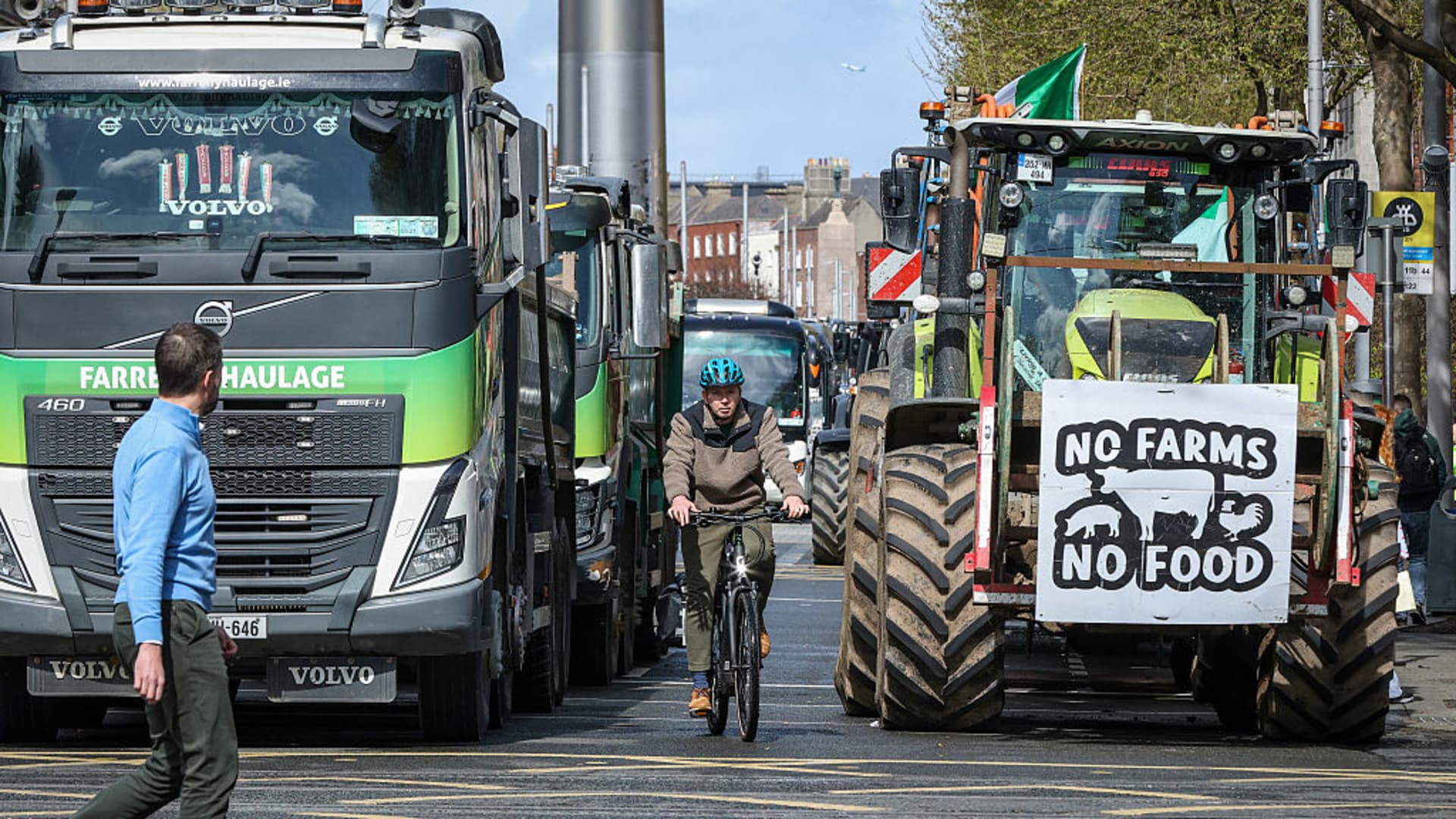
Ireland is currently experiencing a widespread fuel crisis as protests enter their fourth consecutive day, leaving petrol stations across the nation dry and causing massive traffic congestion in Dublin. Demonstrators have effectively paralyzed three of the country’s most critical oil refineries and distribution terminals, demanding that the government take more aggressive action to mitigate the surging costs of fuel, which have been exacerbated by geopolitical instability in the Middle East.
Taoiseach Micheál Martin has condemned the blockades, characterizing the disruption as an act of national sabotage. He emphasized the counterproductive nature of restricting fuel access during a period of extreme market volatility. In a move to signal the seriousness of the situation, the government has placed the military on standby, ready to intervene and clear the blockades to restore the flow of essential energy supplies to the public.
Although the government previously introduced a 250-million-euro relief package, which included excise duty reductions on petrol and diesel, protesters argue that these measures fail to address the severity of the economic burden on households and businesses. While officials are preparing to meet with industry representatives to discuss potential solutions, the groups orchestrating the blockades remain excluded from these negotiations. As the standoff persists, authorities face the difficult challenge of maintaining public order while addressing the underlying economic grievances of the population.
Key Takeaways
- Protesters have blockaded three major Irish oil refineries, leading to widespread fuel shortages and traffic gridlock.
- The Irish government has labeled the blockades as 'national sabotage' and placed the military on standby to potentially clear the sites.
- Despite existing government relief packages, protesters demand further intervention to combat rising fuel costs.
Editor’s Analysis & Impact
The situation in Ireland highlights the growing tension between public frustration over cost-of-living crises and the state’s responsibility to maintain critical infrastructure. By targeting energy supply chains, protesters have successfully forced the government into a corner, creating a high-stakes standoff that tests the limits of civil disobedience. The government’s decision to put the military on standby suggests that authorities are nearing the end of their patience, prioritizing the restoration of national supply chains over further negotiation with the blockade organizers. Moving forward, this incident could set a precedent for how the state handles future economic protests. If the government fails to provide a sustainable long-term solution to energy affordability, the risk of similar disruptive actions spreading to other sectors remains high, potentially leading to further political instability and economic strain.
Frequently Asked Questions
Q: Why are protesters blockading fuel refineries in Ireland?
A: Protesters are demanding more significant government intervention to address the rising cost of fuel, which they argue has not been sufficiently mitigated by current relief measures.
Q: What is the government's response to the fuel blockades?
A: The government has condemned the actions as 'national sabotage' and has placed the military on standby to potentially clear the blockades and restore the fuel supply.
AI Disclosure: This article is based on verified data and official reports. Our Team and AI have cross-referenced every financial detail with primary sources to ensure total accuracy.
More from this Category