Diplomatic Crossroads: US and Iran Face Stalled Progress in Islamabad Peace Talks
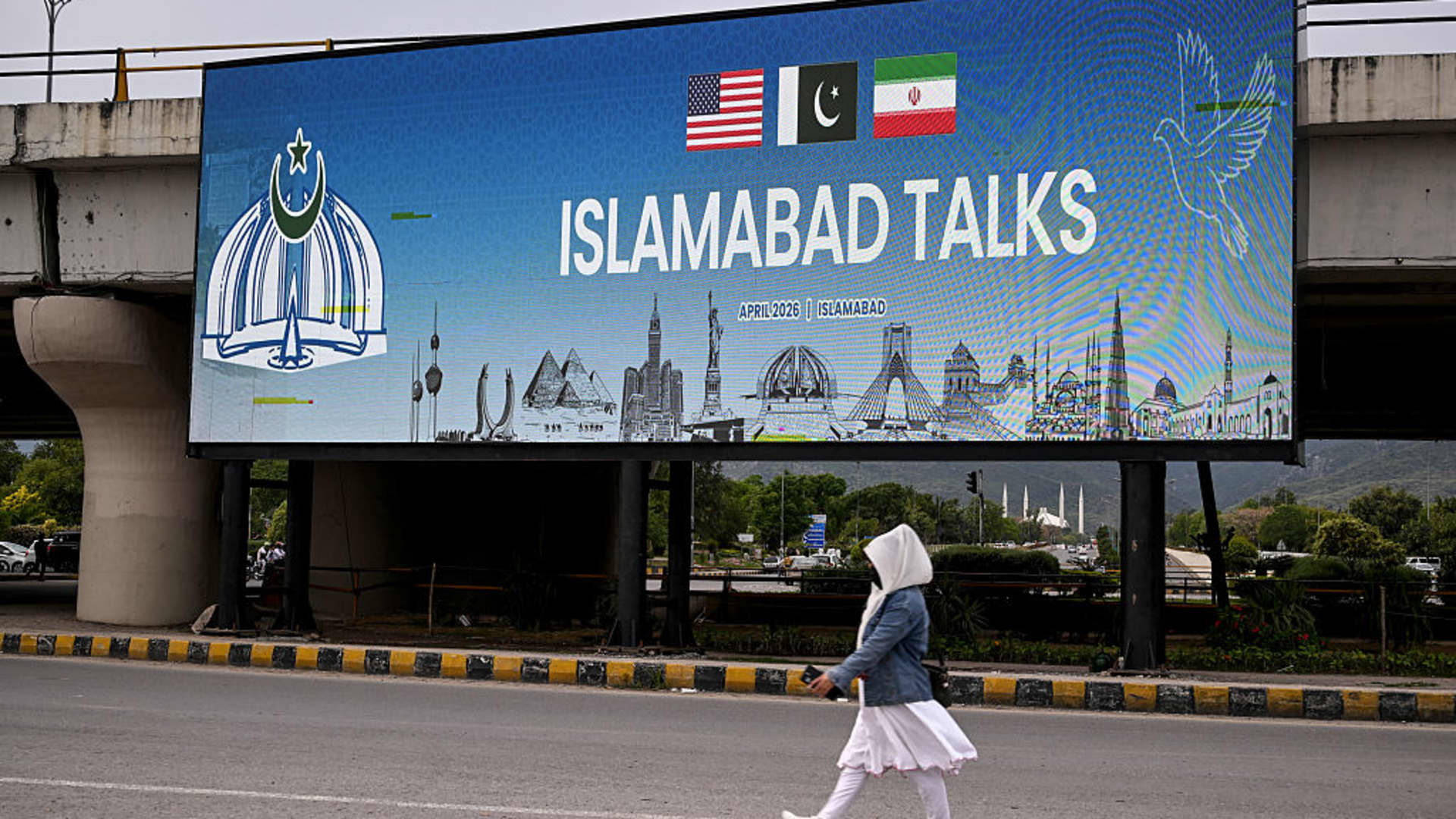
Diplomatic delegations from the United States and Iran are gathering in Islamabad this Saturday to attempt to stabilize a fragile two-week ceasefire. Despite the high-level meeting, the path toward a sustainable peace remains obstructed by conflicting interpretations of the truce’s scope and ongoing military activity in the region. Tehran has voiced strong opposition to continued Israeli operations in Lebanon, labeling them a direct violation of the agreement, while Israel maintains that its northern border activities were never included in the initial ceasefire terms.
The situation is further complicated by Iran’s insistence that its regional allies are an inseparable part of any peace framework. While the Lebanese government has moved to open direct communication channels with Israel to mitigate the violence, the disagreement over the truce’s geographic boundaries remains a significant hurdle. Iranian leadership has warned that any perceived aggression against its allies will result in direct consequences, threatening to derail the delicate negotiations before they can gain momentum.
Beyond the immediate conflict, the talks are burdened by long-standing geopolitical disputes, specifically regarding the Strait of Hormuz and Iran’s nuclear program. Iran has proposed implementing a tolling system for vessels passing through the Strait of Hormuz, suggesting cryptocurrency payments to support domestic reconstruction. The United States has categorically rejected this, insisting that the waterway must remain an open, international transit zone. Furthermore, the two nations remain at an impasse over nuclear enrichment; Washington is demanding verifiable down-blending and international oversight, while Tehran continues to assert its right to maintain enrichment capabilities as a non-negotiable component of its national policy.
Key Takeaways
- Negotiations in Islamabad are struggling to reconcile conflicting definitions of the current ceasefire, particularly regarding military operations in Lebanon.
- Iran's proposal to levy cryptocurrency tolls on vessels in the Strait of Hormuz faces firm opposition from the U.S., which demands free and open access to the waterway.
- The nuclear enrichment debate remains a primary obstacle, with the U.S. pushing for strict international oversight and Iran defending its domestic enrichment rights.
Editor’s Analysis & Impact
The Islamabad talks represent a critical juncture in Middle Eastern diplomacy, yet the wide chasm between U.S. and Iranian objectives suggests that a comprehensive peace deal is unlikely in the near term. The inclusion of unconventional demands, such as cryptocurrency-based tolls for maritime transit, indicates that Iran is seeking to leverage its geographic position to bypass traditional economic sanctions. Conversely, the U.S. focus on nuclear non-proliferation and freedom of navigation reflects a commitment to maintaining the status quo in global energy security. The broader implication is a period of prolonged volatility; if these negotiations fail to produce a concrete framework, the risk of regional escalation—particularly involving proxy forces—remains high. Investors and policymakers should anticipate continued instability in energy markets and heightened geopolitical risk premiums until a verifiable agreement is reached.
Frequently Asked Questions
Q: Why is the Strait of Hormuz a point of contention in these talks?
A: The Strait of Hormuz is a vital maritime route for global oil and gas. Iran wants to control the passage and charge tolls, while the U.S. insists it must remain an open, international waterway.
Q: What is the main disagreement regarding the current ceasefire?
A: The primary conflict involves whether the ceasefire applies to military operations in Lebanon. Iran claims the truce is being violated by ongoing actions there, while Israel argues that Lebanon was not part of the original agreement.
AI Disclosure: This article is based on verified data and official reports. Our Team and AI have cross-referenced every financial detail with primary sources to ensure total accuracy.
More from this Category