Powering the Grid: Waymo Partners with B2U to Give Retired Robotaxi Batteries a Second Life
Autonomous vehicle pioneer Waymo has announced a strategic partnership with energy storage specialist B2U to repurpose retired batteries from its growing fleet of self-driving robotaxis. Under the new agreement, these second-life electric vehicle (EV) batteries will be integrated into stationary energy storage systems designed to support power grids in California and Texas. This initiative addresses a critical environmental and logistical challenge: managing the lifecycle of thousands of batteries as the company’s autonomous ride-hailing operations scale up across the United States.
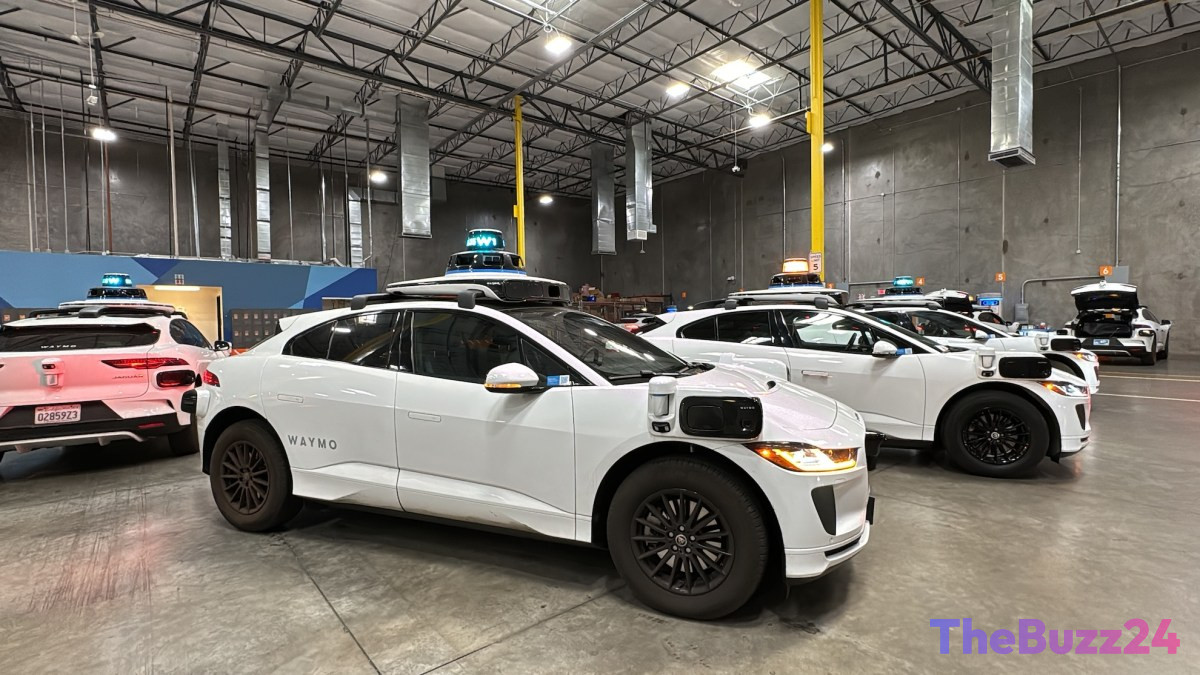
Currently, the vast majority of Waymo’s active fleet consists of Jaguar I-Pace electric SUVs, though the company has recently begun introducing custom-built vans from Chinese automaker Zeekr. As these vehicles accumulate mileage and their batteries degrade past the optimal threshold for high-performance driving, they remain highly capable of storing and discharging electricity for stationary applications. While specific financial terms were not disclosed, the collaboration is projected to eventually deploy hundreds of megawatts of storage capacity, bolstering grid reliability during peak demand periods.
The partnership highlights a growing trend toward battery repurposing, which delays the energy-intensive recycling process by extracting maximum utility from existing hardware. B2U is at the forefront of this movement, joining other prominent players like Redwood Materials—a recycling and materials company founded by former Tesla CTO JB Straubel and backed by Waymo’s parent company, Alphabet. By prioritizing second-life applications, companies are creating a more circular economy for EV components, reducing the immediate demand for raw mineral extraction.
Key Takeaways
- Waymo is partnering with B2U to repurpose retired robotaxi batteries for stationary grid storage in California and Texas.
- The initiative will utilize batteries from Waymo's fleet, which primarily consists of Jaguar I-Pace EVs and newly introduced Zeekr vans.
- The collaboration aims to deploy hundreds of megawatts of storage capacity, promoting a circular economy by extending battery lifespans before recycling.
Editor’s Analysis & Impact
The partnership between Waymo and B2U represents a significant milestone in the lifecycle management of electric vehicle batteries. As the autonomous vehicle sector transitions from pilot programs to commercial scale, the volume of retired batteries will surge. Repurposing these batteries for grid storage offers a double environmental dividend: it reduces the immediate demand for recycling and raw material extraction while providing critical support to fragile energy grids in states like Texas and California. This move also aligns with the broader strategy of Waymo’s parent company, Alphabet, which has previously backed battery recycling ventures like Redwood Materials. In the long term, establishing robust second-life pipelines will be crucial for EV fleet operators to offset depreciation costs and meet stringent corporate sustainability targets, setting a precedent for the entire automotive industry.
Frequently Asked Questions
Q: Why are robotaxi batteries being repurposed instead of recycled immediately?
A: Even when an EV battery's capacity degrades to the point where it is no longer optimal for driving, it still retains significant energy storage capacity. Repurposing these batteries for stationary grid storage extends their useful life by years, delaying the energy-intensive recycling process and maximizing the value of the materials.
Q: Which vehicles will supply the batteries for this project?
A: The batteries will primarily come from Waymo's fleet of Jaguar I-Pace electric SUVs, as well as the newer Zeekr vans that the company has recently started deploying.
Q: Where will these repurposed battery systems be deployed?
A: The second-life battery storage systems will be deployed to support the electrical grids in California and Texas, two states with high energy demands and growing renewable energy infrastructure.
AI Disclosure: This article is based on verified data and official reports. Our Team and AI have cross-referenced every financial detail with primary sources to ensure total accuracy.
More from this Category