Regional Tensions Surge as Military Strikes Hit Beirut and Southern Lebanon
A significant escalation in regional hostilities has unfolded following a series of precision military strikes across Lebanon, including a high-profile operation in the capital city of Beirut. The targeted action in the Dahieh suburb was reportedly aimed at neutralizing key leadership within the Imam Hossein Division, an Iranian-backed militia group operating in coordination with Hezbollah. This development marks a sharp departure from previous tactical engagements, signaling a more aggressive posture in the ongoing conflict.
The intensification of military activity follows the collapse of a tenuous ceasefire between Israel and Hezbollah, with both factions trading blame for repeated violations. In response to recent drone incursions targeting Israeli personnel and civilian areas, leadership has signaled an expansion of ground operations. This strategic shift aims to dismantle militia infrastructure, though it has simultaneously heightened the risk of a wider, multi-front regional confrontation.
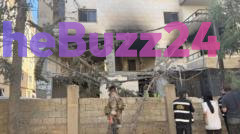
Beyond the capital, the impact of the conflict is being felt acutely in southern Lebanon, particularly in the cities of Tyre and Saida. Reports from the ground describe devastating scenes, with residential buildings struck and significant civilian casualties recorded. The humanitarian crisis is deepening as evacuation orders now encompass roughly 14% of Lebanese territory, forcing a mass displacement of residents toward the north. Local infrastructure and shelters are currently overwhelmed, struggling to accommodate the influx of people fleeing the violence.
As the situation deteriorates, international observers remain deeply concerned about the potential for further spillover. The involvement of regional powers and the failure of diplomatic mediation efforts have left the area in a precarious state, with the prospect of a broader war involving Iran looming over the geopolitical landscape.
Key Takeaways
- Military operations have expanded to include targeted strikes in Beirut, specifically hitting leadership within the Imam Hossein Division.
- The collapse of the ceasefire has led to an intensification of ground operations and widespread aerial bombardment in southern Lebanon.
- Approximately 14% of Lebanese territory is under evacuation orders, creating a severe humanitarian crisis as shelters reach maximum capacity.
Editor’s Analysis & Impact
The recent escalation in Lebanon represents a critical inflection point in Middle Eastern geopolitics. By targeting high-ranking militia officials within the capital, the military has signaled a move toward a ‘decapitation’ strategy, which inherently increases the likelihood of a retaliatory response from regional proxies. The breakdown of the ceasefire suggests that diplomatic channels have largely failed, leaving military force as the primary instrument of policy. Economically and strategically, this conflict threatens to destabilize energy corridors and trade routes, while the humanitarian fallout risks creating a long-term refugee crisis that could strain neighboring nations. The future outlook remains grim; without a renewed, robust international intervention, the risk of a direct, large-scale confrontation between regional powers continues to climb, potentially drawing in global stakeholders who have thus far remained on the periphery.
Frequently Asked Questions
Q: What is the primary objective of the recent strikes in Beirut?
A: The strikes in the Dahieh suburb of Beirut were aimed at high-ranking leadership within the Imam Hossein Division, an Iranian-backed militia allied with Hezbollah.
Q: How much of Lebanon is currently affected by evacuation orders?
A: Evacuation orders currently cover approximately 14% of Lebanese territory, forcing hundreds of towns and villages to relocate toward the north.
AI Disclosure: This article is based on verified data and official reports. Our Team and AI have cross-referenced every financial detail with primary sources to ensure total accuracy.
More from this Category