Predictable Parliamentary Polls in Russia Leave Key Questions Hanging Over Ukraine Conflict
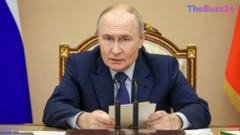
Russia’s recent parliamentary elections concluded with entirely expected outcomes as the ruling United Russia party secured a commanding majority in the State Duma. Despite enduring over four years of intense military conflict in Ukraine, subsequent economic strain, and recent infrastructure challenges caused by regional drone strikes, the political landscape remained firmly under Kremlin control. The victory ensures that the legislative branch will continue to operate in complete alignment with President Vladimir Putin’s administration, mirroring the conformity of the previous parliament.
The electoral process offered virtually no room for genuine opposition. The lone anti-war political group permitted to register, Yabloko, was disqualified by the Supreme Court merely days before the vote, allegedly due to concerns that its peace-oriented platform was gaining traction among weary citizens. Although a small faction of Yabloko candidates managed to remain on individual constituency ballots, party leadership reported severe intimidation, including the imprisonment of key figures, disqualifications, and the restriction of independent election observers. Consequently, none of the dissenting candidates secured legislative seats, leaving the new parliament devoid of any meaningful opposition.
Simultaneously, the electoral period unfolded against a backdrop of escalating security incidents, including large-scale drone strikes targeting the Moscow region and domestic oil refineries. Rather than triggering widespread panic, the attacks were met with stoic resignation among residents accustomed to the protracted nature of the conflict. Analysts suggest the Kremlin will leverage this tightly managed electoral mandate to project domestic unity and potentially justify future strategic decisions regarding the ongoing military campaign in Ukraine, leaving lingering public anxiety regarding potential future military mobilisations despite official denials.
Key Takeaways
- United Russia secured a dominant constitutional majority in the State Duma, maintaining absolute legislative loyalty to President Vladimir Putin.
- The sole anti-war party, Yabloko, was barred from the ballot shortly after registration, with its remaining independent candidates failing to win seats amid reported suppression.
- The Kremlin is expected to utilize the predictable election results as a popular mandate to sustain its ongoing military strategy in Ukraine.
Editor’s Analysis & Impact
The predictable outcome of Russia’s legislative elections underscores the absolute consolidation of political power within the Kremlin, effectively neutralizing any institutional checks and balances. For international markets and geopolitical observers, the primary concern shifts from the election itself to how the Russian leadership interprets this manufactured mandate. With the war in Ukraine entering its fifth year and compounding domestic economic pressures, the regime’s next policy moves—particularly regarding military resupply, mobilization risks, and energy infrastructure security—will dictate regional stability. While public resignation currently suppresses large-scale domestic dissent, the long-term sustainability of a wartime economy tightly coupled with autocratic governance presents persistent systemic risks for the region’s economic outlook.
Frequently Asked Questions
Q: Which party won the majority in the recent Russian parliamentary elections?
A: The ruling United Russia party, which is supported by President Vladimir Putin, secured a constitutional majority in the State Duma.
Q: What happened to the anti-war party Yabloko during the election?
A: Yabloko was initially permitted to participate but was removed from the party ballot by the Supreme Court twelve days later. Its remaining independent candidates failed to win any seats amid claims of systemic pressure and barred observers.
Q: How did recent security incidents affect the voting public?
A: Despite drone strikes targeting the Moscow region just before the final day of voting, residents showed little surprise, reacting with quiet resignation as the conflict entered its fifth year.
AI Disclosure: This article is based on verified data and official reports. Our Team and AI have cross-referenced every financial detail with primary sources to ensure total accuracy.
More from this Category