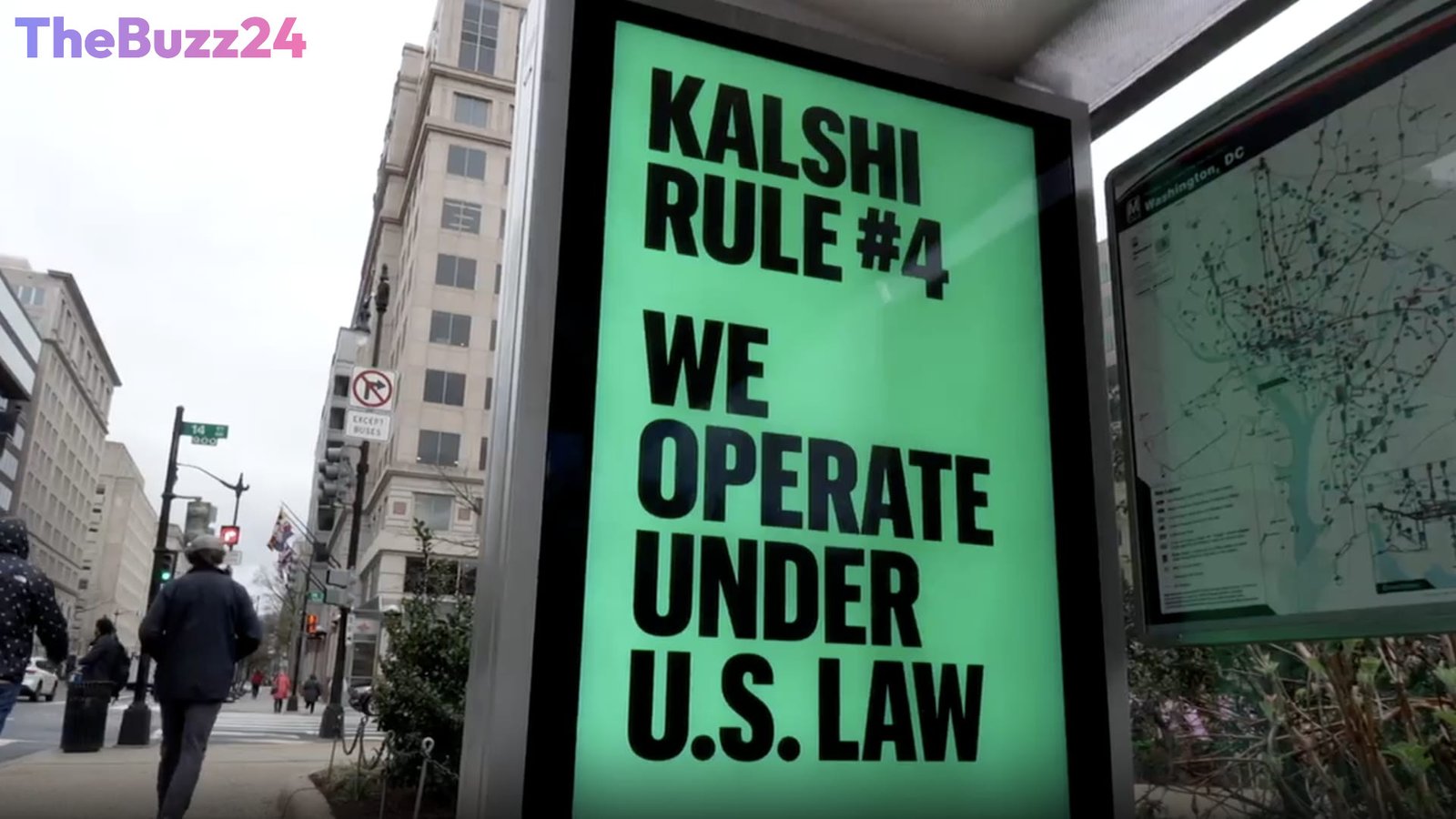
Prediction Market Legal Battles Escalate: Appeals Court Ruling Sets Stage for Supreme Court Showdown
Prediction market platforms have faced a significant legal setback as the 9th U.S. Circuit Court of Appeals ruled against classifying sports-related event contracts as “swaps.” This decision directly challenges the stance of platforms like Kalshi and Crypto.com, as well as the Commodity Futures Trading Commission (CFTC), which argue that such contracts are federal derivatives. Many states, however, maintain that these offerings constitute illegal gambling.
The ruling by the 9th Circuit contradicts an earlier decision by the 3rd U.S. Circuit Court of Appeals, which found that event contracts are indeed swaps under CFTC regulation. This divergence creates a direct conflict between federal circuits, making a Supreme Court intervention increasingly probable to resolve the jurisdictional dispute.
The 9th Circuit’s decision specifically rejected requests from prediction market platforms for injunctive relief against the Nevada Gaming Control Board. The court concluded that sports-related event contracts are not federal derivatives and thus fall outside the CFTC’s regulatory purview. This means Nevada can continue to assert its authority over these offerings, which the state views as gambling activities operating outside its established gaming framework.
Platforms like Kalshi and Crypto.com, along with Robinhood, which also offers event contracts, had sought to prevent state-level interference by arguing for federal oversight. The CFTC has actively supported this position, even suing several states to defend its asserted exclusive jurisdiction over prediction markets. However, the 9th Circuit’s opinion stated that “sports event contracts were not ‘swaps’ because they were sports bets,” directly refuting the platforms’ and the CFTC’s arguments.
Nevada’s Attorney General’s office hailed the ruling as a major victory, emphasizing that classifying sports betting as “event contracts” does not exempt it from state gaming laws. Meanwhile, a CFTC spokesperson expressed disappointment, arguing that the court incorrectly created a new exception to the Commodity Exchange Act, which generally defines swaps broadly. The legal landscape remains uncertain, with the differing circuit court opinions paving the way for a potential landmark Supreme Court case.
Key Takeaways
- The 9th U.S. Circuit Court of Appeals ruled that sports-related event contracts are not federal "swaps," contradicting a previous ruling by the 3rd Circuit.
- This decision creates a circuit split, making it highly likely that the case will be appealed to the Supreme Court for a final determination.
- The ruling is seen as a victory for states asserting regulatory authority over prediction markets as gambling, while prediction platforms and the CFTC argue for federal derivative regulation.
Editor’s Analysis & Impact
This appellate court ruling represents a significant development in the ongoing regulatory battle over prediction markets. By creating a circuit split, the decision elevates the stakes and makes a Supreme Court review almost inevitable. The core issue—whether these event contracts fall under federal derivative law or state gambling regulations—has profound implications for financial innovation and consumer protection. If the Supreme Court sides with the 9th Circuit, it could empower states to heavily regulate or ban prediction markets, potentially stifling a nascent industry. Conversely, a ruling in favor of federal oversight could legitimize these platforms under CFTC rules, but may still face challenges in defining the scope of permissible contracts. The market reaction, with sports betting stocks rising, suggests an industry anticipation of reduced competition from prediction markets.
Frequently Asked Questions
Q: What is the main disagreement regarding prediction market contracts?
A: The core disagreement is whether sports-related event contracts offered by prediction markets are considered federal financial derivatives (swaps) regulated by the CFTC, or if they are simply forms of gambling subject to state regulation.
Q: Why is a Supreme Court ruling likely?
A: A Supreme Court ruling is likely because two federal appeals courts (the 3rd Circuit and the 9th Circuit) have issued conflicting decisions on the same legal question, creating a 'circuit split.' The Supreme Court typically takes cases to resolve such disagreements.
Q: What are the potential implications of this ruling for prediction market platforms?
A: If the 9th Circuit's ruling is upheld, prediction market platforms could face significant regulatory hurdles and potential bans in many states, as they would be subject to state gambling laws rather than federal financial regulations. This could limit their operations and growth.
AI Disclosure: This article is based on verified data and official reports. Our Team and AI have cross-referenced every financial detail with primary sources to ensure total accuracy.
More from this Category