Prediction Markets Signal Prolonged Disruption in Strait of Hormuz Shipping
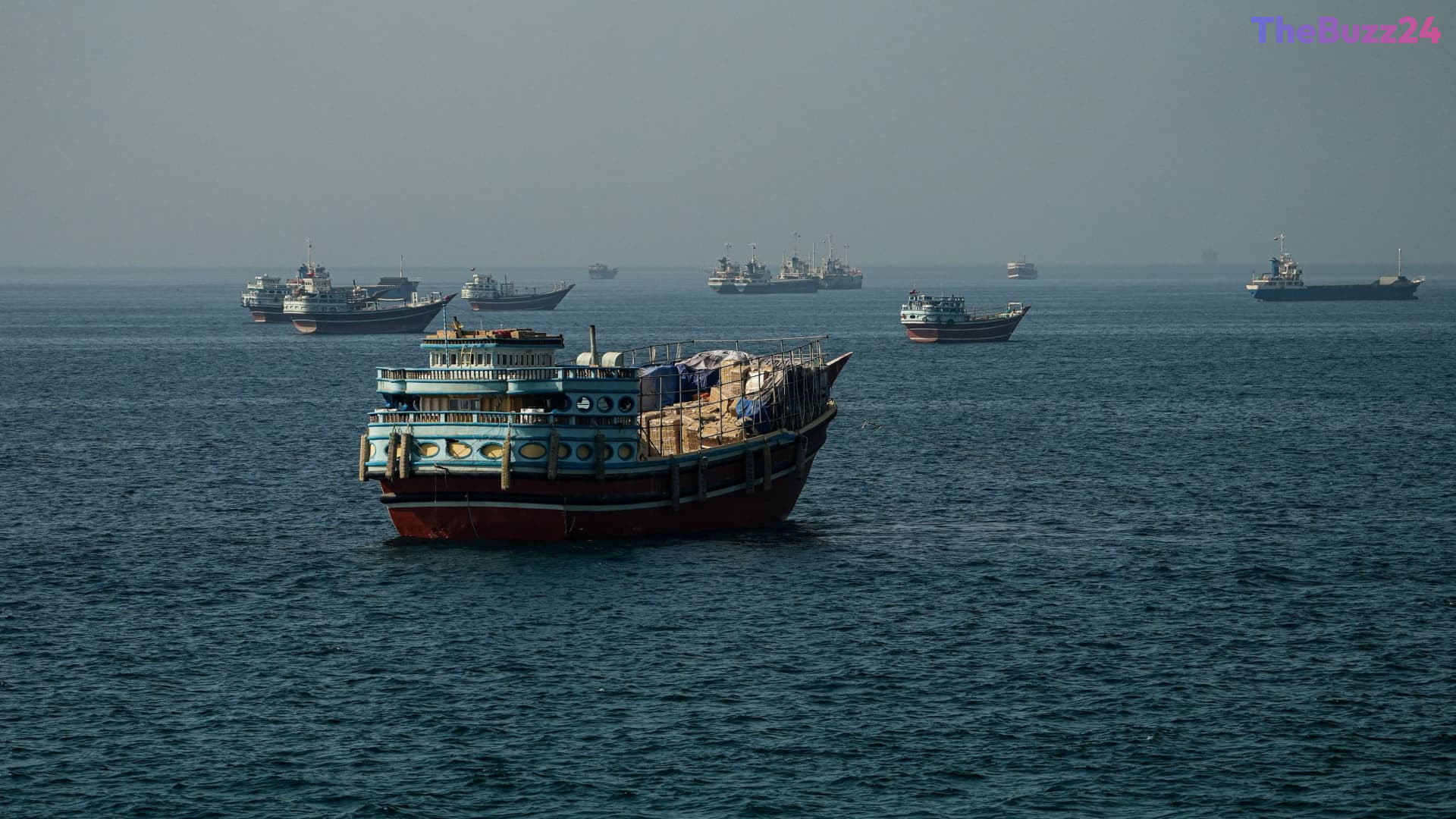
Traders on the prediction platform Kalshi are signaling growing pessimism regarding the normalization of shipping traffic through the Strait of Hormuz. Current market data indicates a 66% probability that maritime activity in this critical waterway will remain below normal levels through the end of the year. This sentiment marks a significant shift in expectations, as the likelihood of a return to standard traffic patterns before August has dropped sharply from 66% to just 21% over the past fortnight.
The market defines a return to normalcy as a seven-day moving average exceeding 60 ships passing through the strait. This bearish outlook follows a recent escalation in hostilities between Iran and Israel, which saw both nations exchange direct fire for the first time since a ceasefire was established in April. Despite Iran’s Ministry of Foreign Affairs indicating a pause in strikes, market participants remain cautious, suggesting that geopolitical tensions continue to outweigh short-term diplomatic signals.
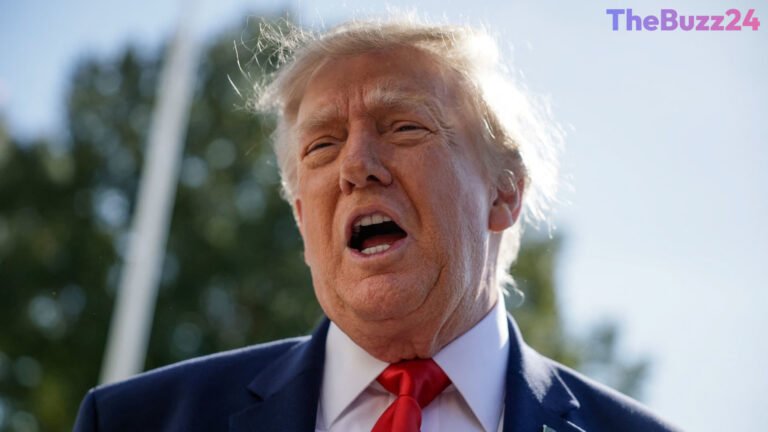
Political discourse has also influenced market sentiment, with President Donald Trump recently addressing the situation. While expressing hope for a swift resolution, the President noted that the blockade is expected to remain in full force until a final peace deal is successfully negotiated between the involved parties. As negotiations continue, the shipping industry remains on high alert, with traders betting that the logistical bottlenecks in this vital energy corridor will persist well into the coming months.
Key Takeaways
- Prediction markets currently estimate a 66% chance that shipping traffic in the Strait of Hormuz will not normalize before January.
- The probability of a return to normal shipping levels by August has fallen significantly from 66% to 21% in just two weeks.
- Market sentiment remains cautious despite recent diplomatic overtures, as traders anticipate the blockade will persist until a formal peace agreement is reached.
Editor’s Analysis & Impact
The data from Kalshi highlights how prediction markets are increasingly serving as real-time barometers for geopolitical risk. By quantifying the probability of shipping disruptions, these markets provide a unique window into how institutional and retail participants interpret complex international conflicts. The current outlook suggests that the market is pricing in a ‘new normal’ where the Strait of Hormuz—a critical artery for global energy supplies—remains compromised for the foreseeable future. This has profound implications for global supply chains, energy prices, and insurance premiums for maritime logistics. If these predictions hold, industries reliant on Middle Eastern oil and gas exports should prepare for sustained volatility and potential inflationary pressures as shipping routes remain restricted or diverted.
Frequently Asked Questions
Q: What criteria does the market use to define 'normal' traffic in the Strait of Hormuz?
A: The market defines normal traffic as a seven-day moving average of more than 60 ships passing through the strait.
Q: How have recent geopolitical events impacted these shipping predictions?
A: The recent exchange of direct military strikes between Iran and Israel has caused traders to lower their expectations for a quick resolution, leading to a sharp decline in the probability of traffic normalizing before August.
AI Disclosure: This article is based on verified data and official reports. Our Team and AI have cross-referenced every financial detail with primary sources to ensure total accuracy.
More from this Category