President Trump Weighs Political Strategy for Iran Peace Deal Amid Internal Criticism
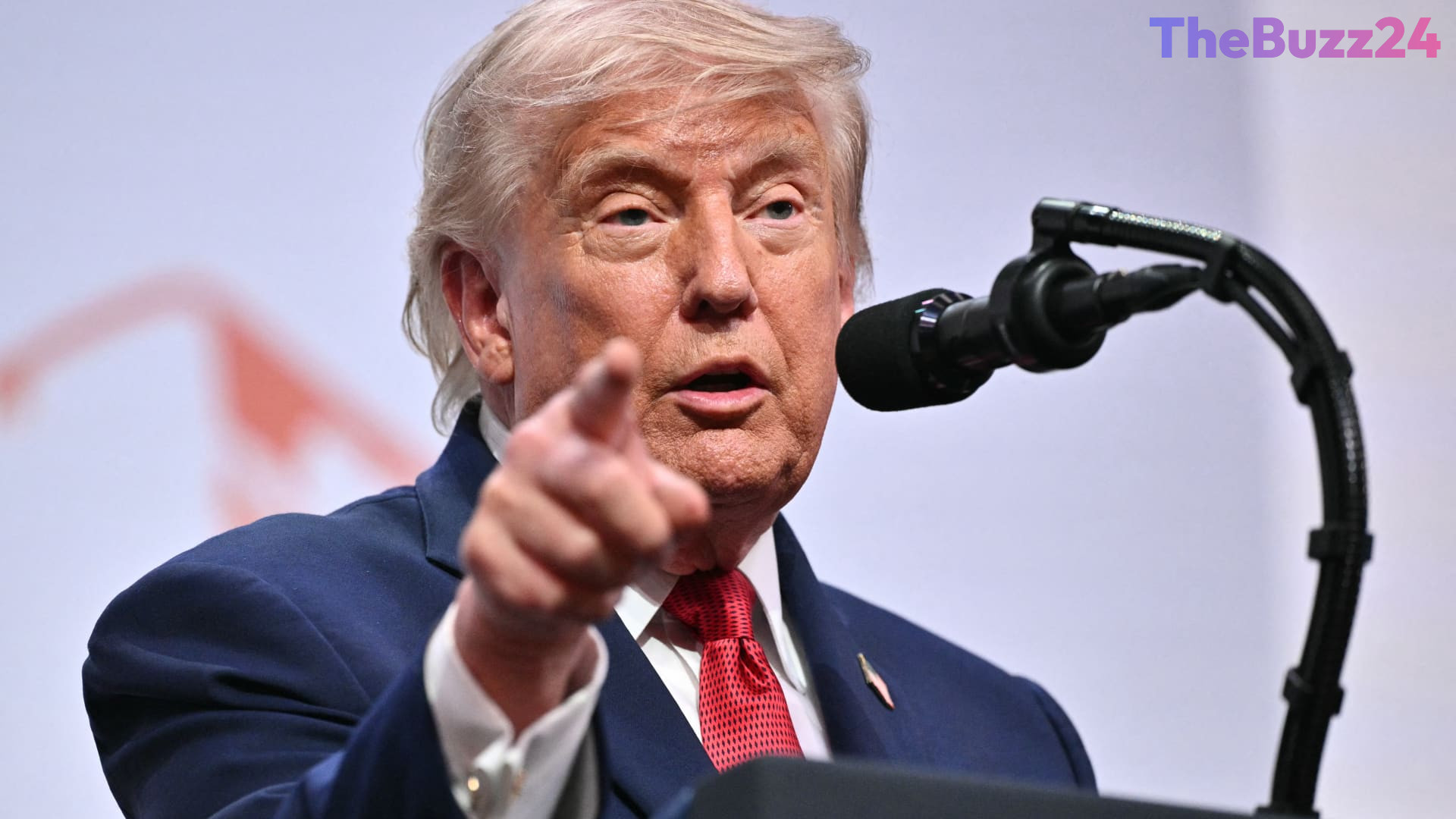
President Donald Trump has signaled a calculated approach to the potential peace agreement with Iran, suggesting he may delegate the signing ceremony to Vice President JD Vance. During a press conference at the G7 summit in France, the President remarked that he would be willing to take credit for the deal if it succeeds, while openly acknowledging that he would hold the Vice President accountable should the agreement fail to yield the desired results.
The proposed memorandum of understanding outlines a framework for ending military hostilities, including a cessation of actions in Lebanon and the reopening of the Strait of Hormuz. The agreement also addresses the future of Iran’s nuclear program and the potential lifting of economic sanctions. However, the deal has faced immediate pushback from within the Republican party, with lawmakers expressing concerns over the concessions being offered to Tehran and the long-term implications for regional security.
Controversy has also emerged regarding the status of Iran’s nuclear material. While the administration previously justified military strikes as a necessary measure to curb nuclear proliferation, officials now suggest that the radioactive stockpiles are effectively buried and inaccessible. This shift in narrative has drawn sharp criticism from legislators who argue that the current path undermines the original objectives of the conflict and fails to account for the significant human and financial costs incurred during the war.
As the administration moves toward finalizing the memorandum, the political stakes remain high. The agreement, which includes provisions for economic reconstruction and the release of frozen assets, is being scrutinized for its potential to reshape the geopolitical landscape of the Middle East. With internal dissent growing, the President’s decision to distance himself from the signing ceremony highlights the precarious nature of this diplomatic endeavor.
Key Takeaways
- President Trump indicated he would delegate the signing of the Iran peace deal to Vice President JD Vance, allowing him to distance himself from potential failure.
- The memorandum of understanding includes provisions for ending military operations, reopening the Strait of Hormuz, and lifting sanctions in exchange for nuclear oversight.
- The deal faces significant opposition from Republican lawmakers who criticize the concessions and the strategic justification for the preceding military campaign.
Editor’s Analysis & Impact
The proposed memorandum of understanding represents a significant pivot in U.S. foreign policy, moving from a strategy of maximum pressure and kinetic strikes to one of diplomatic engagement and economic incentive. The market impact of this shift is substantial, particularly regarding global energy markets, as the potential reopening of the Strait of Hormuz and the lifting of oil sanctions could stabilize supply chains and lower fuel costs. However, the political volatility surrounding the deal creates a high-risk environment for international investors. The administration’s willingness to trade sanctions relief for nuclear compliance suggests a prioritization of short-term stability over long-term containment. Future implications hinge on the successful implementation of the 60-day negotiation window; failure to secure a binding final deal could lead to renewed regional instability and further domestic political fallout for the current administration.
Frequently Asked Questions
Q: What are the primary goals of the memorandum of understanding with Iran?
A: The agreement aims to end military hostilities, ensure the free flow of commercial traffic through the Strait of Hormuz, and establish a framework for addressing Iran's nuclear program and economic sanctions.
Q: Why is there internal criticism regarding the deal?
A: Critics, including several Republican senators, argue that the deal provides too many concessions to Iran, fails to adequately address nuclear proliferation, and ignores the high human and financial costs of the preceding conflict.
AI Disclosure: This article is based on verified data and official reports. Our Team and AI have cross-referenced every financial detail with primary sources to ensure total accuracy.
More from this Category