Proton’s Lumo AI Arrives on Desktops, Championing User Privacy and Local Control
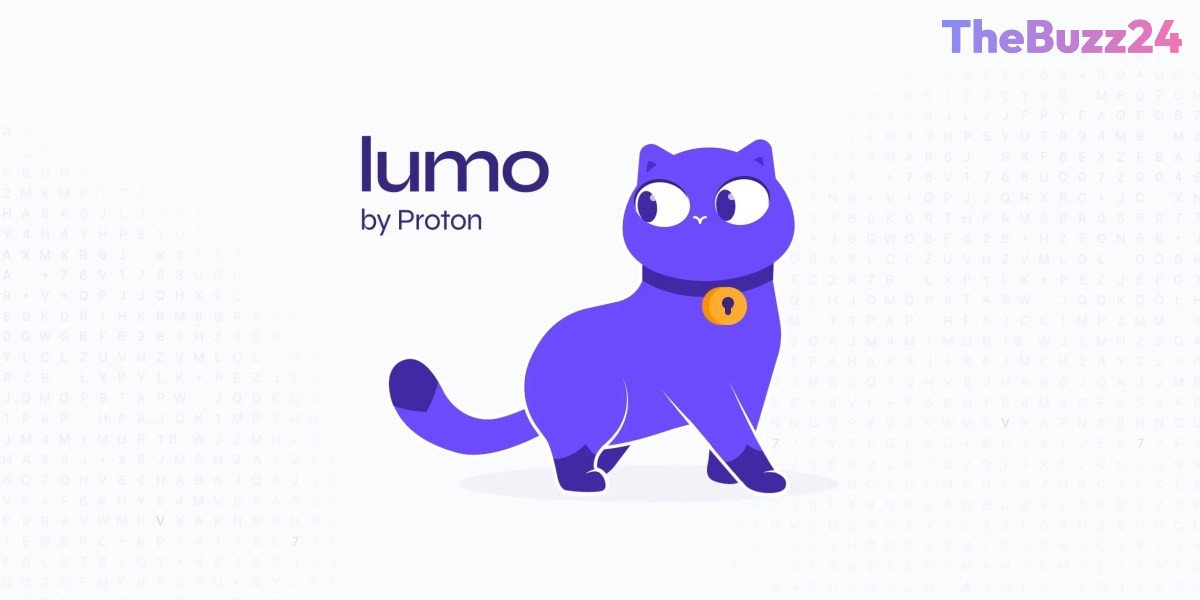
Proton, a technology firm renowned for its privacy-focused alternatives to mainstream digital services like email, productivity suites, and cloud storage, has expanded its offerings with the launch of Lumo Desktop. Now available for Windows, macOS, and Linux, this new artificial intelligence application empowers users to execute local tasks on their personal computers, interacting with connected applications, personal files, and various automations. Lumo is positioned as a privacy-centric alternative to popular AI models such as ChatGPT and Claude, designed to give individuals greater command over their digital data.
In an era where consumer AI increasingly relies on agents performing tasks on behalf of users, concerns about personal data security are escalating. While major AI developers like OpenAI, Anthropic, and Meta already provide desktop tools, these often introduce heightened risks to user privacy, a challenge recently highlighted by Apple’s efforts to tighten security settings for apps requesting Full Disk Access. Proton’s Lumo directly addresses these anxieties by allowing users to meticulously define the extent of AI access to their connected apps, files, and folders. The company explicitly states that user conversations and information from linked applications and files will never be utilized for personalized advertising or for training AI models.
Lumo Desktop integrates a diverse array of connectors, facilitating interaction with local tools such as file-system access, shell execution, and browser content fetching. It also supports Proton’s own email application and various third-party services, including Confluence, Dropbox, and Jira. Users retain complete autonomy, able to specify for each connector whether Lumo can perform actions automatically, requires explicit approval, or is entirely blocked. Furthermore, scheduled tasks can be configured with their own distinct permission sets, ensuring granular control over automated processes.
Proton reinforces its commitment to privacy through robust data protection measures. The company employs encryption to guarantee that only users can access their chat history, with no server-side logs maintained. Any limited data stored is safeguarded under stringent Swiss privacy laws and hosted on European infrastructure, placing it outside the jurisdiction of the U.S. CLOUD Act. This dedication extends to infrastructure investment, with Proton’s first Nvidia B300 cluster, built on Open Compute Project (OCP) standards, now operational in Switzerland. The desktop application also features “Skills,” enabling users to save and reuse instructions, templates, and reference files across their AI interactions.
Key Takeaways
- Proton has launched Lumo Desktop for Windows, macOS, and Linux, offering a privacy-focused AI alternative for local task execution and automation.
- Lumo provides users with granular control over data access and explicitly commits to not using personal information for advertising or AI model training.
- The platform ensures robust data protection through end-to-end encryption, no server-side logging, and data hosting in Switzerland under strict privacy laws, outside the U.S. CLOUD Act.
Editor’s Analysis & Impact
Proton’s introduction of Lumo Desktop marks a significant development in the evolving landscape of AI agents, directly addressing the burgeoning privacy concerns associated with increasingly powerful AI tools. This move positions Proton as a formidable player for users and enterprises prioritizing data sovereignty and control. As AI integration deepens across personal computing, Lumo’s emphasis on local processing and user-defined permissions could set a new standard, potentially compelling other major AI developers to enhance their own privacy frameworks. The strategic choice to host data under Swiss privacy laws and outside the U.S. CLOUD Act further strengthens its appeal, particularly in regions with strong data protection regulations. This could accelerate a broader industry shift towards more transparent and user-centric AI models, fostering greater trust in AI technologies.
Frequently Asked Questions
Q: How does Lumo Desktop protect user privacy?
A: Lumo Desktop protects user privacy by allowing granular control over AI access to files and applications. Proton guarantees that user conversations and data are never used for personalized ads or AI model training. It also employs end-to-end encryption for chat history, maintains no server-side logs, and stores data under strict Swiss privacy laws on European infrastructure, outside the U.S. CLOUD Act.
Q: What kind of tasks can Lumo Desktop perform?
A: Lumo Desktop can perform a variety of local tasks by connecting to applications and files on a user's computer. This includes file-system access, shell execution, browser content fetching, and integration with services like Proton Mail, Confluence, Dropbox, and Jira. Users can also create scheduled tasks and utilize "Skills" for reusable instructions and templates.
AI Disclosure: This article is based on verified data and official reports. Our Team and AI have cross-referenced every financial detail with primary sources to ensure total accuracy.
More from this Category