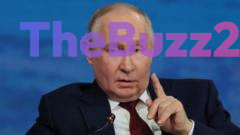
Putin Dismisses Zelensky’s Peace Talk Overture, Citing ‘No Point’ for Meeting
Russian President Vladimir Putin has stated that he sees no immediate value in meeting with Ukrainian President Volodymyr Zelensky to discuss an end to the ongoing conflict. Zelensky had previously issued an open letter calling for direct negotiations, expressing that prolonged waiting for the war to become a central focus for international attention was unproductive.
In his communication, Zelensky also advocated for a ceasefire, adopting a tone that was at times defiant and critical. However, Putin characterized the letter as “rude” and rejected the proposal for a face-to-face meeting. He reiterated his stance that substantive peace talks must precede any agreement on a ceasefire, suggesting that any such pause in hostilities would merely allow Ukrainian forces to regroup without addressing Russia’s long-term objectives.
Speaking at Russia’s annual economic forum in St. Petersburg, Putin questioned the sincerity of Zelensky’s request, suggesting it might have been intended to prevent a meeting rather than facilitate one. He emphasized that military actions would only cease once Russia’s stated goals were achieved, which include territorial concessions from Ukraine and its abandonment of aspirations to join NATO. Ukraine, conversely, has refused to cede territory, fearing it would embolden further aggression.
Zelensky responded to Putin’s remarks by stating that Russia was “choosing war again” and did not genuinely desire an end to the conflict, a sentiment he believes has disappointed many observers. The exchange occurs amidst continued military actions, including recent Ukrainian strikes on Russian territory and Russian attacks on Ukrainian infrastructure, underscoring the deep chasm in diplomatic progress.
Key Takeaways
- President Putin has rejected President Zelensky's call for a direct meeting to discuss ending the Ukraine war, deeming it pointless at this time.
- Putin insists that peace talks must lead to long-term agreements before any ceasefire, linking the end of military actions to the achievement of Russia's stated goals.
- Zelensky expressed disappointment with Putin's response, accusing Russia of prolonging the war, while Ukraine continues to report military actions on both sides.
Editor’s Analysis & Impact
President Putin’s firm rejection of direct talks with President Zelensky highlights the entrenched positions of both nations and the significant obstacles to achieving a diplomatic resolution. The Kremlin’s insistence on territorial concessions and long-term security guarantees, coupled with Ukraine’s unwavering stance on sovereignty, suggests a prolonged conflict. This diplomatic stalemate could have wider implications for global stability, energy markets, and international relations, particularly as both sides continue military operations. The lack of a clear path to negotiation underscores the challenges facing international mediators and the potential for continued escalation.
Frequently Asked Questions
Q: What was President Zelensky's proposal to President Putin?
A: President Zelensky sent an open letter to President Putin proposing face-to-face talks to discuss ending the war and calling for a ceasefire.
Q: Why did President Putin reject the meeting proposal?
A: President Putin stated he saw 'no point' in meeting Zelensky at this time, calling Zelensky's letter 'rude' and reiterating that peace talks must precede a ceasefire and that Russia's long-term goals must be met first.
Q: What are Russia's stated conditions for ending the war?
A: Russia's position includes Ukraine withdrawing from four regions (Donetsk, Luhansk, Kherson, and Zaporizhzhia) and abandoning its efforts to join NATO. Ukraine has refused to cede any territory.
AI Disclosure: This article is based on verified data and official reports. Our Team and AI have cross-referenced every financial detail with primary sources to ensure total accuracy.
More from this Category