Moscow and Beijing Strengthen Strategic Alliance Amid Global Economic Realignment
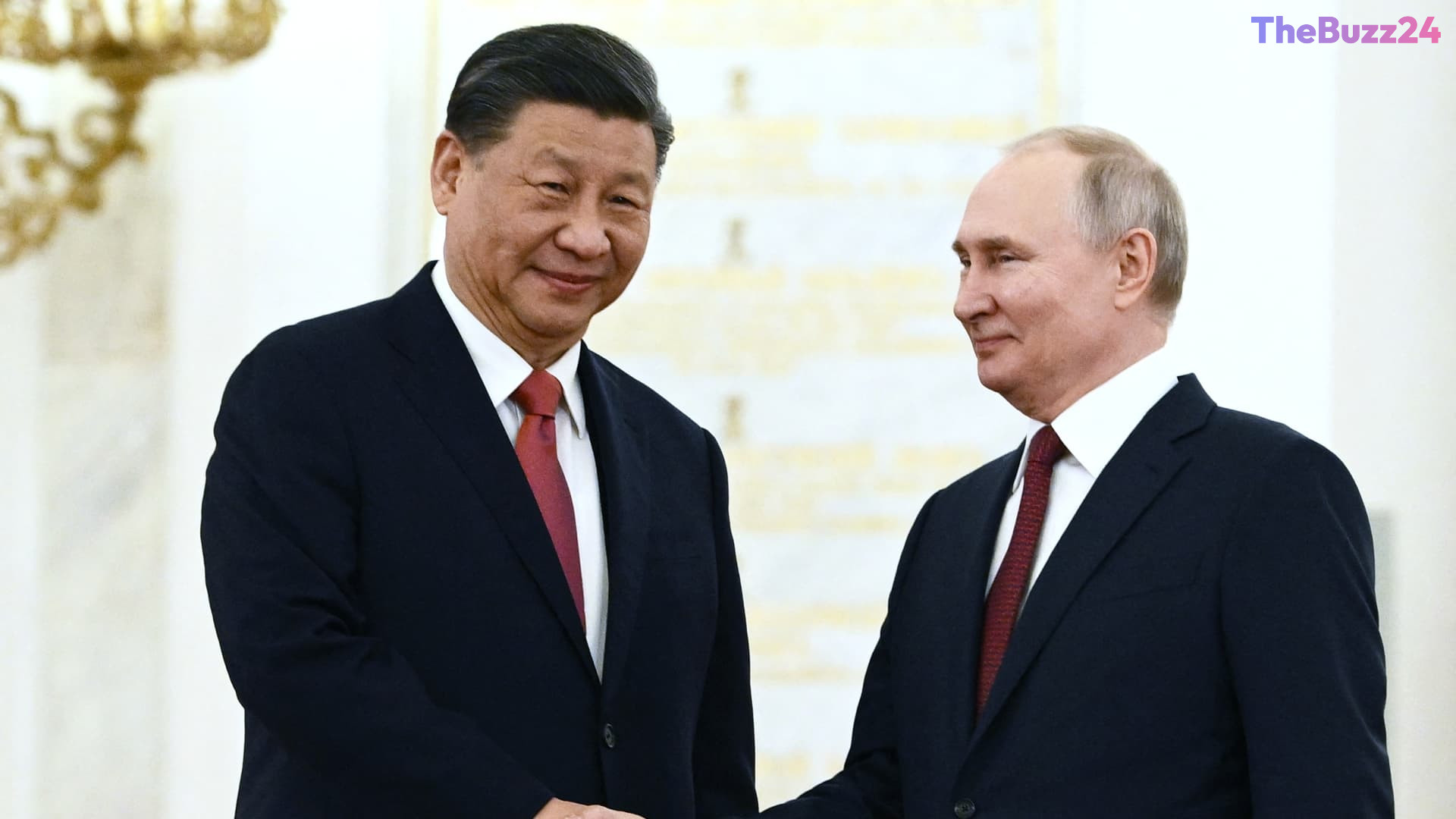
Russian President Vladimir Putin has commenced a two-day diplomatic visit to Beijing, marking a significant effort to solidify the strategic partnership between the two nations. As Russia faces ongoing international sanctions and limited access to Western financial and consumer markets, this summit highlights a definitive shift toward deeper economic integration with China. The meeting serves as a platform for both leaders to synchronize their geopolitical strategies and present a unified front in response to a rapidly changing global landscape.
At the heart of the diplomatic agenda is the proposed ‘Power of Siberia 2’ gas pipeline. This infrastructure project is viewed as a critical economic lifeline for Russia, offering a pathway to redirect energy exports away from traditional European markets. While Moscow is eager to finalize the deal to bolster its energy revenue, Beijing is maintaining a more cautious stance. Chinese officials are carefully evaluating the project’s alignment with their broader energy security objectives and the necessity of maintaining a diversified supply chain, illustrating the complex power dynamics at play.
Furthermore, the visit underscores the growing trade dependency between the two powers. With China now established as Russia’s primary trading partner, the discussions are expected to encompass a broad range of sectors, including advanced technology and consumer goods. As Russia continues to restructure its domestic economy to offset the loss of European trade, its reliance on Chinese imports has become essential for industrial stability. This summit represents a calculated move by both nations to forge a long-term alliance that balances Russia’s immediate economic requirements with China’s expanding regional influence.
Key Takeaways
- President Putin is in Beijing to deepen economic and diplomatic ties as Russia pivots away from Western markets.
- The 'Power of Siberia 2' gas pipeline is a central, yet complex, negotiation point for future energy security.
- Russia is increasingly dependent on Chinese technology and consumer goods to sustain its economy following international sanctions.
Editor’s Analysis & Impact
The strengthening alignment between Moscow and Beijing represents a fundamental shift in the global geopolitical order, creating a significant counterweight to Western-led economic blocs. For Russia, this partnership is an existential necessity to mitigate the impact of sanctions and maintain industrial output. Conversely, the relationship provides China with access to reliable, discounted energy resources, though Beijing remains careful to avoid fully compromising its broader global trade interests. The future of this alliance will likely be defined by the growing asymmetry of the relationship; as Russia’s dependence on Chinese technology and capital increases, Beijing gains substantial leverage in bilateral negotiations. This trend suggests a long-term transition where Russia may become a junior economic partner, a dynamic that could reshape regional security architectures and global energy markets for decades to come.
Frequently Asked Questions
Q: Why is the 'Power of Siberia 2' pipeline significant?
A: It is a critical infrastructure project that would enable Russia to redirect its natural gas exports from European markets to China, providing a vital revenue stream amid international sanctions.
Q: How has the Russia-China economic relationship changed recently?
A: China has become Russia's largest trading partner, with Russia increasingly relying on Chinese imports for technology and consumer goods to replace products previously sourced from Western nations.
AI Disclosure: This article is based on verified data and official reports. Our Team and AI have cross-referenced every financial detail with primary sources to ensure total accuracy.
More from this Category