Putin Signals Potential for Peace Talks Amid Escalating NATO Tensions
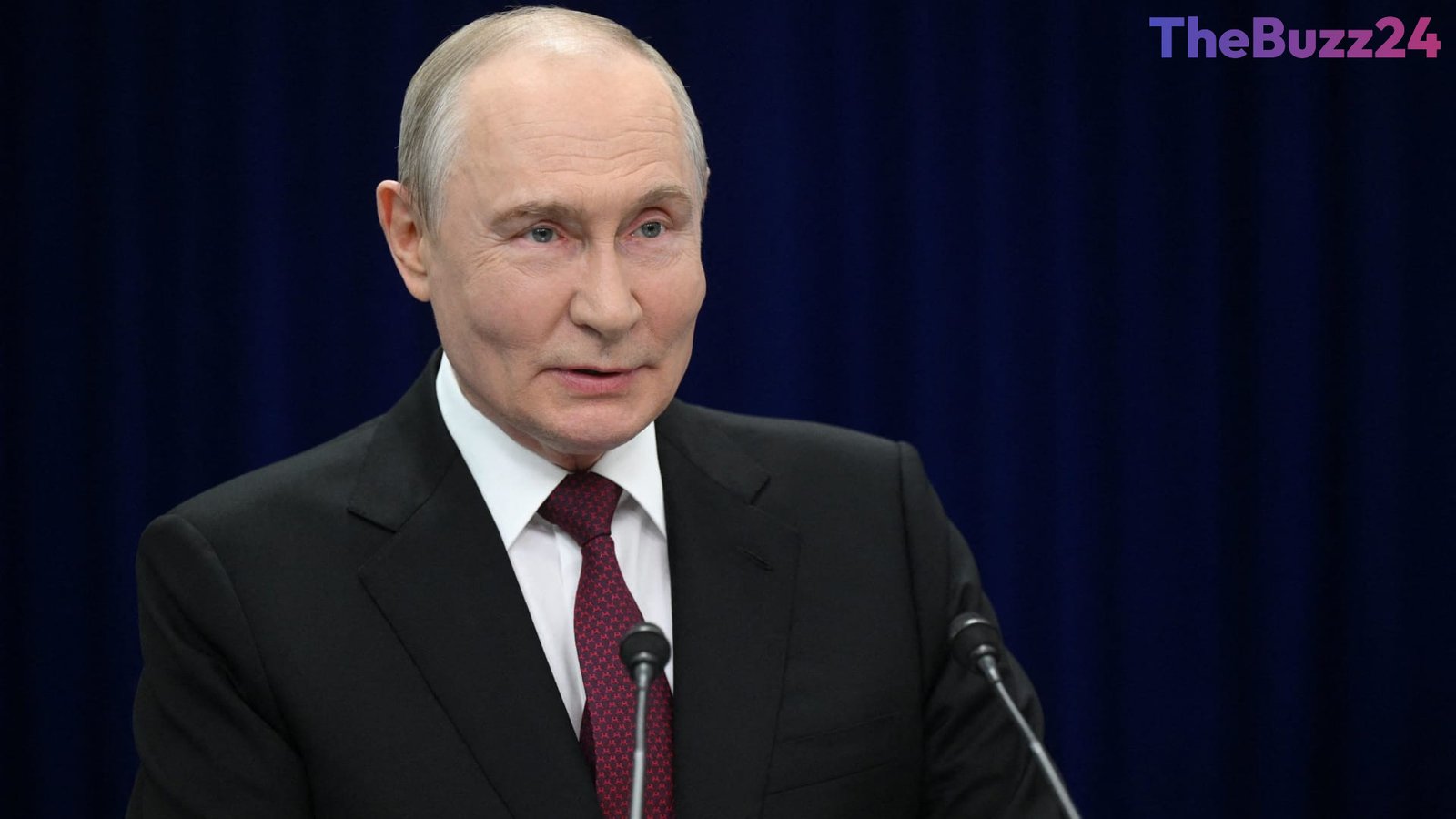
Russian President Vladimir Putin has publicly suggested that a path toward peace with Ukraine remains possible, though he emphasized that any resolution must be negotiated directly between Moscow and Kyiv. Speaking at the Eastern Economic Forum in Vladivostok, Putin maintained his stance that the conflict requires a bilateral settlement, even as he simultaneously condemned Ukraine’s recent warnings to international airlines regarding Russian airspace as an act of ‘state terrorism.’
These remarks arrive at a critical juncture in the long-standing conflict, as international diplomatic efforts to broker a ceasefire have largely stalled. While leaders from India and China have recently called for a transition from military engagement to diplomatic dialogue, the fundamental disagreements regarding territorial sovereignty and security alignments remain unresolved. Ukrainian officials have expressed hope for a renewed diplomatic dynamic, signaling a potential shift toward more active political engagement on the global stage.
Contrasting with Putin’s rhetoric, NATO Secretary General Mark Rutte has issued a stern warning regarding Russia’s recent behavior. Rutte described the Russian military as ‘increasingly reckless,’ pointing to incidents involving drones and missiles near the alliance’s eastern borders, as well as alleged hybrid attacks on European infrastructure. NATO leadership has reaffirmed its commitment to supporting Ukraine, dismissing the notion that such threats would weaken the alliance’s resolve or unity.
The situation remains volatile as Ukraine continues to deploy long-range, domestically produced drones to target Russian military and energy infrastructure. This strategy, intended to increase the economic and strategic cost of the invasion, has prompted retaliatory missile strikes from Russia. As both sides intensify their tactical operations, the prospect of a diplomatic breakthrough remains overshadowed by the ongoing escalation of hostilities.
Key Takeaways
- President Putin stated that a 'chance' for peace exists but insisted that negotiations must be handled exclusively by Russia and Ukraine.
- NATO Secretary General Mark Rutte accused Russia of becoming 'increasingly reckless' due to recent drone and missile activity near the alliance's borders.
- Ukraine is utilizing long-range domestic drones to target Russian infrastructure, leading to heightened tensions and retaliatory strikes.
Editor’s Analysis & Impact
The current geopolitical landscape suggests a paradoxical environment where public overtures for peace are being overshadowed by a tangible increase in military and hybrid warfare. Putin’s mention of a ‘chance’ for peace appears to be a strategic maneuver to influence international perception, particularly as global powers like India and China exert pressure for a resolution. However, the hardening stance of NATO, led by Mark Rutte, indicates that the West is moving toward a more defensive and vigilant posture rather than a de-escalatory one. The future outlook remains grim; as long as both sides view the conflict through the lens of existential security and territorial integrity, diplomatic breakthroughs will likely remain elusive. The reliance on long-range drone warfare by Ukraine suggests a shift toward asymmetric attrition, which will likely force Russia to further militarize its domestic airspace and infrastructure, deepening the economic impact of the war.
Frequently Asked Questions
Q: What is the primary point of contention regarding the peace process?
A: The primary obstacles include fundamental disagreements over territorial control, security guarantees, and Ukraine's future military alignment.
Q: Why did President Putin label Ukraine's aviation warnings as 'state terrorism'?
A: Putin used this term in response to Ukraine's advisory for international airlines to avoid Russian airspace, which was issued due to the increased presence of military drones in the region.
AI Disclosure: This article is based on verified data and official reports. Our Team and AI have cross-referenced every financial detail with primary sources to ensure total accuracy.
More from this Category