Patient Power: Rare Disease Families Forge Path to New Treatments
In an inspiring surge of patient advocacy, families grappling with rare diseases are increasingly taking the reins in the quest for life-saving treatments. Faced with the daunting reality that 95% of over 10,000 known rare diseases lack an FDA-approved therapy, these parents and caregivers are becoming the driving force behind medical innovation.
The immense cost and lengthy timelines associated with drug development, often exceeding a billion dollars and a decade, make rare disease research a high-risk, low-reward proposition for large pharmaceutical companies. This financial landscape has historically left many rare conditions underserved. However, a growing movement sees patient groups actively partnering with researchers and clinicians, transforming advocacy into tangible research efforts.
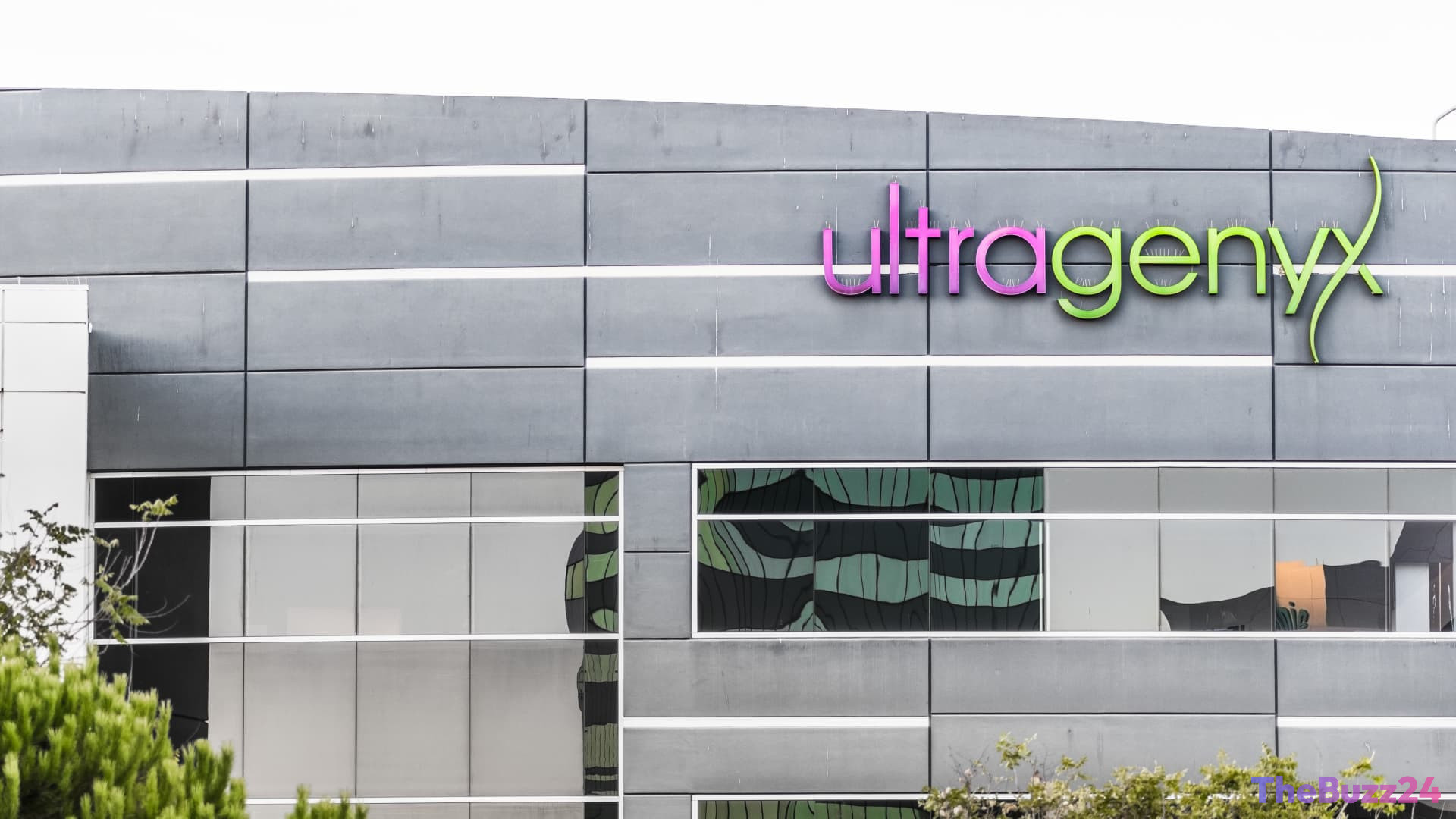
Programs like Ultragenyx’s ‘Rare Bootcamp’ are emerging as crucial resources, offering families a structured roadmap to navigate the complex world of drug development. These multi-day forums provide essential education on research methodologies, regulatory pathways, and the critical steps involved in bringing a novel drug to fruition. Beyond education, the bootcamps foster a vital sense of community, connecting families facing similar challenges and enabling the exchange of invaluable experiences and strategies.
Founded by Ultragenyx CEO Emil Kakkis, who drew inspiration from his own early struggles in drug research, the bootcamps aim to democratize the knowledge required for therapeutic development. The initiative has empowered hundreds of patient organizations across the globe, equipping them with the tools and connections needed to advocate for and advance research for their loved ones. This patient-led innovation is not only filling critical gaps in treatment but also fostering hope and solidarity within the rare disease community.
Key Takeaways
- Families affected by rare diseases are increasingly leading the charge in drug development due to a lack of existing treatments.
- Programs like Ultragenyx's Rare Bootcamp provide essential education and networking opportunities for patient advocates.
- The high cost and complexity of drug development are being addressed by patient-led initiatives, fostering innovation and community support.
Editor’s Analysis & Impact
The trend of patient-led drug development signifies a powerful shift in the pharmaceutical and biotech landscape. It highlights the unmet needs in rare disease treatment and the untapped potential of patient communities to drive innovation. While traditional pharmaceutical companies face economic hurdles, these grassroots efforts, supported by educational platforms and industry partnerships, are proving effective. This approach not only accelerates research for specific conditions but also builds a strong advocacy network, potentially influencing future investment strategies and regulatory considerations for rare diseases. The long-term outlook suggests a more collaborative model between patients, researchers, and industry.
Frequently Asked Questions
Q: Why is drug development for rare diseases so challenging?
A: Drug development is inherently complex and expensive. For rare diseases, the challenge is amplified by small patient populations, making it difficult to recoup the significant investment required for research, clinical trials, and regulatory approval. This often makes it less attractive for large pharmaceutical companies compared to diseases affecting broader populations.
Q: How do patient advocacy groups contribute to rare disease research?
A: Patient advocacy groups play a crucial role by raising awareness, fundraising for research, connecting patients with researchers, and often driving the research agenda. They provide invaluable insights into the patient experience and can help recruit participants for clinical trials. Initiatives like bootcamps equip them with the knowledge to navigate the scientific and regulatory processes more effectively.
Q: What is the goal of programs like Ultragenyx's Rare Bootcamp?
A: The primary goal is to empower patient advocates and families by providing them with the knowledge, resources, and connections needed to understand and participate in the drug development process. This includes learning about scientific research, clinical trials, regulatory pathways, and fostering a supportive community among attendees.
AI Disclosure: This article is based on verified data and official reports. Our Team and AI have cross-referenced every financial detail with primary sources to ensure total accuracy.
More from this Category