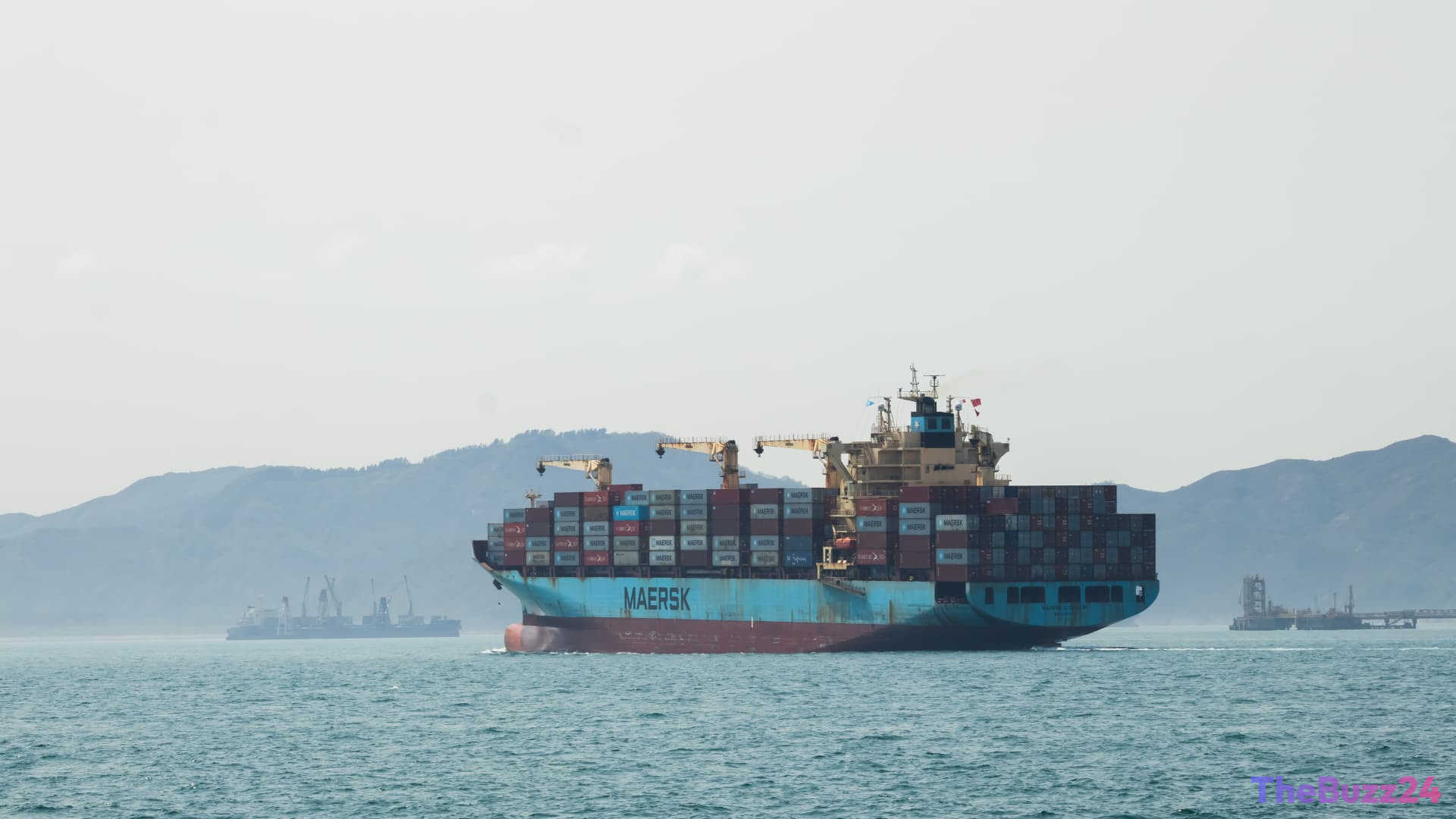
Maersk Vessel Completes High-Stakes Transit Through Strait of Hormuz Under U.S. Naval Escort
A commercial vessel operated by Maersk has successfully navigated the volatile Strait of Hormuz, marking a rare and successful transit amidst ongoing regional tensions. The ship, identified as the Alliance Fairfax and operated by the Maersk subsidiary Farrell Lines, completed its journey through the Persian Gulf on Monday under the direct protection of the U.S. military. Maersk CEO Vincent Clerc characterized the operation as a highly coordinated and successful mission that ensured the safety of the crew and the vessel.
The transit was part of a broader, short-lived initiative known as ‘Project Freedom,’ which was launched to assist merchant ships stranded in the region following the closure of the critical maritime chokepoint. According to Maersk leadership, the company engaged in extensive preparations with U.S. naval authorities to assess the risks and ensure the security of the crew before proceeding with the mission. The successful passage allowed the vessel to exit the Gulf, though the broader situation remains complex for the shipping giant.
Despite this success, Maersk continues to face challenges in the region, with approximately eight other vessels currently remaining in the Persian Gulf. While some of these ships are intended for regional operations, others are effectively trapped, limiting the company’s ability to deploy them elsewhere. The company is actively seeking long-term solutions to address the status of its stranded fleet as it navigates the ongoing geopolitical instability.
This logistical hurdle comes as Maersk reports its latest financial results, noting an EBITDA of $1.75 billion for the first quarter of the year. This figure represents a 35% decline compared to the same period in the previous year, reflecting the broader economic pressures and operational constraints currently impacting the global shipping industry.
Key Takeaways
- A Maersk-operated vessel successfully exited the Strait of Hormuz under U.S. military escort as part of the 'Project Freedom' initiative.
- Maersk still has eight ships currently stranded in the Persian Gulf, necessitating further diplomatic or military solutions for their release.
- The company reported a 35% year-over-year decline in first-quarter EBITDA, highlighting the financial impact of current regional instability.
Editor’s Analysis & Impact
The successful transit of the Alliance Fairfax underscores the critical intersection of global commerce and geopolitical military strategy. For the shipping industry, the Strait of Hormuz remains a high-risk chokepoint where operational continuity is increasingly dependent on state-level intervention. Maersk’s cautious approach highlights the tension between maintaining supply chain fluidity and ensuring the safety of personnel in conflict zones. Looking ahead, the reliance on naval escorts for commercial transit suggests a potential shift toward more militarized maritime logistics in the Middle East. If regional tensions persist, shipping firms will likely face increased insurance premiums, higher operational costs, and the need for more complex, government-backed security protocols, which could ultimately lead to further consolidation or shifts in global trade routes to avoid high-risk areas.
Frequently Asked Questions
Q: What was 'Project Freedom'?
A: Project Freedom was a short-lived U.S. military initiative designed to escort and free merchant vessels that had become stranded in the Persian Gulf due to the closure of the Strait of Hormuz.
Q: How many Maersk ships remain in the Persian Gulf?
A: As of the latest reports, Maersk has approximately eight ships still located in the Persian Gulf, some of which are trapped and unable to resume normal operations outside the region.
AI Disclosure: This article is based on verified data and official reports. Our Team and AI have cross-referenced every financial detail with primary sources to ensure total accuracy.
More from this Category