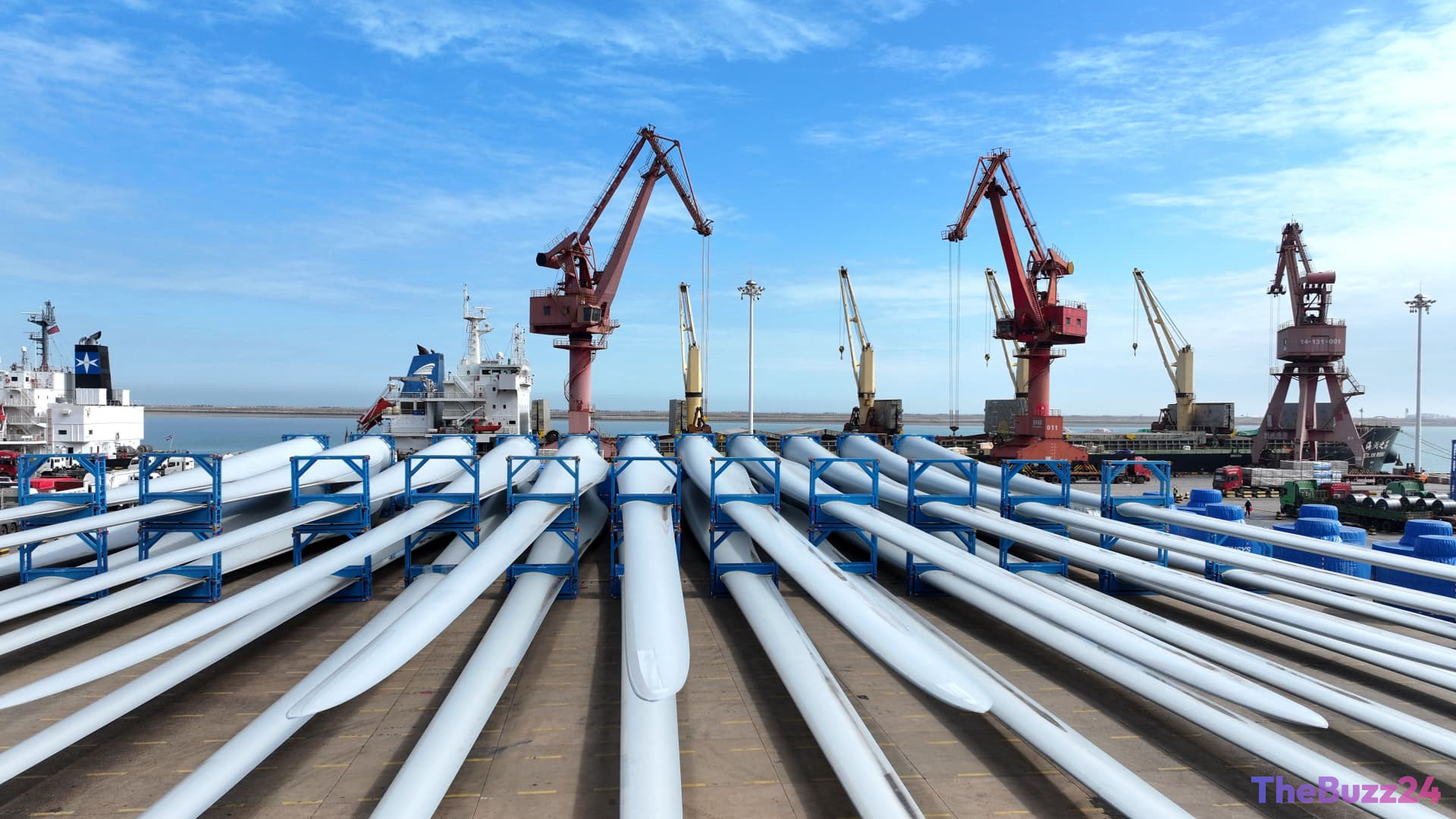
Energy Security Drives Unprecedented Global Investment in Renewables
The global energy sector is experiencing a profound shift as nations prioritize energy independence alongside traditional decarbonization goals. Recent financial disclosures from major renewable energy firms, such as Vestas and Orsted, reveal that first-quarter earnings have significantly outperformed market expectations. This surge suggests that geopolitical instability is acting as a catalyst, forcing a faster transition toward localized green infrastructure to ensure national stability.
Traditional energy conglomerates are also adapting to this new landscape. Equinor, for instance, has reported record-breaking quarterly performance while simultaneously expanding its footprint in offshore wind energy. The company is currently leading large-scale projects in the United States, Poland, and the United Kingdom, with the latter expected to host the world’s largest offshore wind farm. These initiatives underscore a growing consensus among global leaders that domestic energy self-sufficiency is now a critical component of national security.
Beyond the strategic necessity, the economic case for renewable energy is strengthening. Industry experts argue that offshore wind integration is essential for mitigating volatile energy costs for consumers. Furthermore, the rapid expansion of energy-intensive AI data centers has created a new demand for sustainable power, with technology firms increasingly turning to renewable providers to scale their operations. Despite lingering supply chain challenges and political fluctuations, the push for localized, clean power generation remains a primary driver for long-term growth in the energy sector.
Key Takeaways
- Geopolitical instability is accelerating the global transition to renewable energy as nations prioritize domestic self-sufficiency.
- Major energy firms like Equinor, Vestas, and Orsted are reporting strong financial growth driven by large-scale offshore wind projects.
- The rise of AI and data centers is creating new, significant demand for sustainable power sources to support infrastructure scaling.
Editor’s Analysis & Impact
The transition toward renewable energy has evolved from a purely environmental initiative into a core pillar of national security and economic strategy. By decoupling from volatile global fossil fuel markets, nations are insulating their economies against geopolitical shocks, which in turn provides a stable environment for long-term infrastructure investment. The involvement of traditional oil and gas giants in the renewable space signals a permanent shift in the energy mix, suggesting that the ‘energy transition’ is no longer a niche market but a fundamental requirement for industrial competitiveness. As AI-driven data centers continue to demand massive amounts of reliable, sustainable power, the renewable sector is poised to become the backbone of the modern digital economy. Investors should monitor how supply chain resilience and regulatory support in key regions like the U.S. and Europe will dictate the pace of this expansion.
Frequently Asked Questions
Q: Why are traditional oil and gas companies investing in renewable energy?
A: Companies are pivoting to renewables to ensure long-term viability, meet the growing demand for sustainable power, and align with national security mandates that prioritize domestic energy production.
Q: How does the growth of AI impact the renewable energy sector?
A: AI data centers are highly energy-intensive. As these facilities expand, they require massive, reliable power sources, leading tech companies to partner with renewable energy providers to meet their sustainability goals and power requirements.
AI Disclosure: This article is based on verified data and official reports. Our Team and AI have cross-referenced every financial detail with primary sources to ensure total accuracy.
More from this Category