Realta Fusion Achieves Breakthrough in Direct Electricity Harvesting from Fusion Reactions
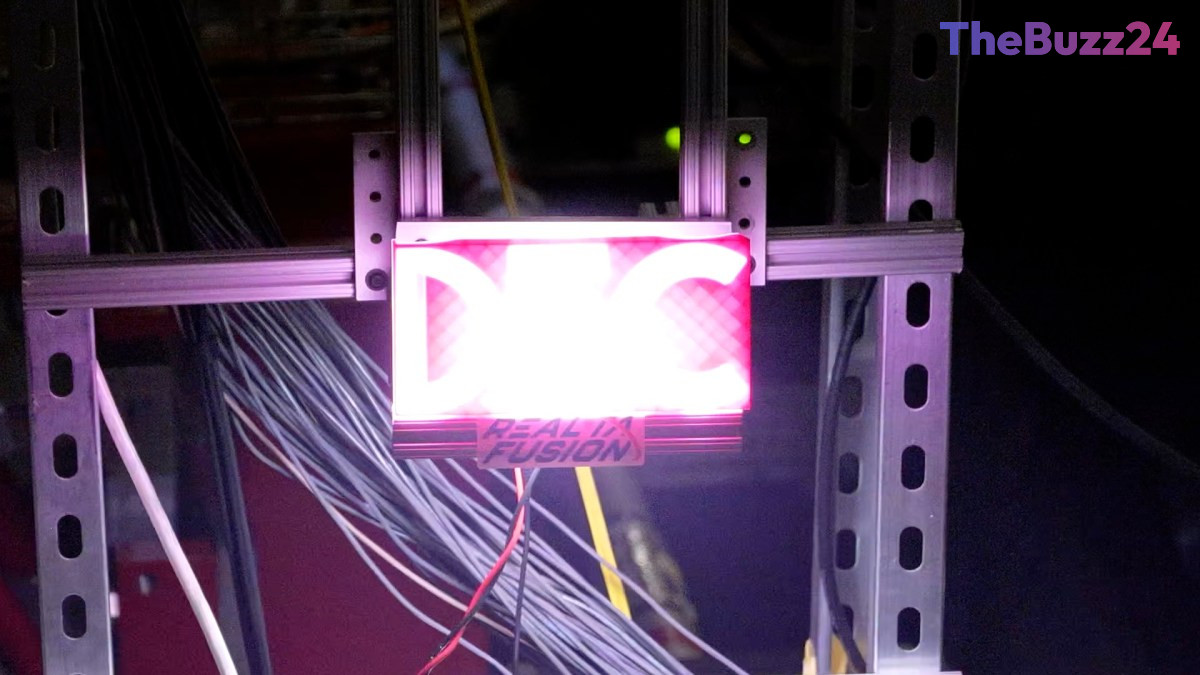
Wisconsin-based startup Realta Fusion has reached a significant milestone in the pursuit of commercial nuclear fusion, successfully demonstrating the ability to harvest electricity directly from a fusion reaction. During an experiment conducted on June 19 using its WHAM demonstration device, the company powered a lightbulb using energy captured directly from the plasma, marking what is believed to be a first for a private fusion entity.
While most fusion research focuses on generating heat to drive steam turbines—a process limited by the thermodynamic efficiency of traditional power plants—Realta Fusion is pursuing a more direct approach. By capturing energy from charged helium nuclei, known as alpha particles, the company aims to bypass the inefficiencies of steam conversion. CEO Kieran Furlong noted that direct conversion can reach approximately 90% efficiency, a stark contrast to the roughly 33% efficiency typically seen in current fission-based steam turbines.
The technology is designed to create a self-sustaining cycle within the reactor. By harvesting electricity directly, the plant can recirculate that power to heat the plasma, significantly reducing the external energy requirements needed to maintain the reaction. Furlong estimates that this circular energy model could increase the total power output of a commercial-scale plant by 20% to 30%, drastically improving the economic viability of fusion as a clean energy source.
As the industry shifts from proving that fusion is scientifically possible to proving it is commercially profitable, Realta Fusion’s demonstration provides a tangible path toward efficiency. While other firms, such as Helion, have also identified direct energy conversion as a cornerstone of their reactor designs, Realta’s successful public demonstration positions it as a frontrunner in the race to make fusion-generated electricity a practical reality for the power grid.
Key Takeaways
- Realta Fusion successfully demonstrated the direct conversion of fusion energy into electricity, bypassing the need for traditional steam turbines.
- The direct conversion method is estimated to be 90% efficient, compared to the 33% efficiency of standard steam-based power generation.
- This technology allows reactors to recirculate energy to heat plasma, potentially increasing total commercial power output by 20% to 30%.
Editor’s Analysis & Impact
The achievement by Realta Fusion represents a pivotal shift in the fusion energy sector, moving the conversation from ‘scientific feasibility’ to ‘economic viability.’ For decades, the primary hurdle for fusion has been the energy return on investment (EROI). By demonstrating direct energy conversion, Realta is addressing the most critical bottleneck: the parasitic power load required to sustain the reaction. If this technology scales, it could fundamentally alter the cost structure of clean energy, making fusion competitive with, or superior to, existing renewables and fossil fuels. The industry is now entering a phase where engineering efficiency—rather than just plasma physics—will determine which startups survive. Investors should watch for further scaling tests, as the ability to recirculate power will be the ultimate test of whether these reactors can achieve the elusive goal of net-positive commercial energy production.
Frequently Asked Questions
Q: How does direct energy conversion differ from traditional fusion power generation?
A: Traditional fusion power generation uses the heat from the reaction to create steam, which then spins a turbine to generate electricity. Direct energy conversion captures the energy from charged particles (alpha particles) directly, bypassing the steam cycle and significantly increasing efficiency.
Q: Why is this milestone important for the future of fusion energy?
A: Fusion reactors require significant energy to operate. By harvesting electricity directly, a reactor can use that energy to sustain its own plasma heating, reducing the need for external power and making the overall plant much more economically profitable.
AI Disclosure: This article is based on verified data and official reports. Our Team and AI have cross-referenced every financial detail with primary sources to ensure total accuracy.
More from this Category