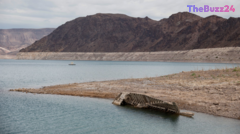
Receding Waters at Lake Mead Reveal Human Remains Amid Historic Drought
As record-breaking drought conditions continue to plague the Western United States, the receding water levels of Lake Mead have led to the discovery of potential human remains. The National Park Service confirmed that rangers and local law enforcement were dispatched to Boulder Beach in Nevada following reports of skeletal remains, including a jawbone with teeth still attached, found by visitors on August 16.
This discovery highlights the dramatic environmental shift occurring at the nation’s largest reservoir. Visitors to the site noted that the shoreline has retreated significantly, exposing areas that have been submerged for decades. As the water level continues to drop, the reservoir is revealing not only geological features but also items and remains that have been hidden underwater for years.
The US Bureau of Reclamation reported that Lake Mead’s water levels have hit historic lows, falling well below previous records set in recent years. This decline is part of a long-term trend of water depletion in the region, which experts largely attribute to the intensifying effects of climate change and persistent, severe drought conditions across the American West.
While the investigation into the remains is ongoing, the incident serves as a stark reminder of the environmental crisis facing major water infrastructure. Similar phenomena are being observed globally, as extreme heat and drought cause rivers and reservoirs to shrink, uncovering historical artifacts, sunken vessels, and long-lost remains in countries ranging from Hungary to the United Kingdom.
Key Takeaways
- Human remains were discovered at Lake Mead's Boulder Beach as water levels reached record-breaking lows.
- The US Bureau of Reclamation reports that the reservoir's water levels have dropped significantly below previous records, exposing previously submerged areas.
- Climate change and persistent drought are driving the depletion of major water sources, leading to similar discoveries of historical and human remnants globally.
Editor’s Analysis & Impact
The discovery at Lake Mead serves as a grim indicator of the broader climate crisis affecting critical water infrastructure in the United States. From a market and industry perspective, the depletion of the Colorado River basin—which feeds Lake Mead—poses significant risks to agriculture, hydroelectric power generation, and municipal water supplies across the Southwest. As water levels approach ‘dead pool’ status, the economic implications for states reliant on this reservoir are profound, likely necessitating aggressive policy shifts in water management and conservation. Future outlooks suggest that unless there is a significant change in precipitation patterns or a massive overhaul in water usage policies, the exposure of submerged sites will continue, potentially complicating land use and public access to these areas while highlighting the urgent need for climate adaptation strategies.
Frequently Asked Questions
Q: Why are items and remains being found in Lake Mead now?
A: The water levels in Lake Mead have dropped to record lows due to a long-term, severe drought. As the water recedes, it exposes land and objects that have been submerged underwater for decades.
Q: Is the discovery of remains at Lake Mead an isolated incident?
A: No, similar discoveries are occurring globally. As climate change and extreme heat cause rivers and reservoirs to shrink in countries like Hungary and the UK, various historical artifacts and remains are being uncovered as water levels hit unprecedented lows.
AI Disclosure: This article is based on verified data and official reports. Our Team and AI have cross-referenced every financial detail with primary sources to ensure total accuracy.
More from this Category