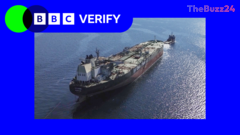
Red Sea Shipping Strained as Tankers Divert Following Houthi Maritime Embargo Threats
A wave of commercial oil tankers and cargo vessels navigating the Red Sea and adjacent maritime corridors have abruptly altered course following a newly declared embargo targeted at Saudi Arabian ports by Houthi forces in Yemen. Vessel tracking data reveals multiple ships—including crude carriers loaded with oil and long-distance cargo vessels—making sharp U-turns near the strategic Bab al-Mandab Strait and retreating into safer waters. The sudden disruption presents a severe challenge for global maritime commerce, as roughly 15% of worldwide sea trade typically traverses the Red Sea corridor connecting the Mediterranean to the Gulf of Aden.
The embargo threat arrives at a critical juncture for international energy distribution. Following prior supply disruptions in the region, Saudi Arabia significantly increased its reliance on its Red Sea port of Yanbu, channeling over 70% of its crude exports westward via an east-west pipeline. Shifting nearly four million barrels of oil per day through Yanbu helped stabilize global crude supplies. However, with warnings that any vessel loading or discharging cargo at Saudi ports could face direct targeting, international shipping companies are exercising extreme caution, raising immediate concerns over escalating freight rates and prolonged transport times.
In response to the elevated risk level, international naval monitoring groups in the region have recommended that merchant vessels associated with Saudi, American, or Israeli interests avoid transiting the Red Sea and Gulf of Aden until threat levels subside. To protect crew and cargo, dozens of ships in the area have begun broadcasting automated messages indicating the presence of armed security personnel on board. Maritime experts warn that even minor misunderstandings regarding a vessel’s previous ports of call could trigger localized attacks, carrying severe risks of catastrophic oil spills and loss of life.
If the maritime passage around the Bab al-Mandab Strait remains effectively obstructed, energy exporters may be forced to reroute crude shipments around the southern tip of Africa to reach Asian destinations. While existing energy reserves can cushion short-term disruptions lasting a few weeks, prolonged detours will inevitably result in higher shipping expenses, elevated fuel prices, and broader inflationary pressures on global consumers.
Key Takeaways
- Multiple commercial crude tankers and cargo vessels reversed course near the Bab al-Mandab Strait following a Houthi maritime embargo announcement targeting Saudi ports.
- Saudi Arabia had been relying heavily on its Red Sea port of Yanbu to export roughly four million barrels of oil per day to stabilize global energy distribution.
- Rerouting ships around the Cape of Good Hope could significantly increase transit times, inflate maritime insurance costs, and drive up energy prices globally.
Editor’s Analysis & Impact
The unexpected disruption of Red Sea tanker traffic underscores the extreme fragility of primary global trade choke points. Saudi Arabia’s strategic pivot toward its Red Sea pipeline network was designed to insulate global energy markets from Persian Gulf instabilities. However, targeted maritime threats against Red Sea traffic effectively neutralize this contingency plan. In the short term, markets will experience elevated marine insurance premiums and increased freight rates. Should shipping lines permanently bypass the Bab al-Mandab Strait in favor of the Cape of Good Hope, transit durations to major Asian refining hubs will expand by up to two weeks. This reduction in effective global fleet capacity will tighten crude supply chains, exacerbating price volatility for end-user energy products worldwide.
Frequently Asked Questions
Q: Why are oil tankers making U-turns in the Red Sea?
A: Tankers are altering their course due to heightened security threats following a declared embargo against ships trading with or servicing Saudi Arabian ports.
Q: What makes the Bab al-Mandab Strait crucial to global trade?
A: The Bab al-Mandab Strait is a vital maritime bottleneck linking the Red Sea to the Indian Ocean, serving as a transit point for nearly 15% of global sea trade, including millions of barrels of crude oil daily.
Q: How could these shipping detours impact everyday consumers?
A: Extended rerouting forces vessels to travel significantly longer distances around Africa, increasing operational costs and transit times, which can lead to higher gasoline prices and elevated consumer costs for imported goods.
AI Disclosure: This article is based on verified data and official reports. Our Team and AI have cross-referenced every financial detail with primary sources to ensure total accuracy.
More from this Category