Rising Wave of AI-Generated ‘Slopaganda’ Challenges Tech Platforms Ahead of Midterm Elections
Political campaigns are increasingly leveraging artificial intelligence to create deceptive advertisements and social media posts, introducing a high-volume influx of synthetic media dubbed “slopaganda.” Major digital networks including Meta, YouTube, and X are struggling to moderate this flood of AI-enhanced content, which frequently lacks explicit labels identifying it as computer-generated. With federal regulations requiring disclosure still nonexistent in the United States, political candidates and action committees are taking advantage of legal gray areas to circulate modified images and videos of opponents.
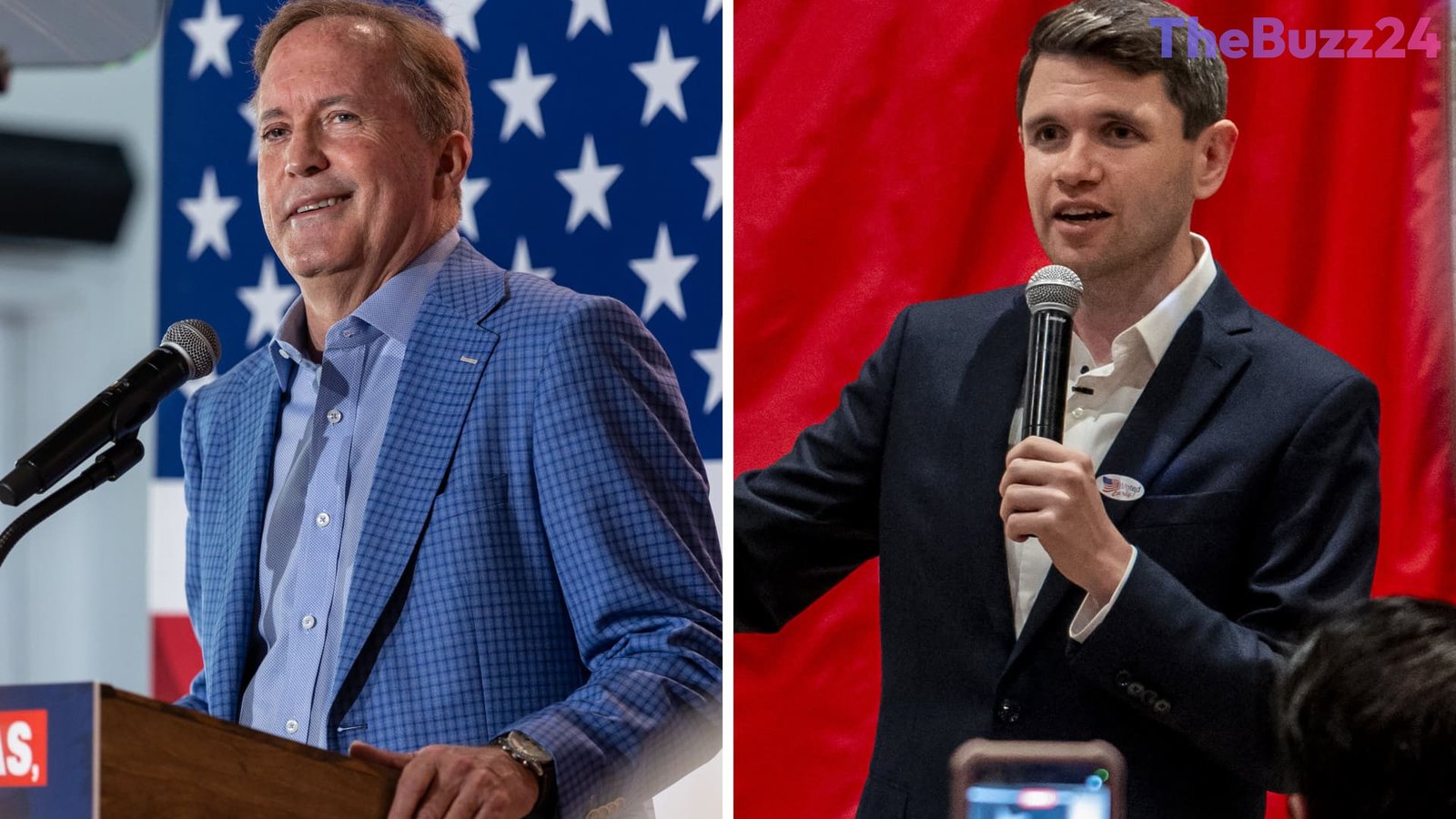
Financial tracking reveals that tens of millions of dollars have already been funneled into political campaigns featuring digitally altered media during the current election cycle. Recent instances highlight high-profile candidates deploying synthetic audio and deepfake videos of rivals making controversial statements, often sharing them as organic posts to bypass formal advertising rules. Although major tech platforms maintain varying policies—such as mandatory disclosures, synthetic content labeling, and advertiser verification—enforcement remains spotty, placing the burden of identification largely on users.
Concerns also extend to underlying generative AI models, which researchers found can often be manipulated into producing misleading electoral media despite built-in safeguards. While some AI tools have updated their safety protocols to turn potentially harmful political prompts into stylized illustrations or refuse them outright, loopholes persist. Legislative attempts to restrict deceptive AI in federal campaigns, such as the proposed Protect Elections from Deceptive AI Act, remain stalled in congressional committees, leaving state-level mandates as the primary, albeit fragmented, regulatory framework.
Key Takeaways
- Political campaigns are pouring significant funds into unlabeled AI-generated media, known as 'slopaganda,' across major social networks.
- Digital platforms face major enforcement hurdles due to inconsistent rules for organic posts versus paid political advertisements.
- Federal legislation regulating synthetic media in elections remains stalled in Congress, leaving oversight fragmented across state laws.
Editor’s Analysis & Impact
The proliferation of AI-generated content in political advertising marks a critical inflection point for digital governance and democratic integrity. As generative tools become cheaper and more sophisticated, campaigns can produce hyper-realistic, targeted misinformation at an unprecedented scale. Tech platforms are caught between protecting free political speech and preventing digital manipulation, often relying on self-reporting or reactive moderation that fails to match the speed of viral media. Without comprehensive federal standards requiring clear digital watermarking and robust disclosures, the reliance on fragmented state laws and corporate policies leaves voters vulnerable to deceptive media. Moving forward, cross-industry alignment on AI provenance standards and federal legislative action will be essential to safeguarding election transparency.
Frequently Asked Questions
Q: What is 'slopaganda' in political campaigns?
A: Slopaganda refers to political campaign materials, including advertisements and social media posts, that utilize low-quality or deceptive AI-generated media to spread political propaganda and misinformation.
Q: Are political campaigns required by federal law to disclose the use of AI?
A: Currently, there is no federal legislation in the United States mandating the disclosure of artificial intelligence in political advertisements, although around 30 states have enacted individual policies with varying requirements.
Q: How are major tech platforms responding to AI political ads?
A: Platforms like YouTube and Meta require paid election ads to include disclaimers when using synthetic media, whereas platforms like X place legal responsibility primarily on advertisers. However, enforcement on non-paid, organic posts remains challenging across all major networks.
AI Disclosure: This article is based on verified data and official reports. Our Team and AI have cross-referenced every financial detail with primary sources to ensure total accuracy.
More from this Category