Rivian CEO Envisions Radical Vehicle Redesigns Through Autonomous Technology
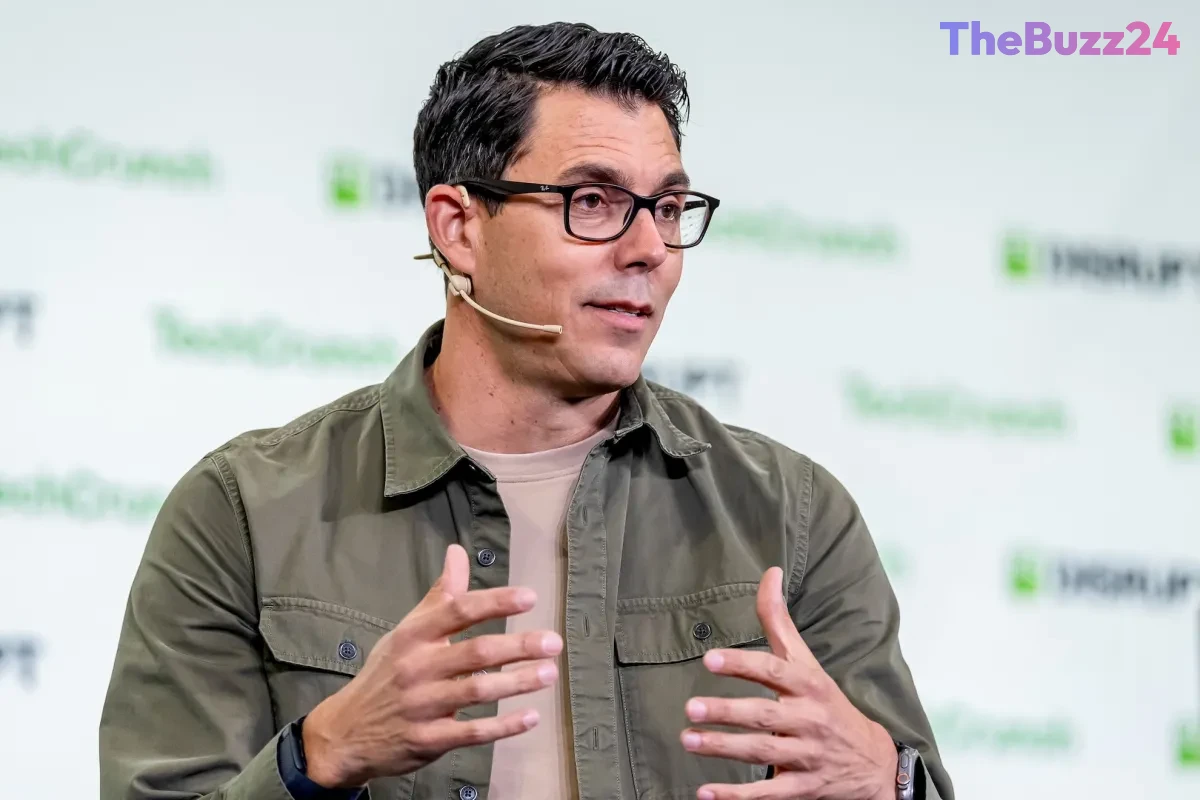
Rivian is doubling down on its commitment to autonomous vehicle software, signaling a strategic shift that prioritizes long-term innovation over immediate profitability. CEO RJ Scaringe recently highlighted that the integration of self-driving capabilities will eventually allow the company to move beyond its current lineup of outdoorsy SUVs and trucks, paving the way for entirely new vehicle form factors. By decoupling design from the traditional constraints of human-operated driving, Rivian aims to create unique transportation experiences that were previously unimaginable.
While the industry has long discussed the potential for a ‘Cambrian explosion’ of vehicle designs—ranging from mobile living rooms to pod-like structures—these concepts have historically remained in the prototype phase due to the slow maturation of autonomous software and manufacturing hurdles. However, Scaringe believes the landscape has shifted. With robotaxis now operating in various global cities and the cost of electric vehicle components continuing to decline, the technological foundation for a design revolution is finally becoming a reality.
Despite these ambitions, Rivian faces a significant road ahead. The company is currently focused on scaling production of its R2 SUV to stabilize its financial position after years of heavy investment. Simultaneously, it is refining its driver assistance systems, with plans to introduce point-to-point navigation by the end of the year. While the company is working toward full autonomy, Scaringe maintains that the majority of miles driven in the United States will continue to occur in personally-owned vehicles, suggesting that the future of autonomy will be integrated into the cars people own rather than just a fleet of shared robotaxis.
Looking toward the future, the company is already hinting at what lies beyond its current R3 platform. While specific details remain under wraps, the development of an ‘R4’ model is expected to leverage these autonomous advancements to redefine the personal vehicle experience. For now, the company remains focused on balancing its current production goals with the long-term vision of transforming how individuals interact with their vehicles.
Key Takeaways
- Rivian is prioritizing the development of autonomous software, even at the expense of short-term profitability.
- The company believes autonomy will enable radical new vehicle designs that move beyond traditional SUV and truck form factors.
- Despite the rise of robotaxis, Rivian expects personally-owned vehicles to remain the dominant mode of transportation for the foreseeable future.
Editor’s Analysis & Impact
Rivian’s strategic pivot toward autonomy represents a high-stakes gamble that aligns the company with the broader industry trend of software-defined vehicles. By betting on the evolution of personal ownership rather than just ride-hailing services, Rivian is attempting to differentiate itself from competitors who are focused solely on robotaxi fleets. The primary challenge remains the ‘valley of death’ between current production scaling and the realization of full Level 4 autonomy. If Rivian can successfully navigate its financial recovery through the R2 launch while simultaneously perfecting its software stack, it could secure a dominant position in the next generation of automotive design. However, the company must manage investor expectations carefully, as the capital-intensive nature of this dual-track strategy leaves little room for error in a highly competitive EV market.
Frequently Asked Questions
Q: Does Rivian believe autonomous vehicles will replace personal car ownership?
A: No. CEO RJ Scaringe believes that while autonomy will change how vehicles are designed, the vast majority of miles driven will continue to be in personally-owned vehicles rather than shared robotaxi fleets.
Q: What is the next major step for Rivian's autonomous software?
A: Rivian is currently working to deploy 'point-to-point navigation' by the end of the year, which will allow vehicles to drive from start to finish without driver intervention, though it will still require human supervision.
AI Disclosure: This article is based on verified data and official reports. Our Team and AI have cross-referenced every financial detail with primary sources to ensure total accuracy.
More from this Category