Ruby-Red Kansas Emerges as Unexpected Senate Battleground Ahead of Midterms
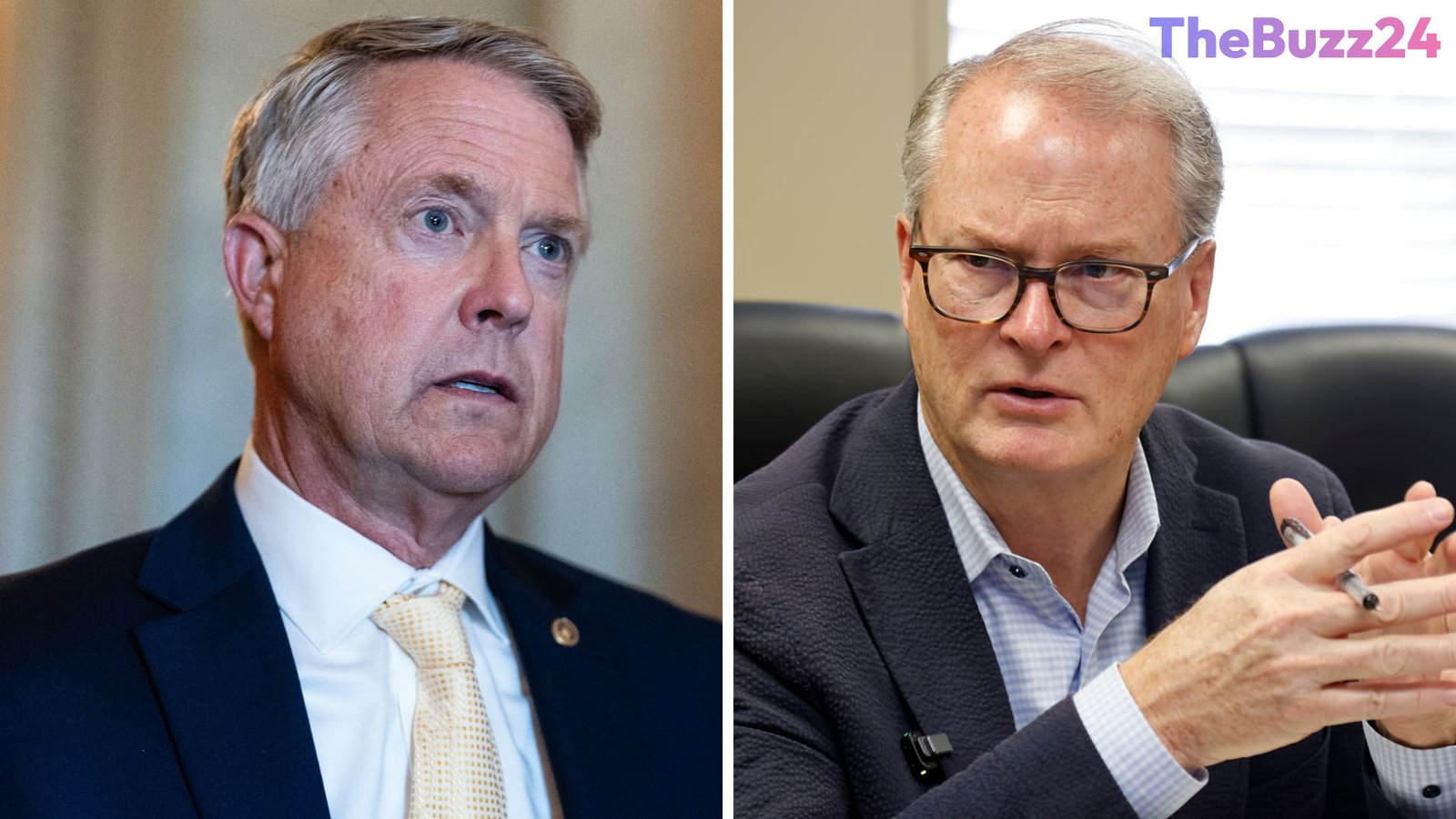
Kansas has unexpectedly transformed into a fiercely contested Senate battleground, compelling national political organizations to allocate millions of dollars to defend Republican incumbent Senator Roger Marshall. This sudden shift in a traditionally conservative state—where Donald Trump secured a 16-point victory just two years prior—stems from mounting voter frustrations over inflation, agricultural pressures, and controversial federal trade and immigration policies.
At the center of the challenge is Democratic contender Adam Hamilton, a prominent local religious leader whose crossover appeal and moderate history have resonated with independents and disaffected Republicans. Recent polling indicates a statistical dead heat, prompting election analysts to downgrade the race’s safety rating for the incumbent. Compounding the political friction are local agricultural headwinds, where retaliatory tariffs, spiking fuel expenses, and stricter immigration enforcement have strained relations between traditional GOP constituencies and federal authorities.
Senator Marshall has attempted to navigate this tightrope by selectively distancing himself from certain executive actions, particularly those threatening local aerospace manufacturing and agricultural labor supply chains. However, the incumbent also faces domestic controversies regarding his past medical practice and aggressive debt collection lawsuits, giving his opponents fresh ammunition. Despite these hurdles, Republicans maintain a historical precedent of late-cycle voter consolidation in the state, alongside a substantial financial fundraising advantage as the campaign enters its final stretch.
Key Takeaways
- Kansas has shifted from a safe Republican seat to a highly competitive Senate race ahead of the midterms.
- Challenger Adam Hamilton has built strong appeal among independent voters and moderate Republicans, narrowing the polling gap.
- National Republican groups are heavily investing in advertising campaigns to protect Senator Roger Marshall's seat.
Editor’s Analysis & Impact
The unexpected competitiveness of the Kansas Senate race highlights a broader vulnerability for the Republican party in historically safe strongholds, driven largely by local economic anxieties. Voters in agricultural and industrial sectors are feeling the pinch from national trade disputes, rising fuel costs, and labor disruptions tied to federal immigration enforcement. While historical trends suggest conservative voters often return to the GOP fold by Election Day, the race serves as a crucial barometer for how local dissatisfaction with federal policies can disrupt predictable partisan alignments. If Democrats continue to make inroads with moderate and independent voters in deep-red states through credible, localized candidates, the national strategic map for congressional control could face significant disruption.
Frequently Asked Questions
Q: Why is the Kansas Senate race considered competitive?
A: The race has tightened due to voter frustration over inflation, federal trade and immigration policies impacting local agriculture and industry, and the strong cross-over appeal of Democratic challenger Adam Hamilton.
Q: Who is running against Senator Roger Marshall?
A: Senator Roger Marshall is facing Democratic challenger Adam Hamilton, a prominent local religious leader with past political independence.
Q: How are national groups responding to the tightening polls?
A: National Republican organizations have poured millions of dollars into Kansas through targeted advertising campaigns to defend the seat and secure the party's Senate majority.
AI Disclosure: This article is based on verified data and official reports. Our Team and AI have cross-referenced every financial detail with primary sources to ensure total accuracy.
More from this Category