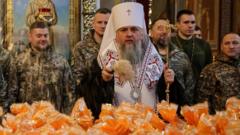
Fragile Hope: Russia and Ukraine Announce Brief Easter Ceasefire
Russian and Ukrainian military forces have committed to a temporary cessation of hostilities to coincide with the Orthodox Easter holiday. The directive, which originated from the Russian leadership, mandates a pause in offensive operations across all active fronts. The ceasefire is scheduled to commence at 16:00 local time on Saturday, April 11, and is intended to remain in effect throughout the duration of Easter Sunday.
Ukrainian President Volodymyr Zelensky has indicated that his nation is prepared to reciprocate the gesture, aiming to provide a brief window of safety for both military personnel and civilians caught in the crossfire. For those stationed on the front lines in eastern Ukraine, the agreement offers a rare respite from the persistent threat of artillery and drone strikes. Similarly, civilians who have spent months living under the constant shadow of air raid sirens may see a temporary reprieve from the violence.
Despite the announcement, international observers and local officials remain deeply skeptical regarding the durability of this agreement. History has shown that previous attempts at localized truces have frequently collapsed due to reported violations from both sides. With deep-seated mistrust and unresolved territorial disputes, the current pause is viewed by many as a symbolic gesture rather than a precursor to a lasting peace. As both nations remain entrenched in their respective positions, the international community continues to watch closely to see if this holiday truce will hold or if hostilities will resume immediately upon its conclusion.
Key Takeaways
- A temporary ceasefire is set for the Orthodox Easter weekend, beginning at 16:00 on April 11.
- Both Russian and Ukrainian leadership have signaled a willingness to pause offensive operations for the holiday.
- Widespread skepticism persists due to the failure of previous ceasefire attempts and ongoing mutual distrust.
Editor’s Analysis & Impact
The declaration of an Easter truce represents a fragile diplomatic development in a conflict that has remained largely stagnant. From a geopolitical standpoint, such pauses are rarely indicative of a genuine shift toward peace; instead, they often serve as tactical resets or symbolic gestures designed to satisfy international calls for humanitarian relief. The impact on the broader conflict is expected to be minimal, as the fundamental disagreements regarding sovereignty and territorial integrity remain entirely unaddressed. The primary risk is the high probability of a swift return to full-scale combat, which would further diminish the credibility of future diplomatic efforts. Until both parties move beyond temporary, localized pauses toward a comprehensive framework for de-escalation, the conflict will continue to exert significant pressure on regional stability and global markets.
Frequently Asked Questions
Q: When is the Easter ceasefire scheduled to take place?
A: The ceasefire is set to begin at 16:00 local time on Saturday, April 11, and will continue through the end of Easter Sunday.
Q: Why is there doubt regarding the success of this truce?
A: Skepticism is driven by the failure of previous ceasefire attempts, which were frequently undermined by reports of military violations and continued hostilities from both sides.
AI Disclosure: This article is based on verified data and official reports. Our Team and AI have cross-referenced every financial detail with primary sources to ensure total accuracy.
More from this Category