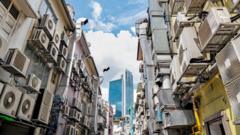
Singapore Shifts Cooling Strategy to Combat Rising Energy Costs
In a strategic move to address the volatility of global energy markets, Singapore has implemented new cooling mandates for its government facilities. Public offices are now required to maintain indoor temperatures at a minimum of 25 degrees Celsius (77 degrees Fahrenheit). This policy marks a significant shift for the nation, which has traditionally utilized aggressive air conditioning to maintain workplace productivity in its tropical climate.
Beyond simple thermostat adjustments, the government is launching a broader energy-efficiency initiative. This program involves retrofitting public infrastructure with smart sensors and energy-efficient LED lighting to curb power waste. Officials estimate that raising the thermostat by just one degree can result in a 10% reduction in energy consumption. Furthermore, employees are being encouraged to utilize fans and adopt sustainable commuting practices to further reduce the nation’s overall fuel footprint.
These measures are a direct response to the economic pressures caused by unstable global fuel supply chains, particularly those originating from the Middle East, which supplies the majority of Singapore’s crude oil. While the government has not yet implemented fuel rationing, these proactive steps are designed to mitigate potential economic disruptions. Similar conservation efforts are currently being adopted across Southeast Asia, as neighboring nations like Thailand and the Philippines also seek to manage the rising costs of imported energy.
Key Takeaways
- Singapore has mandated a minimum indoor temperature of 25 degrees Celsius in government buildings to reduce energy usage.
- The initiative includes technological upgrades such as smart sensors and LED lighting to improve building efficiency.
- The policy serves as a proactive measure against global fuel price volatility and supply chain vulnerabilities.
Editor’s Analysis & Impact
The shift in Singapore’s energy policy signals a critical turning point for highly developed, tropical economies that have historically viewed air conditioning as a non-negotiable utility. By moving away from the traditional model of pervasive, low-temperature cooling, the government is acknowledging the fragility of energy supply chains in an increasingly volatile geopolitical landscape. This move is likely to set a precedent for corporate Singapore, potentially forcing private sector businesses to adopt similar ESG-aligned cooling standards. Long-term, this crisis serves as a catalyst for the region to accelerate its transition toward energy diversification and renewable alternatives, reducing the heavy reliance on imported crude oil that has left these nations vulnerable to external price shocks.
Frequently Asked Questions
Q: Why is Singapore raising the minimum temperature in government offices?
A: The government is raising temperatures to 25 degrees Celsius to reduce energy consumption and costs in response to rising global fuel prices and supply chain instability.
Q: Are other countries in the region taking similar measures?
A: Yes, countries like Thailand and the Philippines have implemented their own energy-saving campaigns, including setting higher thermostat limits and promoting carpooling to manage the economic impact of high fuel costs.
AI Disclosure: This article is based on verified data and official reports. Our Team and AI have cross-referenced every financial detail with primary sources to ensure total accuracy.
More from this Category