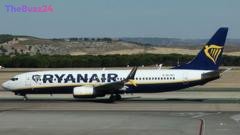
Ryanair Eyes Pay Freeze and Fare Hikes Amid Soaring Fuel Costs
Ryanair is contemplating a temporary freeze on employee wages as a measure to offset a significant increase in its fuel expenses. The airline attributes this surge in costs, in part, to the ongoing conflict between the United States and Iran, which has disrupted global energy markets.
The budget carrier anticipates that elevated fuel prices will persist for an extended period, potentially extending into 2027, unless the geopolitical situation resolves quickly. Ryanair has projected an immediate increase of €2 billion in its fuel expenditure. To mitigate these rising costs, the airline is exploring various strategies, including the possibility of implementing temporary pay freezes for its staff.
These financial pressures come as Ryanair reported a 16% decline in pre-tax profits, reaching €2.4 billion for the six months concluding in September. While the airline has hedged 80% of its fuel costs, securing prices in advance, the remaining 20% has seen its cost double. Aviation fuel prices have been on an upward trajectory throughout the year, exacerbated by supply chain disruptions stemming from the Middle East war.
Ryanair’s chief executive, Michael O’Leary, has previously indicated expectations for both Ryanair and other airlines to raise ticket prices by 15% to 20% in the upcoming year. The airline’s consideration of pay freezes and fare increases underscores the significant impact of global economic and geopolitical events on the aviation industry.
Key Takeaways
- Ryanair is considering a temporary wage freeze for staff due to rising fuel costs.
- The airline expects fuel prices to remain high until at least 2027, impacting its profitability.
- Ryanair anticipates an increase in European airfares to help cover the additional €2 billion in fuel expenses.
Editor’s Analysis & Impact
The potential pay freeze and fare hikes at Ryanair highlight the severe financial strain the aviation sector is experiencing due to volatile fuel prices, exacerbated by geopolitical instability. This situation could lead to reduced consumer spending on air travel and put pressure on other airlines to follow suit, potentially reshaping the competitive landscape. The long-term outlook for fuel costs remains uncertain, suggesting that airlines will need to implement robust hedging strategies and operational efficiencies to navigate these challenging economic conditions and maintain profitability.
Frequently Asked Questions
Q: Why is Ryanair considering a pay freeze?
A: Ryanair is considering a pay freeze to help offset a significant increase in its fuel costs, which have surged due to global events like the US-Israel war.
Q: How much are Ryanair's fuel costs expected to increase?
A: Ryanair forecasts its fuel bill to be €2 billion higher in the short-term.
Q: Will airfares increase because of these costs?
A: Yes, Ryanair expects European airfares to increase to help cover the higher fuel expenses, with its CEO predicting a 15% to 20% rise next year.
AI Disclosure: This article is based on verified data and official reports. Our Team and AI have cross-referenced every financial detail with primary sources to ensure total accuracy.
More from this Category