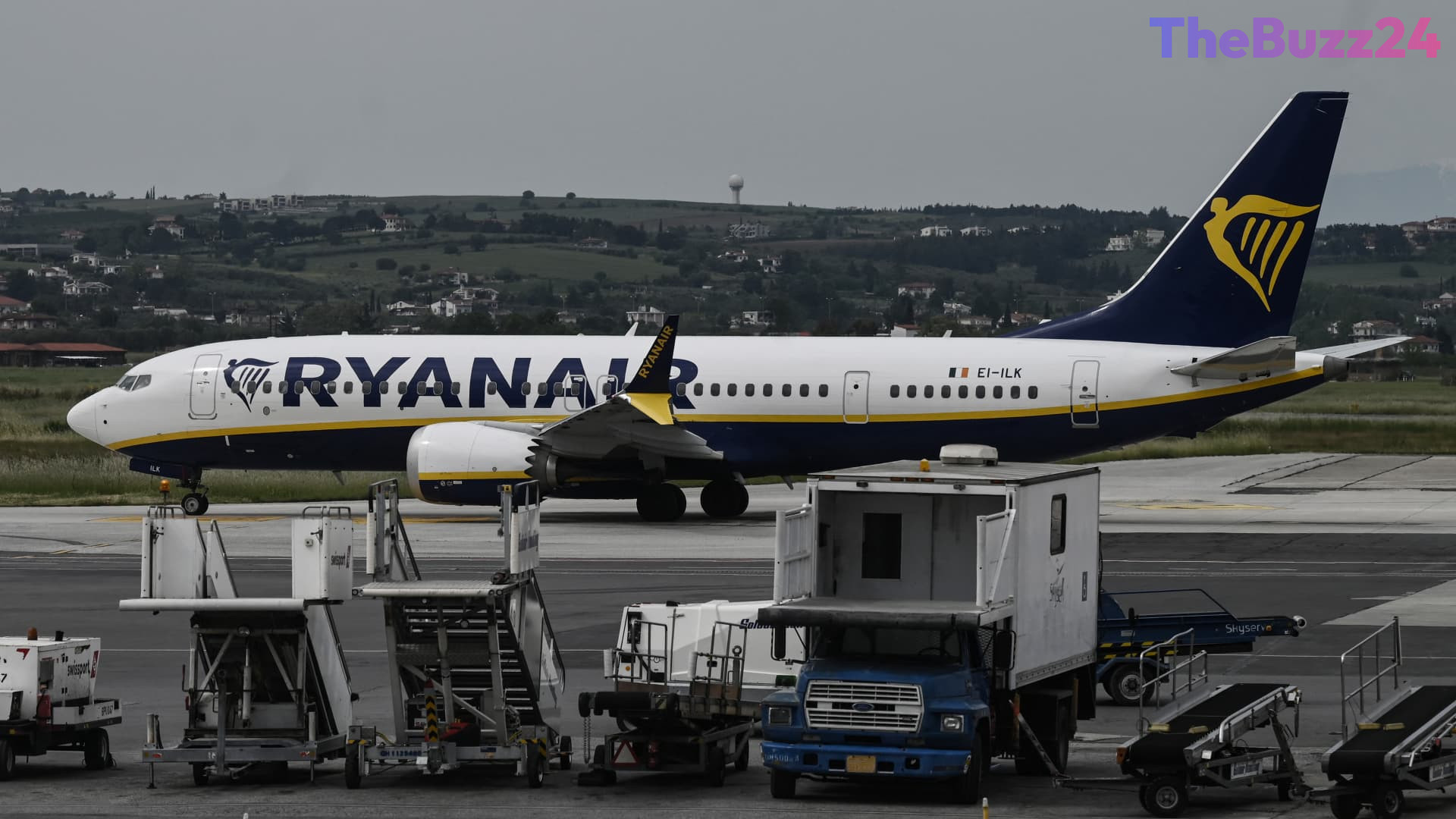
Ryanair Reports Profit Dip Amid Geopolitical Uncertainty and Rising Fuel Costs
Ryanair has reported a 34% decline in first-quarter profit, with earnings falling to 538 million euros. The budget airline attributed the downturn to a combination of rising fuel costs and a softening in ticket prices, as consumer behavior shifts toward last-minute bookings due to ongoing instability in the Middle East. Despite the dip, the company maintains that passenger demand remains robust, with millions of travelers continuing to utilize its services.
CEO Michael O’Leary noted that while the airline is seeing consistent traffic, the geopolitical climate has created a period of consumer hesitancy. This uncertainty has forced the carrier to lower fares to stimulate demand, impacting overall revenue. Furthermore, operating costs surged by 11% to 3.81 billion euros, driven largely by the volatility of unhedged jet fuel prices, which have seen significant spikes compared to the previous year.
Looking ahead, Ryanair leadership warned that the broader European aviation sector may face a difficult winter. The airline’s management expects that smaller, less capitalized carriers will struggle to navigate the high-cost environment, potentially leading to a market shakeout. Ryanair, which recently cleared its final bond debt, believes its strong balance sheet and conservative hedging strategy provide a distinct competitive advantage as it heads into the more challenging winter season.
Key Takeaways
- Ryanair's first-quarter profit fell 34% to 538 million euros due to higher fuel costs and lower ticket prices.
- Geopolitical instability in the Middle East has caused consumers to delay travel bookings, forcing the airline to lower fares to maintain volume.
- Management anticipates a difficult winter for the European aviation industry, predicting that weaker airlines may face financial failure.
Editor’s Analysis & Impact
Ryanair’s latest earnings report highlights the precarious nature of the European aviation sector in the face of geopolitical volatility. By maintaining a debt-free status and a conservative fuel-hedging strategy, the airline is positioning itself to weather the storm better than its peers. However, the reliance on ‘close-in’ bookings suggests that consumer confidence remains fragile. The broader industry implication is a likely consolidation of the market; as fuel prices remain elevated and operational costs climb, smaller carriers with thinner margins will struggle to survive the winter months. Ryanair’s ability to maintain high load factors through aggressive pricing, while offsetting lower ticket revenue with ancillary services, remains a critical case study in budget airline resilience. Investors should watch for further capacity adjustments across the sector as weaker players exit the market.
Frequently Asked Questions
Q: Why did Ryanair's profits fall in the first quarter?
A: Profits fell due to a 34% increase in operating costs, driven by rising unhedged fuel prices and a 6% decline in ticket fares caused by consumer hesitancy amid Middle East conflicts.
Q: Is there a shortage of travelers for Ryanair?
A: No. According to company executives, there is no shortage of demand; however, travelers are booking their flights much closer to their departure dates rather than in advance.
AI Disclosure: This article is based on verified data and official reports. Our Team and AI have cross-referenced every financial detail with primary sources to ensure total accuracy.
More from this Category