Saab Soars Past Earnings Expectations Amid European Defense Spending Surge
Swedish defense giant Saab has reported a significant second-quarter performance, exceeding financial expectations as a result of heightened global demand for military hardware. The company’s robust earnings reflect the ongoing rearmament efforts across Europe, driven by geopolitical shifts and a renewed focus on national security.
Saab’s order backlog has reached an unprecedented level, standing at 317.7 billion Swedish crowns, a substantial increase from 197.6 billion crowns recorded a year prior. This marks the fifth consecutive quarter of growth for the company’s order book, underscoring the sustained demand for its advanced defense systems, which include fighter jets, submarines, missiles, and sophisticated electronics.
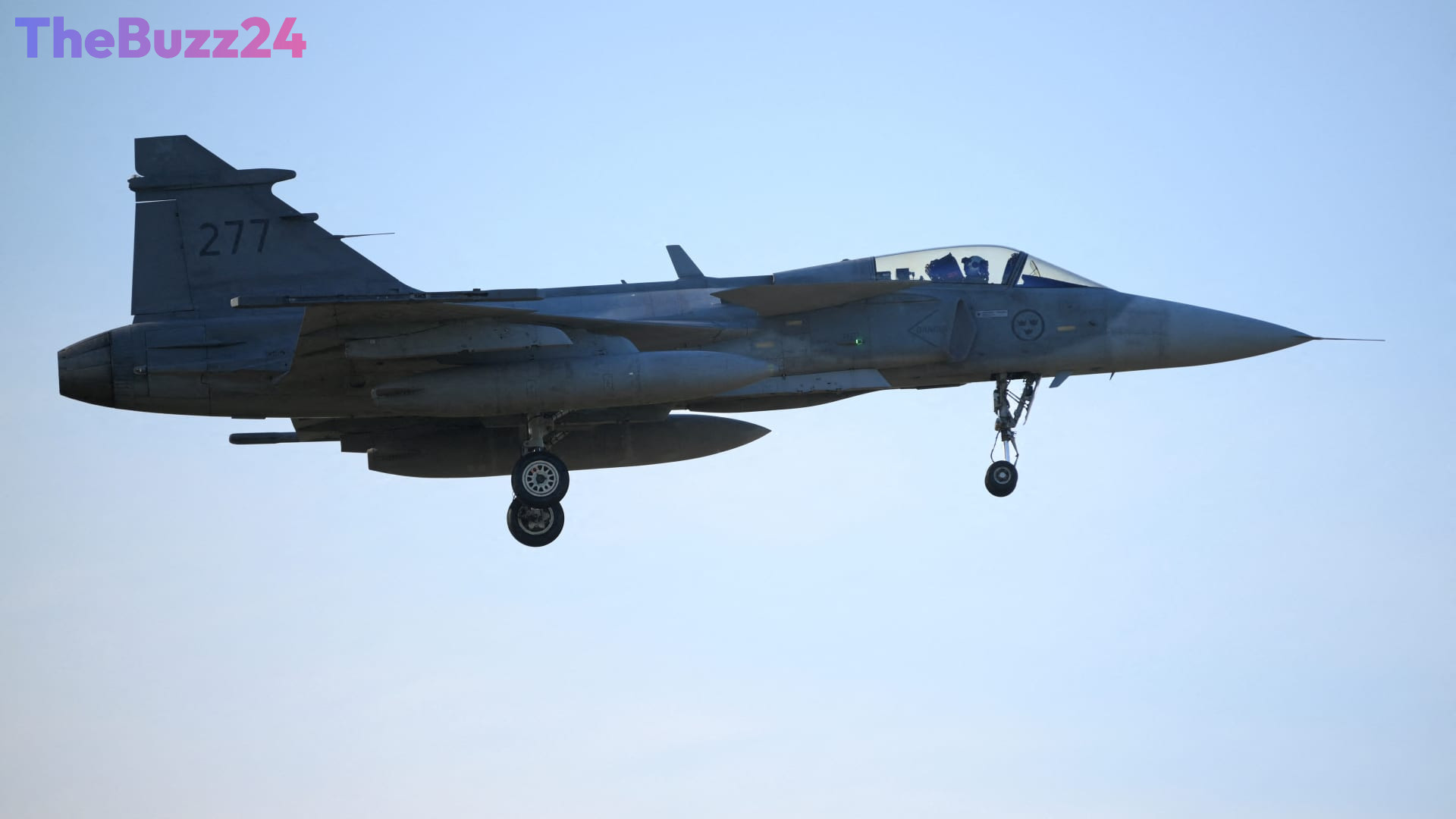
CEO Micael Johansson emphasized the critical need for European nations to overhaul their traditional defense procurement strategies. He advocated for a transition from fragmented, national purchasing processes to more integrated, long-term industrial partnerships. This strategic shift, Johansson believes, is essential for industry to effectively meet the escalating demands and deliver on the substantial defense spending pledges being made by governments. The company is also looking to significantly increase its production capacity for Gripen fighter jets, aiming to produce between 20 to 30 aircraft annually, with potential for further expansion if collaborative partnerships are solidified.
The company’s financial results for the second quarter showed sales of 25.5 billion crowns, surpassing analyst estimates, and an operating profit (EBIT) of 2.8 billion crowns, also exceeding expectations. These strong figures contributed to a notable rise in Saab’s stock value, even as broader market indices experienced declines. The surge in demand is largely attributed to the ongoing conflict in Ukraine and a broader reassessment of security postures by European nations, including Sweden’s recent accession to NATO.
Key Takeaways
- Saab significantly surpassed second-quarter earnings expectations due to strong demand for military equipment.
- The company's order backlog has reached a record high of 317.7 billion Swedish crowns, indicating sustained growth.
- CEO Micael Johansson called for a fundamental rethink of European defense procurement, advocating for long-term industry partnerships.
Editor’s Analysis & Impact
Saab’s impressive financial results highlight a significant trend: the substantial increase in defense spending across Europe. The company’s soaring order backlog and exceeding earnings are direct consequences of heightened geopolitical tensions and a strategic pivot by European nations towards bolstering their military capabilities. This environment presents a considerable opportunity for defense contractors like Saab, but also introduces challenges related to scaling production and supply chain management. The CEO’s call for a new procurement model suggests a potential shift towards greater industry-government collaboration, which could streamline future acquisitions and foster innovation. Investors will be closely watching Saab’s ability to execute on its expanded order book and manage production increases efficiently.
Frequently Asked Questions
Q: What is Saab's current order backlog?
A: Saab's order backlog currently stands at 317.7 billion Swedish crowns, a significant increase from the previous year.
Q: Why is demand for military equipment increasing?
A: The demand is driven by heightened geopolitical tensions, particularly Russia's invasion of Ukraine, and a broader reassessment of national security needs by European governments, leading to increased defense spending.
Q: What changes is Saab's CEO proposing for defense procurement?
A: CEO Micael Johansson is advocating for a move away from fragmented national procurement towards long-term, collaborative partnerships between governments and defense industries to improve efficiency and scale.
AI Disclosure: This article is based on verified data and official reports. Our Team and AI have cross-referenced every financial detail with primary sources to ensure total accuracy.
More from this Category