Spain Challenges U.S. Middle East Policy Amid Fragile Ceasefire
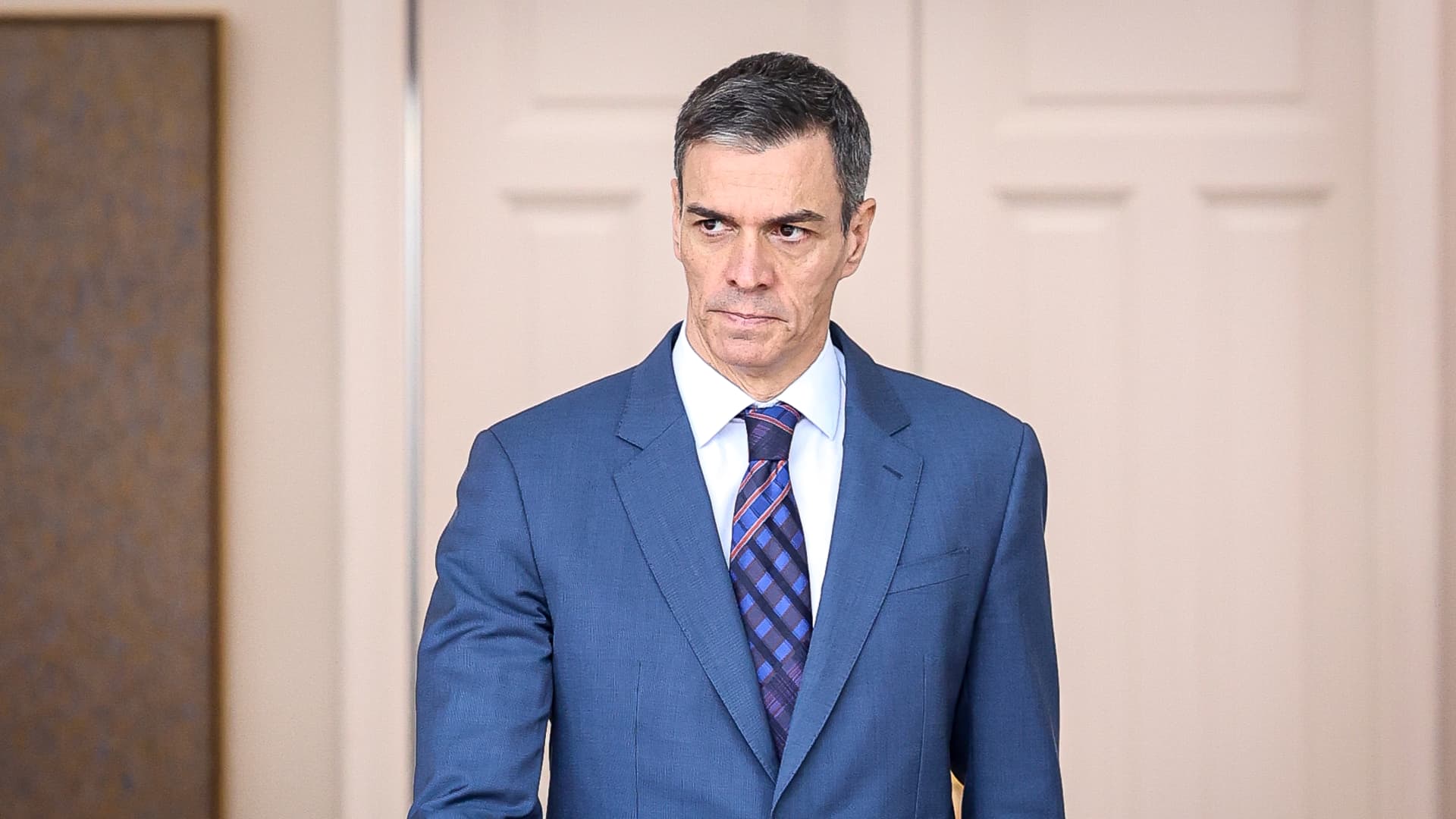
Spanish Prime Minister Pedro Sánchez has launched a pointed critique of American foreign policy, asserting that U.S. actions have been a primary driver of instability in the Middle East. While a two-week ceasefire between the U.S. and Iran has provided a brief respite from active combat, Sánchez emphasized that this temporary pause does not mitigate the accountability required for the significant destruction and loss of life witnessed during the recent escalation of hostilities.
In a move that signals a growing rift within Western diplomatic circles, the Spanish government has taken tangible steps to distance itself from U.S. and Israeli military operations. Madrid has officially denied the U.S. access to Spanish military bases for strike operations and has closed its national airspace to any aircraft involved in the conflict. These assertive policy shifts have reportedly led to friction with Washington, with indications that the U.S. may leverage trade agreements and defense spending commitments as diplomatic pressure against Spain.
Although the ceasefire, successfully brokered by Pakistan, has been met with cautious optimism by various international leaders, the long-term prospects for peace remain uncertain. Analysts point to the deep-seated mistrust between the involved parties as a major hurdle to a lasting resolution. While the current truce has allowed for the resumption of transit through the critical Strait of Hormuz, the international community is now looking toward upcoming negotiations in Islamabad to determine if a more permanent diplomatic framework can be established.
Key Takeaways
- Spanish Prime Minister Pedro Sánchez has publicly condemned U.S. foreign policy, arguing it exacerbates regional instability in the Middle East.
- Spain has implemented restrictive measures, including denying U.S. military base access and closing its airspace, to distance itself from ongoing conflicts.
- Despite a Pakistan-brokered ceasefire, experts remain skeptical about long-term stability due to persistent distrust between the U.S. and Iran.
Editor’s Analysis & Impact
The diplomatic friction between Spain and the United States highlights a growing divide within Western alliances regarding Middle Eastern interventionism. By prioritizing national sovereignty and regional stability over traditional military alignment, the Spanish government is signaling a shift toward a more independent European foreign policy. This stance creates a complex geopolitical landscape where trade and defense agreements are increasingly used as tools of political coercion. The fragility of the current ceasefire underscores that without a fundamental shift in the trust deficit between Washington and Tehran, the region remains susceptible to renewed volatility. Moving forward, the success of the Islamabad negotiations will serve as a bellwether for whether European nations can successfully maintain a neutral, de-escalatory posture while navigating the economic pressures imposed by their traditional allies.
Frequently Asked Questions
Q: Why has Spain restricted the use of its military bases by the U.S.?
A: The Spanish government, led by Pedro Sánchez, has restricted base access and airspace to distance itself from U.S. and Israeli military actions that it views as destabilizing to the Middle East.
Q: Who brokered the current ceasefire between the U.S. and Iran?
A: The two-week ceasefire was brokered by Pakistan, with further negotiations scheduled to take place in Islamabad.
AI Disclosure: This article is based on verified data and official reports. Our Team and AI have cross-referenced every financial detail with primary sources to ensure total accuracy.
More from this Category