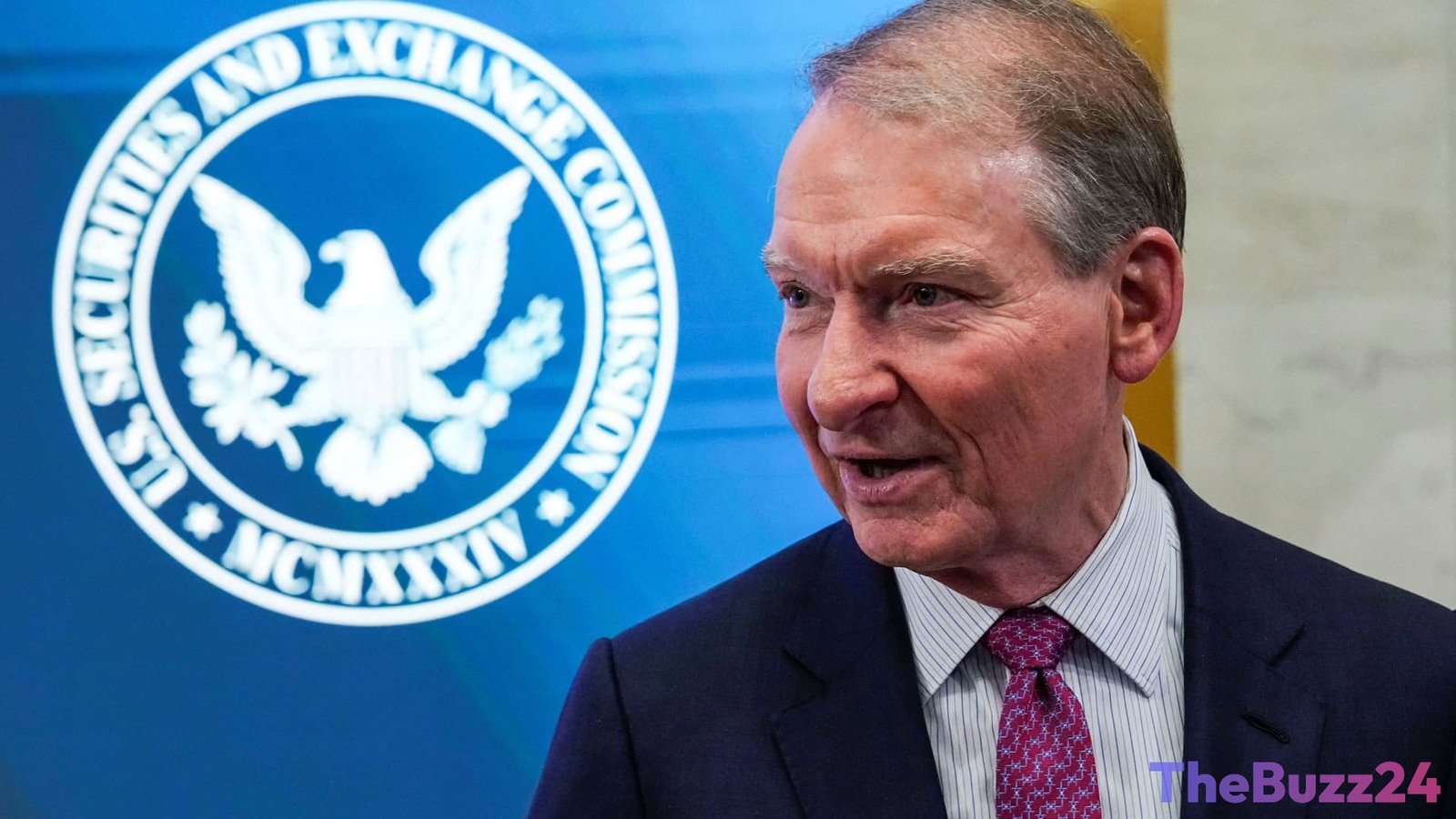
SEC Greenlights Tokenized Stocks, Paving Way for Enhanced Market Accessibility and 24/7 Trading
The U.S. Securities and Exchange Commission (SEC) has unveiled a temporary regulatory framework designed to facilitate the trading of certain tokenized stocks, marking a significant step towards integrating blockchain technology into traditional financial markets. This “Innovation Exemption,” effective immediately, aims to foster responsible innovation while maintaining investor protections and market integrity. The move comes shortly after the “Clarity Act,” a legislative effort to define digital asset regulation, failed to advance in the Senate, prompting the SEC to leverage its existing authority to shape the crypto industry’s regulatory landscape.
Under the new exemption, trading platforms and liquidity providers can issue tokenized representations of publicly traded U.S. stocks, provided they adhere to specific conditions. Crucially, holders of these stock tokens must retain the identical rights as traditional equity holders, including dividend entitlements and voting rights. Furthermore, companies whose securities are to be tokenized possess the right to object, preventing their shares from being represented as tokens. Platforms must notify companies of their intent and observe a 30-day waiting period, during which an objection would halt the tokenization process.
This five-year exemption is part of the SEC’s “Project Crypto” initiative, launched last year, which seeks to bring America’s financial markets onto blockchain networks. SEC Chair Paul Atkins emphasized that this measure is not intended to cement current technology but rather to allow the market to evolve, gather insights, and inform a more agile future regulatory framework. The potential benefits of tokenization include improved accessibility, enhanced liquidity, and the possibility of 24/7 trading, integrating more seamlessly with blockchain-based financial infrastructure. However, concerns about increased volatility and exposure to price swings during thinner trading activity have led the exemption to include volume limits to mitigate these risks.
The debate surrounding tokenized stocks has previously seen public contention, notably between the CEOs of Robinhood and AMC, regarding shareholder rights. In response to these concerns and aligning with the new SEC stipulations, Robinhood has announced plans to allow stock-token holders to redeem their tokens for underlying shares on a 1:1 basis and to incorporate voting rights. While major platforms like Coinbase, Robinhood, Gemini, and Payward’s Kraken have already launched offshore tokenized equity offerings, this SEC action clears a path for their introduction to U.S. customers under a defined regulatory umbrella.
Key Takeaways
- The SEC has introduced a temporary "Innovation Exemption" to allow the trading of certain tokenized U.S. stocks, aiming to foster responsible innovation.
- Key conditions for tokenized stocks include ensuring holders retain all traditional shareholder rights (e.g., voting, dividends) and granting companies the right to object to their securities being tokenized.
- This regulatory pathway is part of the SEC's "Project Crypto" to integrate blockchain into financial markets, potentially enabling 24/7 trading and improved liquidity, with safeguards against volatility.
Editor’s Analysis & Impact
The SEC’s “Innovation Exemption” represents a pivotal moment for the integration of blockchain technology into mainstream U.S. financial markets. By providing a temporary, yet structured, regulatory pathway for tokenized stocks, the commission is acknowledging the transformative potential of tokenization while attempting to mitigate inherent risks. This move could significantly accelerate institutional adoption of digital assets, potentially leading to more efficient capital markets, enhanced liquidity, and the long-anticipated shift towards 24/7 trading. The emphasis on retaining traditional shareholder rights and corporate consent is crucial for building trust and ensuring market integrity. While this isn’t a permanent rulemaking, it sets a precedent and provides valuable data that will inform future, more comprehensive legislation, potentially reshaping how securities are issued, traded, and settled globally. The market will closely watch how platforms adapt and how investor and corporate confidence evolves under this new framework.
Frequently Asked Questions
Q: What are tokenized stocks?
A: Tokenized stocks are digital representations of traditional publicly traded securities issued on a blockchain network. They aim to provide the same economic and shareholder rights as conventional shares but leverage blockchain for potentially improved accessibility, liquidity, and faster settlement.
Q: What are the main conditions for trading tokenized stocks under the new SEC exemption?
A: The primary conditions are that holders of tokenized stocks must retain all the same rights as traditional shareholders, including voting rights and dividend entitlements. Additionally, companies have the right to object to their securities being tokenized, preventing their shares from being traded in this format.
Q: How does this SEC action impact the future of financial markets?
A: This temporary exemption is a significant step towards integrating blockchain into U.S. financial markets, potentially paving the way for 24/7 trading, increased liquidity, and greater efficiency. It's expected to inform future, more permanent regulations and could accelerate the adoption of digital assets by institutional investors.
AI Disclosure: This article is based on verified data and official reports. Our Team and AI have cross-referenced every financial detail with primary sources to ensure total accuracy.
More from this Category