Seeing the Unseen: Capturing the Milky Way Above New York City
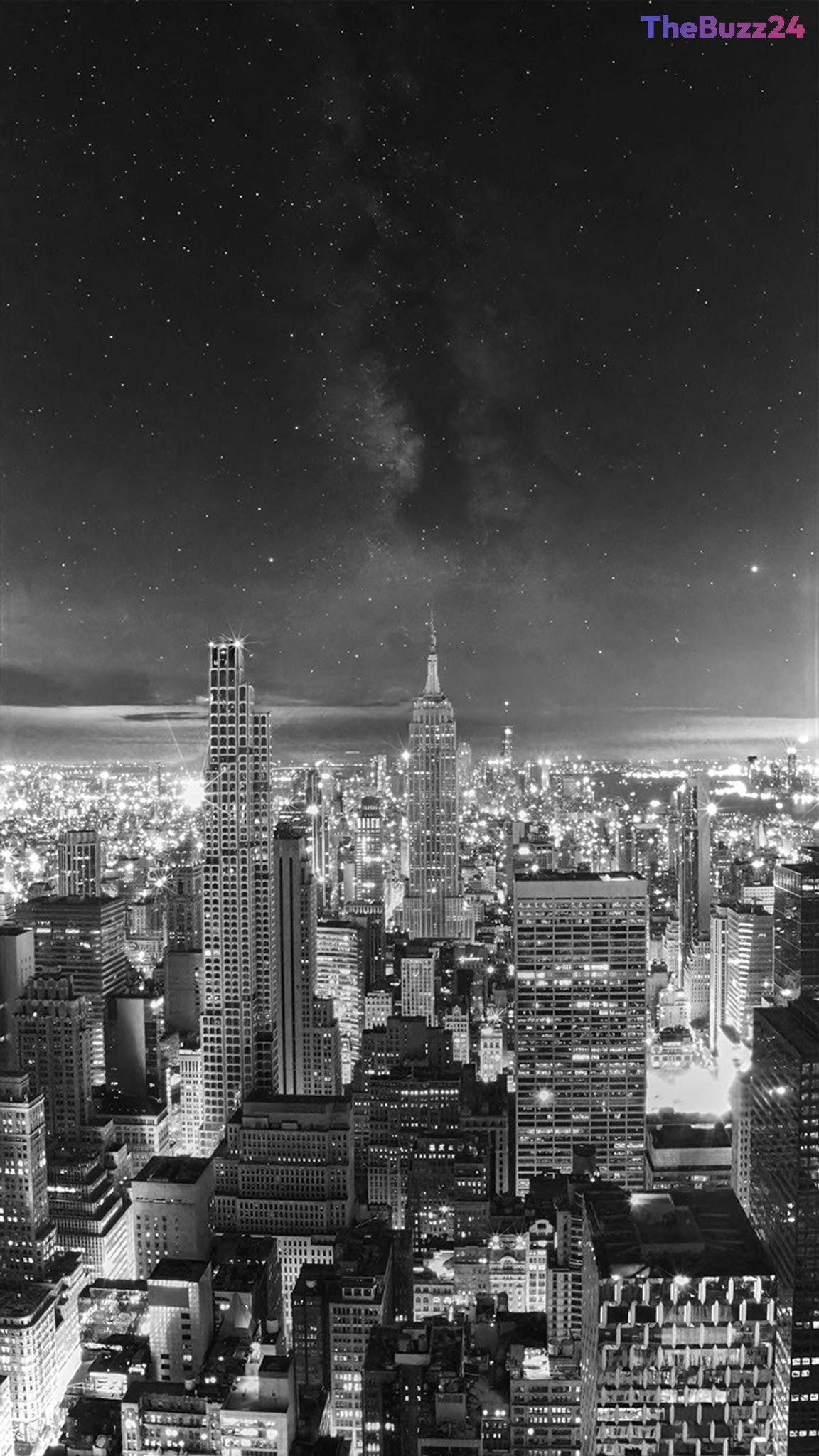
In a remarkable feat of astrophotography, a new image has revealed the Milky Way hovering above the dense urban landscape of Manhattan. While the ‘City That Never Sleeps’ is typically known for light pollution that obscures the night sky, photographers Jason Kurth and Ty Buckley managed to bypass these limitations using specialized near-infrared imaging techniques.
By utilizing a filter designed to block the majority of visible light, the team was able to isolate specific wavelengths in the near-infrared spectrum. This approach effectively neutralized the glow from modern fluorescent and LED street lighting, which are notoriously difficult for astronomers to filter out. Because stars remain bright in the near-infrared range, the resulting image captures the celestial structure of our galaxy against the backdrop of the iconic New York skyline.
This project serves as a technical demonstration of how advanced imaging can overcome environmental challenges. It highlights the contrast between human-made light and the natural cosmos, offering a rare perspective on how the universe might appear if our eyes were sensitive to different parts of the electromagnetic spectrum. The image stands as a testament to both the persistence of light pollution in urban centers and the ingenuity of modern photography in revealing the hidden beauty of the night sky.
Key Takeaways
- Photographers captured the Milky Way over Manhattan using near-infrared imaging to bypass urban light pollution.
- The technique works by filtering out light from modern LED and fluorescent bulbs while allowing near-infrared light from stars to pass through.
- The project demonstrates how specialized equipment can reveal celestial features that are otherwise invisible to the naked eye in major cities.
Editor’s Analysis & Impact
The successful capture of the Milky Way over a major metropolitan area like Manhattan represents a significant intersection of amateur astronomy and optical engineering. As urban centers continue to expand, light pollution remains a primary obstacle for both professional and hobbyist astronomers. This experiment proves that near-infrared photography is a viable, albeit complex, workaround for those operating in high-density environments. From an industry perspective, this highlights a growing market for specialized optical filters and sensor modifications that allow for non-visible light spectrum photography. As consumer-grade cameras become more sophisticated, we can expect to see more ‘impossible’ astronomical shots that challenge our traditional understanding of what can be observed from the ground in light-polluted regions. This trend not only democratizes space observation but also fosters greater public interest in astronomy by bringing the cosmos into the heart of the city.
Frequently Asked Questions
Q: How were the photographers able to see the Milky Way through city lights?
A: They used a near-infrared filter that blocks visible light from modern LED and fluorescent sources while allowing the near-infrared light emitted by stars to be captured by the camera sensor.
Q: Why is Manhattan usually a bad place for stargazing?
A: Manhattan suffers from extreme light pollution, where the brightness of streetlights and building illumination washes out the faint light of distant stars and the Milky Way.
AI Disclosure: This article is based on verified data and official reports. Our Team and AI have cross-referenced every financial detail with primary sources to ensure total accuracy.
More from this Category