Senate Recess Halts DHS Funding Amid Controversy Over Trump-Era Projects
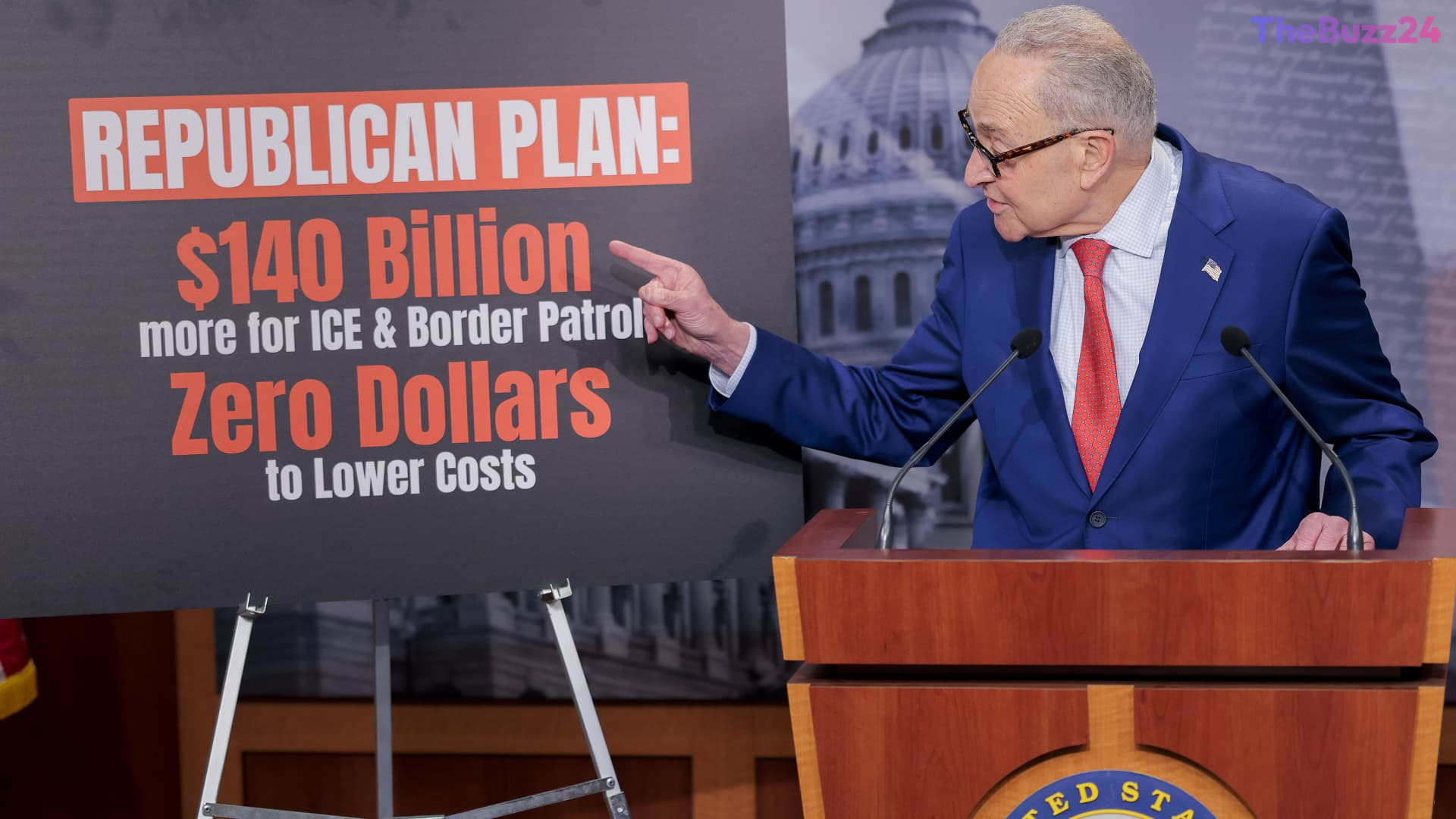
The U.S. Senate has adjourned for a week-long recess, leaving a crucial funding bill for immigration enforcement agencies within the Department of Homeland Security in limbo. The delay means Congress will likely miss President Donald Trump’s previously set June 1 deadline for the legislation, which aims to provide additional resources for Immigration and Customs Enforcement (ICE) and Customs and Border Protection (CBP).
Legislative advancement was stymied by significant disagreements over several key provisions within the proposed $72 billion package. A major point of contention is a $1.8 billion ‘anti-weaponization’ fund, which has drawn criticism from some Republicans due to concerns about a lack of oversight and the potential for its misuse to benefit political allies. Further complicating matters is a $1 billion allocation for the Secret Service, which includes funds for security enhancements around a proposed White House ballroom. While the administration asserts the ballroom is a privately funded project, the use of taxpayer money for associated security has ignited internal debate and procedural hurdles.
Senate Democrats, led by Minority Leader Chuck Schumer, have indicated plans to leverage the upcoming legislative sessions to force votes on these contentious elements. Through a ‘vote-a-rama’ process, they intend to expose divisions within the Republican party concerning the administration’s spending priorities. As the Senate prepares to reconvene, the future of the DHS funding bill remains uncertain, foreshadowing potentially protracted debates on government expenditures and executive accountability.
Key Takeaways
- The U.S. Senate has adjourned without passing a critical DHS funding bill, missing a key deadline.
- Disagreements over a $1.8 billion 'anti-weaponization' fund and Secret Service security for a proposed White House ballroom are stalling progress.
- Democrats plan to use procedural tactics to highlight divisions within the GOP on spending priorities.
Editor’s Analysis & Impact
This legislative impasse highlights the deep partisan divides and internal party conflicts that can derail essential government funding. The controversy surrounding the ‘anti-weaponization’ fund and Secret Service allocations points to broader concerns about fiscal responsibility and the potential for political influence in government spending. The delay in DHS funding could impact operational capabilities of critical border and immigration agencies, while the procedural maneuvers by Democrats suggest a strategic effort to leverage these issues for political gain ahead of future elections. The outcome will likely set a precedent for how such contentious budget items are handled moving forward.
Frequently Asked Questions
Q: What is the 'vote-a-rama' procedure?
A: A 'vote-a-rama' is a legislative process, typically in the U.S. Senate, where senators hold a series of votes on amendments to a bill, often occurring throughout the night with minimal breaks. It's frequently used to force votes on controversial issues and highlight political differences.
Q: What are the main points of contention in the DHS funding bill?
A: The primary disputes revolve around a $1.8 billion fund with alleged lack of oversight, potentially for political payouts, and a $1 billion provision for the Secret Service that includes security costs for a proposed White House ballroom.
Q: What is the significance of the June 1 deadline?
A: The June 1 deadline was set by President Donald Trump for the passage of this supplemental funding legislation, intended to provide crucial resources for immigration enforcement agencies like ICE and CBP.
AI Disclosure: This article is based on verified data and official reports. Our Team and AI have cross-referenced every financial detail with primary sources to ensure total accuracy.
More from this Category