Senate Vote Sparks Controversy Over Mining Near Boundary Waters Wilderness
The United States Senate has narrowly approved a resolution to reverse a 20-year moratorium on mining activities within Minnesota’s Superior National Forest. The 50-49 vote serves as a direct challenge to the protection order implemented by the Biden administration in 2023, potentially clearing a path for Twin Metals Minnesota, a subsidiary of the Chilean firm Antofagasta, to resume its efforts to extract minerals from the Duluth Complex. The site is known to hold substantial reserves of copper, nickel, cobalt, and platinum.
Proponents of the resolution, including Representative Pete Stauber, argue that the move is essential for bolstering domestic supply chains and reducing the nation’s dependence on foreign mineral imports. By invoking the Congressional Review Act, supporters have bypassed traditional regulatory hurdles, framing the project as a necessary economic driver for local communities and a strategic move for national resource security. They contend that tapping into these underground deposits is vital for modern industrial and technological needs.
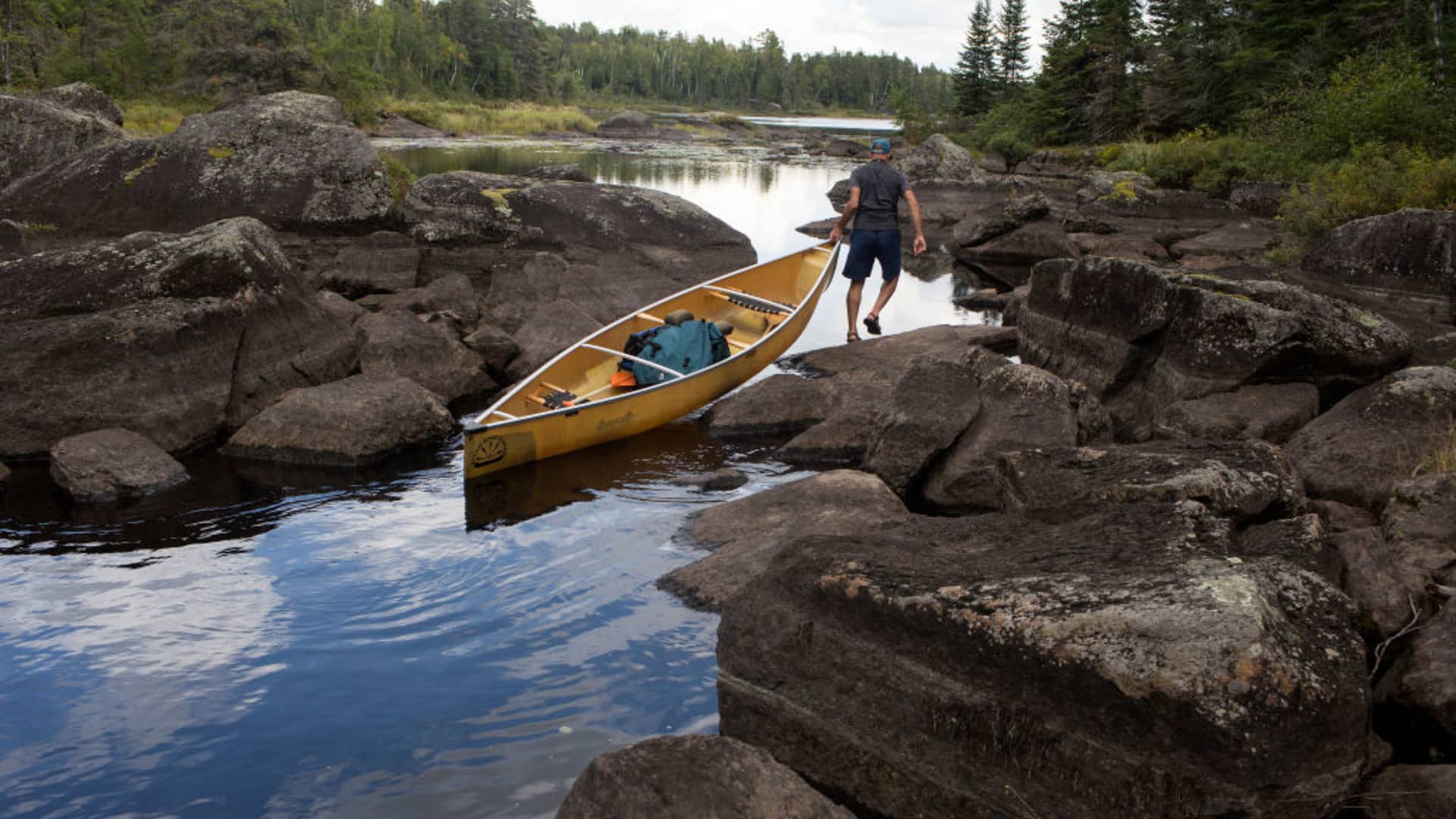
However, the decision has drawn sharp criticism from environmental advocates and several lawmakers, including Senators Amy Klobuchar and Tina Smith. Critics warn that the proximity of the proposed mining operations to the Boundary Waters Canoe Area Wilderness poses a severe threat to the region’s delicate ecosystem. The primary concern centers on the potential for toxic chemical runoff, which opponents argue could permanently degrade the water quality of one of the most visited wilderness areas in the country. While developers insist their operations are safely distanced from protected zones, environmentalists maintain that the interconnected nature of the local watershed makes the risk of contamination unavoidable.
As the resolution heads toward the executive branch, the conflict highlights a growing national divide regarding land use policy and the transition to green energy. The debate pits the necessity of domestic resource extraction against the preservation of federally protected public lands. With environmental groups signaling their intent to pursue further legal action, the future of mining in the Superior National Forest remains a contentious focal point in American environmental policy.
Key Takeaways
- The Senate voted 50-49 to overturn a 20-year mining moratorium in Minnesota's Superior National Forest.
- The legislative push aims to secure domestic access to critical minerals like copper and nickel for industrial use.
- Environmental groups and local lawmakers warn that the project could cause irreversible damage to the Boundary Waters Canoe Area Wilderness.
Editor’s Analysis & Impact
The Senate’s recent vote marks a pivotal moment in the ongoing struggle between industrial development and environmental preservation. By utilizing the Congressional Review Act, proponents have signaled a shift toward prioritizing domestic mineral security, even at the expense of established land protections. This move carries significant industry implications, potentially setting a precedent for future challenges to mining bans across the U.S. However, the project faces a difficult road ahead; the intense political and public backlash suggests that any attempt to initiate mining operations will be met with prolonged litigation and significant reputational challenges. The broader implication is a hardening of ideological battle lines, where the demand for raw materials required for the green energy transition directly clashes with the mandate to protect sensitive ecosystems, ensuring this issue remains a flashpoint in national policy.
Frequently Asked Questions
Q: What is the primary goal of the mining project in the Superior National Forest?
A: The project aims to extract critical minerals, including copper, nickel, cobalt, and platinum, which are essential for various industrial and technological applications.
Q: Why are environmentalists concerned about the Senate's decision?
A: Critics fear that mining operations near the Boundary Waters Canoe Area Wilderness could lead to toxic chemical runoff, potentially contaminating the region's interconnected lakes and waterways.
AI Disclosure: This article is based on verified data and official reports. Our Team and AI have cross-referenced every financial detail with primary sources to ensure total accuracy.
More from this Category