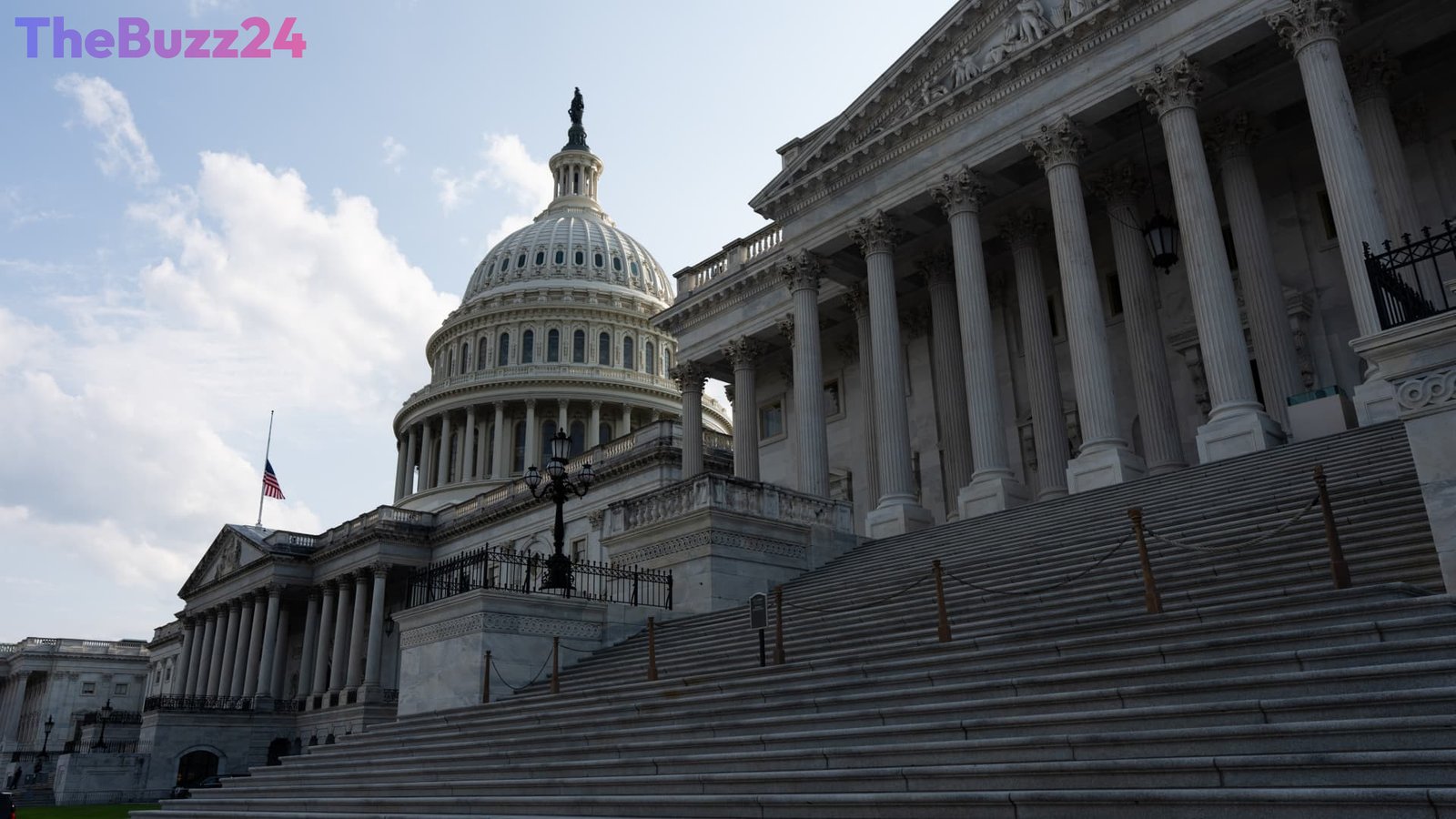
Senate Passes Stopgap Funding Bill, Averting Shutdown Ahead of Midterms
The U.S. Senate has approved a short-term funding bill, extending federal government operations until December 11 and successfully averting a potential shutdown just weeks before the crucial November midterm elections. This legislative action provides a temporary reprieve, ensuring federal agencies can continue their work without interruption during a critical pre-election period.
The Senate’s passage of the measure follows a similar vote by the Republican-controlled House of Representatives last month. Both chambers must now reconcile any differences in their respective funding proposals before President Donald Trump can sign the legislation into law. The current funding is set to expire on September 30, leaving a narrow window for agreement before the November 3 elections.
Key provisions in the Senate’s version of the bill have drawn attention from Democrats. Unlike the House’s proposal, the Senate’s measure reportedly includes language that would prevent the Trump administration from redirecting funds designated for other programs towards border security initiatives. Furthermore, it incorporates provisions that allow for necessary adjustments to funding for vital housing and food assistance programs, addressing concerns about the impact on vulnerable populations.
Another significant aspect of the Senate’s temporary funding bill is its aim to curb the influence of political appointees over federal grant money. The legislation seeks to temporarily block the White House Office of Management and Budget from enacting a new rule that would grant political appointees control over the allocation of hundreds of billions of dollars in grant funding, a move intended to safeguard the integrity of the grant process.
Key Takeaways
- The U.S. Senate passed a short-term funding bill to prevent a federal government shutdown.
- The bill extends funding through December 11, just weeks before the November midterm elections.
- The Senate's version includes provisions to limit the reallocation of funds for border security and block political control over grant money.
Editor’s Analysis & Impact
This stopgap funding measure highlights the ongoing political maneuvering in Washington as the midterm elections approach. By averting a shutdown, lawmakers have temporarily sidestepped a crisis that could have negatively impacted public perception and government functions. However, the need for multiple short-term extensions underscores the persistent challenges in achieving bipartisan consensus on longer-term fiscal matters. The specific provisions regarding border security funding and control over grant money indicate continued policy disagreements that will likely resurface in future budget negotiations, potentially influencing campaign narratives and post-election legislative priorities.
Frequently Asked Questions
Q: What is a short-term funding bill?
A: A short-term funding bill, also known as a continuing resolution (CR), is a piece of legislation that allows the federal government to continue operating at previous funding levels for a limited period when a new budget has not been passed. It prevents a government shutdown.
Q: Why is averting a government shutdown important before an election?
A: A government shutdown can disrupt essential services, furlough federal employees, and create economic uncertainty. Averting a shutdown before an election is crucial to avoid negative public perception and potential political fallout that could influence voters' decisions.
Q: What are the key differences mentioned between the House and Senate versions of the bill?
A: The Senate's version reportedly prevents the Trump administration from reallocating funds to border security from other programs and includes language for housing and food assistance adjustments. It also temporarily blocks the White House budget office from giving political appointees control over grant money, unlike the House version.
AI Disclosure: This article is based on verified data and official reports. Our Team and AI have cross-referenced every financial detail with primary sources to ensure total accuracy.
More from this Category